
Women's Health
How Irregular Cycles Affects Overall Health After 50
Menopause isn’t a single event—it’s a decades-long process.
Menopause isn’t a single event—it’s a decades-long process.

Imagine your cells as tiny factories, humming with precision until dawn.

Irregular sleep patterns don’t just leave you groggy—they rewrite your body’s blueprint.

In clinical practice, I’ve watched men dismantle their ambitions in increments so subtle they barely register.

Imagine losing inches around your waist, feeling more energetic, and noticing looser-fitting clothes—only to see the same number on the scale for weeks.

Imagine pushing through a workout with steady effort, heart rate hovering in that “sweet spot” of Zone 2.

Imagine eating a nutrient-dense meal, only to watch your body waste 30% of its potential because your food choices are out of sync.

Your body isn’t just reacting to illness.

Imagine burning 300 calories just by standing instead of sitting.

Every month, millions of women experience a wave of exhaustion that feels unrelated to their lifestyle, workloads, or sleep.
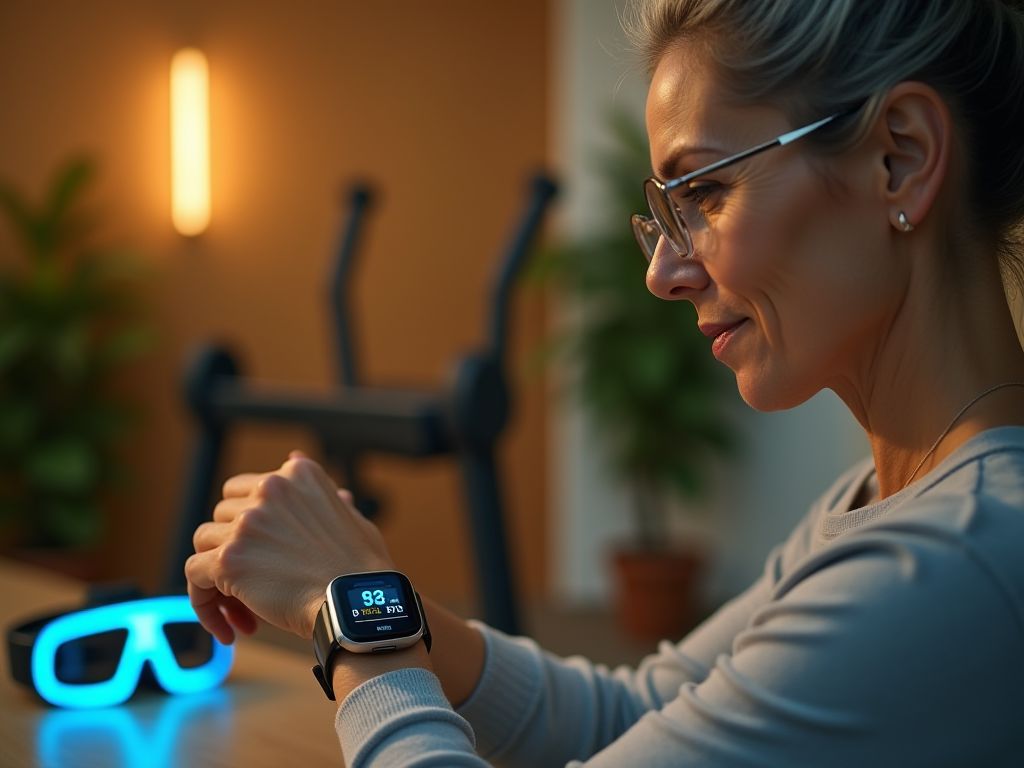
Imagine eating the same meals you’ve relied on for decades, only to wake up one day with unexplained fatigue, joint stiffness, or brain fog.

There’s a moment in the middle of a workday when your brain suddenly forgets how to function.

At 45, I watched a client collapse mid-sprint during a routine treadmill test.

You brush it off as stress.

For years, eccentric loading—the controlled lengthening of muscles during exercise—has been touted as a silver bullet for everything from muscle hypertrophy to injury prevention.

Every day, I see clients who eat clean, sweat through workouts, and yet their scale refuses to budge.

Irregular menstrual cycles are often dismissed as a quirk of biology, a "normal" part of life.

Imagine a neural highway running from your brainstem to your gut, regulating everything from heart rate to digestion.

You’ve just finished a 12-hour workday, but your mind feels like it’s been running on a treadmill for weeks.

At 35, I found myself slumped at my desk, 3 PM, staring at a spreadsheet while my brain felt like it was running on a 5% battery.
Hi! At CureCurious, we invest a lot in research to bring you the best health insights. Please consider disabling AdBlock to support our work.