Anti-Inflammatory Diet For Wellbeing
Published on December 13, 2025
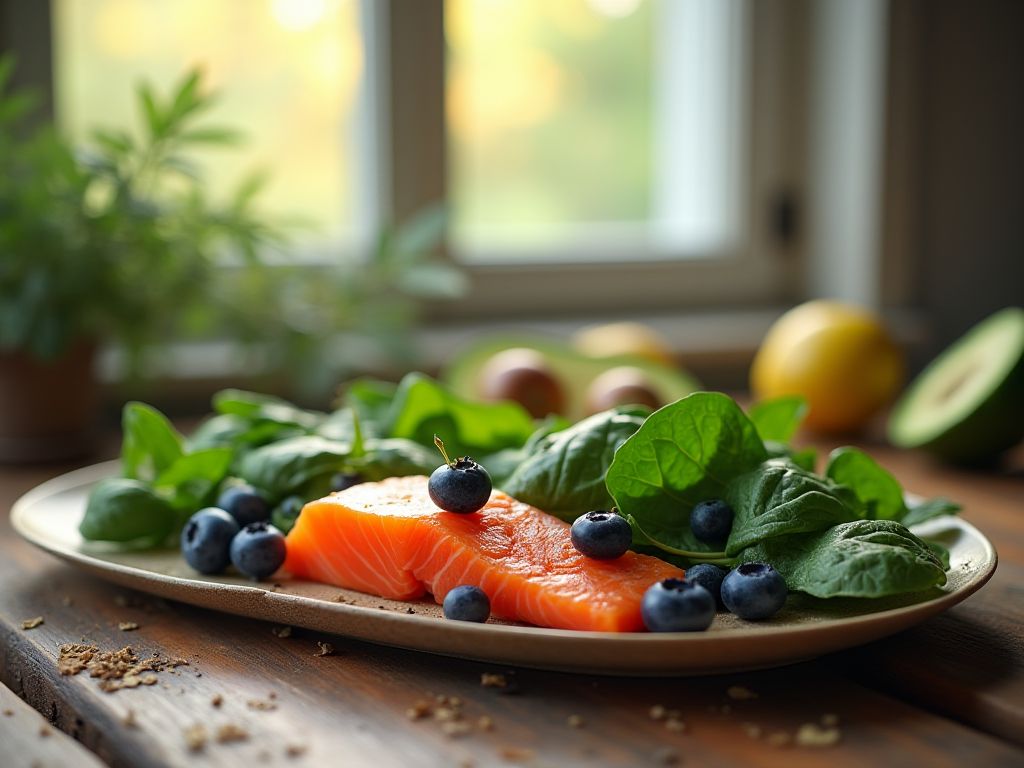
The Power of an Anti-Inflammatory Diet: A Science-Backed Path to Wellness
Chronic inflammation is a silent but significant contributor to a wide range of health issues, from heart disease and diabetes to autoimmune disorders and mental health challenges. While acute inflammation is a natural part of the body’s healing process, prolonged, low-grade inflammation can wreak havoc on your wellbeing. The good news? A well-planned anti-inflammatory diet can be a powerful tool to combat this hidden threat. In this article, we’ll explore the science behind inflammation, the foods that fuel it, and the strategies to build a diet that promotes healing and longevity.
1. Understanding Inflammation: The Body’s Double-Edged Sword
Inflammation is the body’s response to injury, infection, or stress. It involves immune cells, proteins, and chemical signals that work to repair tissue and fight off pathogens. However, when this process becomes chronic—lasting for weeks, months, or even years—it can damage healthy cells and tissues. Conditions like obesity, poor sleep, and a diet high in processed foods are linked to this persistent inflammation. Understanding this balance is key to leveraging diet as a therapeutic tool.
2. The Role of Diet in Inflammation
What you eat directly influences your body’s inflammatory response. Processed foods, refined sugars, and trans fats are known to trigger inflammation, while whole foods rich in antioxidants, fiber, and healthy fats can reduce it. Studies show that diets like the Mediterranean diet, which emphasizes fruits, vegetables, whole grains, and olive oil, are associated with lower levels of inflammation markers such as C-reactive protein (CRP).
3. Key Components of an Anti-Inflammatory Diet
- Fruits and vegetables: Packed with antioxidants and phytochemicals that neutralize free radicals. Berries, leafy greens, and tomatoes are particularly effective.
- Fatty fish: Rich in omega-3 fatty acids (EPA and DHA), which have potent anti-inflammatory properties. Examples include salmon, mackerel, and sardines.
- Nuts and seeds: Almonds, walnuts, and flaxseeds provide healthy fats, fiber, and antioxidants like vitamin E.
- Whole grains: Brown rice, quinoa, and oats are high in fiber and help regulate blood sugar, reducing inflammation.
- Herbs and spices: Turmeric (curcumin), garlic, and ginger have been shown to inhibit inflammatory pathways.
4. Foods to Avoid for an Anti-Inflammatory Diet
While adding anti-inflammatory foods is crucial, avoiding pro-inflammatory ones is equally important. These include:
- Processed meats (e.g., sausages, bacon) high in saturated fats and advanced glycation end products (AGEs).
- Refined carbohydrates (e.g., white bread, pastries) that spike blood sugar and insulin levels.
- Trans fats found in fried foods and margarine, which increase inflammation and heart disease risk.
- Excessive alcohol and sugary beverages, which contribute to oxidative stress and inflammation.
5. The Gut-Brain Connection: How Diet Influences Inflammation
The gut microbiome plays a pivotal role in regulating inflammation. A diet high in fiber from fruits, vegetables, and legumes feeds beneficial gut bacteria, which produce short-chain fatty acids (SCFAs) that modulate immune responses. Conversely, diets low in fiber and high in processed foods disrupt gut health, leading to increased inflammation and conditions like leaky gut syndrome.
6. Practical Tips for Building an Anti-Inflammatory Meal Plan
Creating a sustainable anti-inflammatory diet doesn’t require drastic changes. Start with these steps:
- Plan meals around colorful produce, ensuring variety in your intake of vitamins and minerals.
- Incorporate healthy fats like avocado, olive oil, and nuts into every meal.
- Limit red meat and opt for lean protein sources like poultry, legumes, and tofu.
- Stay hydrated with water and herbal teas, which help flush out toxins and reduce inflammation.
7. The Importance of Consistency and Moderation
Consistency is key when it comes to reaping the benefits of an anti-inflammatory diet. Even small, incremental changes—like swapping soda for water or adding a serving of leafy greens daily—can make a difference over time. It’s also important to avoid extreme restrictions, as this can lead to nutrient deficiencies and a less sustainable lifestyle.
8. How to Personalize Your Anti-Inflammatory Diet
Everyone’s nutritional needs are unique. Consider factors like allergies, dietary preferences, and lifestyle when tailoring your diet. For example:
- Vegetarians can focus on legumes, nuts, and fortified plant-based foods for omega-3s.
- People with food sensitivities may need to avoid gluten or dairy, depending on their individual triggers.
- Those with high stress levels may benefit from adaptogenic herbs like ashwagandha or rhodiola.
9. The Role of Physical Activity and Sleep in an Anti-Inflammatory Lifestyle
Diet is just one piece of the puzzle. Regular physical activity—such as walking, yoga, or strength training—helps reduce inflammation by improving circulation and reducing fat mass. Similarly, quality sleep (7–9 hours per night) is essential for regulating immune function and inflammation. Together, these habits create a synergistic effect for overall health.
10. Long-Term Benefits of an Anti-Inflammatory Diet
Adopting an anti-inflammatory diet can lead to profound long-term benefits, including:
- Reduced risk of chronic diseases like heart disease, type 2 diabetes, and certain cancers.
- Improved mental health, with studies linking anti-inflammatory diets to lower rates of depression and anxiety.
- Enhanced joint health and reduced symptoms in conditions like rheumatoid arthritis.
- Better weight management and increased energy levels.
Frequently Asked Questions
Q: How long does it take to see results from an anti-inflammatory diet?
A: Results vary, but many people report improvements in energy, digestion, and mood within a few weeks. For chronic conditions, it may take several months of consistent adherence.
Q: Is an anti-inflammatory diet expensive?
A: Not necessarily. Focus on seasonal, locally sourced produce and budget-friendly staples like beans, eggs, and frozen vegetables. Meal planning and buying in bulk can also help reduce costs.
Q: Can I follow an anti-inflammatory diet if I have a medical condition?
A: Yes, but it’s important to consult with a healthcare provider or registered dietitian to ensure your nutritional needs are met, especially if you have diabetes, autoimmune diseases, or other conditions.
Q: Do I need supplements to support an anti-inflammatory diet?
A: A well-balanced diet should provide most necessary nutrients. However, some people may benefit from supplements like omega-3s, vitamin D, or probiotics, depending on their individual needs and bloodwork results.
Conclusion: Take Control of Your Health with an Anti-Inflammatory Diet
An anti-inflammatory diet is more than just a trend—it’s a scientifically supported approach to improving your health and preventing disease. By making mindful choices about what you eat, you can reduce inflammation, enhance your body’s natural healing processes, and enjoy a more vibrant, energetic life. Start small, stay consistent, and remember: every bite you take is an opportunity to nourish your body and invest in your future wellbeing.
Scientific References & Medical Evidence
- "The Mediterranean diet and health: a comprehensive overview." (2021) View study on PubMed.gov →
- "Impact of intermittent fasting on health and disease processes." (2017) View study on PubMed.gov →
CureCurious verifies facts through peer-reviewed research.
You might also like


Recommended for your journey
We've handpicked this top-rated health tool to help you achieve the results discussed in this article.
Check Price on Amazon*As an Amazon Associate, CureCurious.com earns from qualifying purchases. This helps us keep our research free for everyone.

Written by Dr. Sarah Mitchell
Nutrition Expert & MD
"Dr. Sarah Mitchell is a board-certified nutritionist with over 15 years of experience in clinical dietetics. She specializes in metabolic health and gut microbiome research."