Anti-Inflammatory Diet: Meal Plan
Published on December 12, 2025
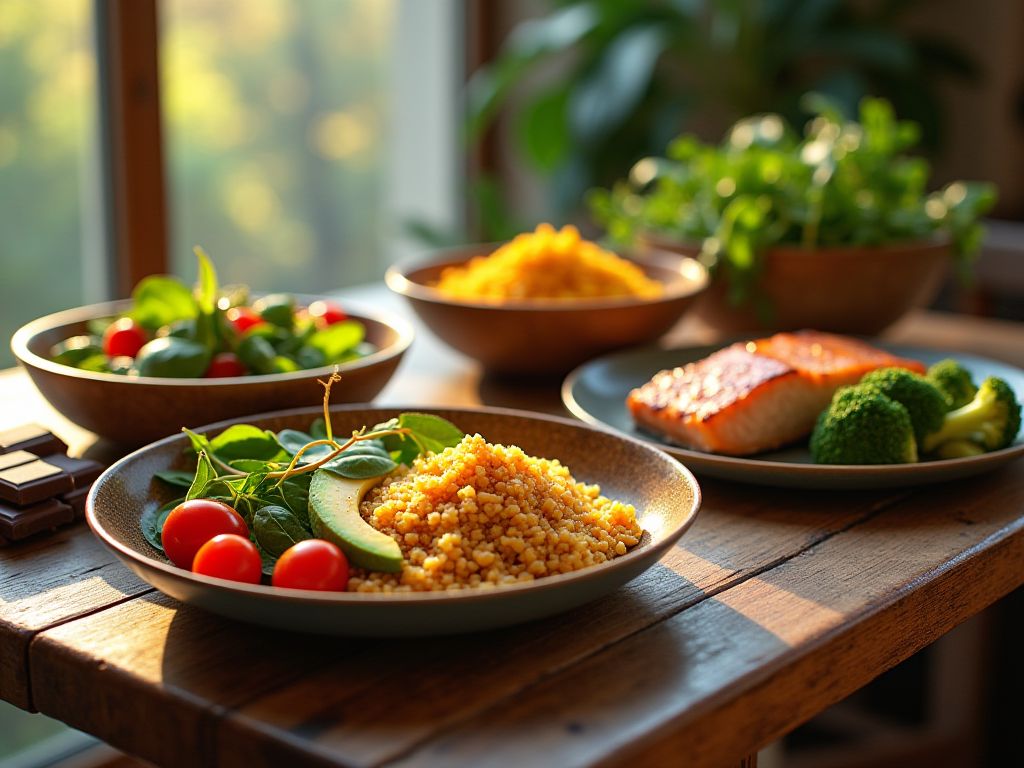
Anti-Inflammatory Diet Meal Plan: Fuel Your Body for Health and Longevity
Chronic inflammation is a silent culprit behind many modern health issues, from heart disease and diabetes to autoimmune disorders and cognitive decline. Fortunately, science has shown that what we eat plays a pivotal role in either fueling or quelling this inflammation. An anti-inflammatory diet is not a restrictive fad—it’s a sustainable, nutrient-dense approach that prioritizes whole foods, antioxidants, and healthy fats. In this article, we’ll break down how to design a meal plan that supports your body’s natural healing processes, backed by research and practical examples.
1. Understanding the Science Behind Anti-Inflammation
Inflammation is the body’s natural response to injury or infection. However, when it becomes chronic, it can damage tissues and organs. Foods rich in antioxidants, omega-3 fatty acids, and polyphenols help reduce oxidative stress and modulate inflammatory pathways. Key players include leafy greens, fatty fish, nuts, and spices like turmeric and ginger.
2. Key Principles of an Anti-Inflammatory Diet
- Emphasize whole, unprocessed foods. Avoid refined sugars, trans fats, and ultra-processed snacks.
- Boost intake of omega-3s. Found in salmon, chia seeds, and walnuts.
- Load up on antioxidants. Berries, dark leafy vegetables, and colorful fruits are powerhouses.
- Limit inflammatory triggers. Reduce red meat, fried foods, and excessive alcohol.
3. Sample Anti-Inflammatory Breakfast Ideas
Start your day with foods that combat inflammation and provide sustained energy. Examples include:
- Smoothie: Spinach, frozen berries, almond milk, and chia seeds.
- Oatmeal topped with walnuts, flaxseeds, and a drizzle of maple syrup.
- Scrambled eggs with avocado and a side of cherry tomatoes.
4. Anti-Inflammatory Lunch Recipes
Lunch should balance protein, healthy fats, and fiber. Try these options:
- Grilled salmon salad with quinoa, kale, and olive oil vinaigrette.
- Lentil soup with carrots, celery, and turmeric.
- Chickpea and spinach wrap in a whole-grain tortilla with hummus.
5. Dinner: Nourish Your Body with Anti-Inflammatory Flavors
Dinner should be hearty yet gentle on the body. Consider these meals:
- Baked sweet potato with black beans, spinach, and a sprinkle of nutritional yeast.
- Stir-fried tofu with broccoli, bell peppers, and ginger in tamari sauce.
- Grilled chicken with roasted Brussels sprouts and a side of brown rice.
6. Healthy Snacks to Keep Inflammation in Check
Snacks should be nutrient-dense and avoid spikes in blood sugar. Try:
- Raw almonds and apple slices with peanut butter.
- Carrot sticks with hummus or guacamole.
- Dark chocolate (70% cocoa or higher) paired with a handful of walnuts.
7. The Power of Hydration in an Anti-Inflammatory Diet
Staying hydrated is crucial for reducing inflammation. Water helps flush out toxins, while herbal teas like green tea and ginger tea provide additional anti-inflammatory benefits. Avoid sugary drinks and excessive caffeine.
8. Spices and Herbs That Supercharge Anti-Inflammation
Certain spices can transform meals into anti-inflammatory powerhouses. Incorporate:
- Turmeric (use with black pepper for better absorption).
- Ginger, garlic, and cumin for their antioxidant properties.
- Oregano, rosemary, and thyme for their phytochemical content.
9. Portion Control and Balanced Meals
Even healthy foods can contribute to inflammation if consumed in excess. Aim for balanced plates: 50% non-starchy vegetables, 25% lean protein, and 25% whole grains or healthy fats. This ensures you’re meeting your nutritional needs without overloading your body.
10. A 3-Day Anti-Inflammatory Meal Plan Example
Here’s a practical example to get you started:
Day 1
- Breakfast: Greek yogurt with blueberries and almonds.
- Lunch: Quinoa bowl with chickpeas, cucumbers, and tahini dressing.
- Dinner: Baked cod with asparagus and wild rice.
Day 2
- Breakfast: Chia pudding with mango and coconut milk.
- Lunch: Lentil and kale stew with a side of whole-grain bread.
- Dinner: Sautéed tempeh with broccoli and a tamari-ginger sauce.
Day 3
- Breakfast: Smoothie with spinach, banana, and flaxseeds.
- Lunch: Grilled chicken salad with avocado and olive oil.
- Dinner: Stir-fried shrimp with bell peppers and brown rice.
Frequently Asked Questions (FAQ)
Q1: How long should I follow an anti-inflammatory diet to see results?
A: Consistency is key. Many people notice improvements in energy, digestion, and joint health within 2–4 weeks. For chronic conditions, long-term adherence is recommended.
Q2: Can this diet work for people with food allergies or intolerances?
A: Yes, with modifications. Substitute allergens with similar anti-inflammatory foods (e.g., use almond milk instead of dairy). Always consult a healthcare provider for personalized guidance.
Q3: How can I stay motivated to stick with this diet?
A: Focus on how you feel—more energy, better mood, and improved digestion. Experiment with new recipes, and consider joining online communities for support.
Conclusion: Take Control of Your Health Through Food
An anti-inflammatory diet isn’t about deprivation—it’s about making smarter choices that nourish your body and mind. By incorporating whole foods, avoiding triggers, and embracing the power of flavor, you can create a meal plan that supports long-term health. Start small, stay consistent, and remember: every bite is an opportunity to heal. For personalized guidance, consult a registered dietitian or healthcare provider.
Scientific References & Medical Evidence
- "Randomization to 6-month Mediterranean diet compared with a low-fat diet leads to improvement in Dietary Inflammatory Index scores in patients with coronary heart disease: the AUSMED Heart Trial." (2018) View study on PubMed.gov →
CureCurious verifies facts through peer-reviewed research.
You might also like


Recommended for your journey
We've handpicked this top-rated health tool to help you achieve the results discussed in this article.
Check Price on Amazon*As an Amazon Associate, CureCurious.com earns from qualifying purchases. This helps us keep our research free for everyone.

Written by Dr. Sarah Mitchell
Nutrition Expert & MD
"Dr. Sarah Mitchell is a board-certified nutritionist with over 15 years of experience in clinical dietetics. She specializes in metabolic health and gut microbiome research."