Anxiety Reduction: At Home
Published on December 11, 2025
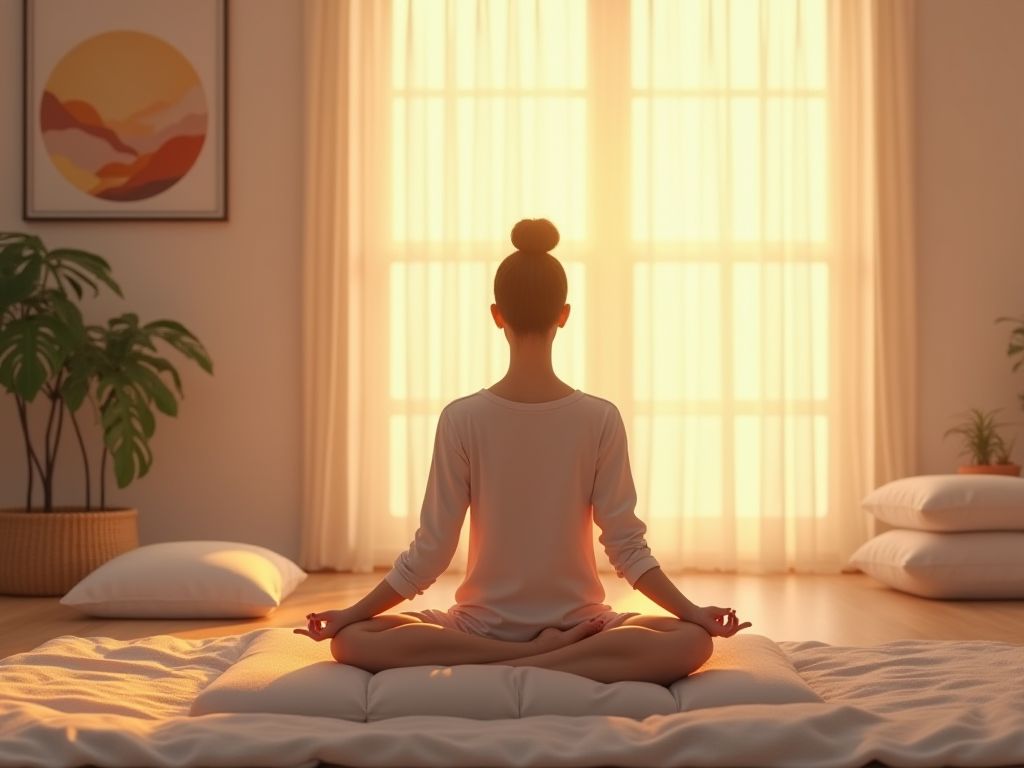
Managing Anxiety at Home: Science-Backed Strategies for Relief
Anxiety is a common experience, affecting millions of people worldwide. While professional help is invaluable, many effective techniques for reducing anxiety can be practiced at home. Whether you're dealing with occasional stress or chronic anxiety, creating a calming environment and adopting mindful habits can make a significant difference. Below, we explore 10 science-backed methods to help you manage anxiety from the comfort of your own space.
1. Practice Deep Breathing Techniques
Deep breathing activates the parasympathetic nervous system, which helps your body relax. Try the "4-7-8" method: inhale for 4 seconds, hold your breath for 7 seconds, and exhale slowly for 8 seconds. Repeat this cycle for 4-5 minutes. Studies show that this technique can reduce heart rate and lower cortisol levels, a hormone linked to stress.
Partner Content


2. Create a Calm Environment
Your surroundings can greatly influence your mental state. Use soft lighting, declutter your space, and incorporate calming scents like lavender or eucalyptus. Research from the Journal of Alternative and Complementary Medicine suggests that aromatherapy can reduce anxiety by up to 30% in some individuals.
3. Engage in Mindfulness or Meditation
Mindfulness meditation involves focusing on the present moment without judgment. Apps like Headspace or Calm offer guided sessions tailored for anxiety. A 2021 study in Psychoneuroendocrinology found that just 10 minutes of daily meditation can lower stress markers in the brain.
4. Physical Activity at Home
Exercise releases endorphins, which naturally improve mood. Simple activities like yoga, dancing, or even a 20-minute walk around your neighborhood can help. A review in Frontiers in Psychiatry highlights that regular physical activity reduces anxiety symptoms by up to 26%.
5. Maintain a Consistent Sleep Schedule
Poor sleep exacerbates anxiety. Aim for 7-9 hours of sleep each night, and avoid screens 1 hour before bedtime. The National Sleep Foundation notes that quality sleep strengthens emotional regulation and reduces anxiety sensitivity.
6. Adopt a Balanced Diet
Nutrition plays a key role in mental health. Foods rich in omega-3 fatty acids (like salmon), magnesium (such as spinach), and probiotics (found in yogurt) can support brain function and reduce anxiety. Avoid excessive caffeine and sugar, which can spike stress hormones.
7. Journaling for Emotional Release
Writing down your thoughts can help process emotions and identify anxiety triggers. A 2018 study in Journal of Experimental Psychology found that expressive writing reduces anxiety symptoms by improving emotional clarity and coping strategies.
8. Limit Exposure to Stressors
Reduce time spent on social media, news, or other sources that increase stress. Set boundaries for work emails and create "tech-free" zones in your home. A 2020 study in Computers in Human Behavior links excessive screen time to higher anxiety levels, especially in teens.
9. Grounding Techniques for Panic Attacks
When anxiety spikes, use the "5-4-3-2-1" grounding method: name 5 things you see, 4 things you feel, 3 things you hear, 2 things you smell, and 1 thing you taste. This technique, supported by cognitive-behavioral therapy (CBT), helps shift focus away from anxious thoughts.
10. Connect with Loved Ones
Social support is a powerful anxiety reducer. Even a phone call with a friend can lower stress levels. Research from the American Journal of Public Health shows that strong social connections reduce the risk of anxiety disorders by up to 50%.
Frequently Asked Questions (FAQ)
- How long does it take for these techniques to work?
Results vary, but consistency is key. Many people notice improvements within 2-4 weeks of regular practice.
- Can I manage anxiety without professional help?
Yes, for mild to moderate anxiety. However, if symptoms interfere with daily life, consult a healthcare provider.
- Are these methods effective for severe anxiety?
While helpful, severe anxiety often requires therapy or medication. These strategies can complement professional treatment.
- Can children benefit from these techniques?
Yes. Parents can model healthy habits, and simple breathing exercises are suitable for children aged 6 and older.
Conclusion: Small Steps, Big Impact
Reducing anxiety at home is achievable with the right tools and mindset. By integrating these strategies into your daily routine, you can build resilience and create a sanctuary of calm. Remember, progress takes time—be patient with yourself and celebrate small victories. You're not alone, and every step toward mental well-being is a step forward.
Scientific References & Medical Evidence
- "The quality of physiotherapy and rehabilitation program and the effect of telerehabilitation on patients with knee osteoarthritis." (2023) View study on PubMed.gov →
- "Effect of home-based prehabilitation on postoperative complications after surgery for gastric cancer: randomized clinical trial." (2023) View study on PubMed.gov →
CureCurious verifies facts through peer-reviewed research.
You might also like


Recommended for your journey
We've handpicked this top-rated health tool to help you achieve the results discussed in this article.
Check Price on Amazon*As an Amazon Associate, CureCurious.com earns from qualifying purchases. This helps us keep our research free for everyone.

Written by Dr. Sarah Mitchell
Nutrition Expert & MD
"Dr. Sarah Mitchell is a board-certified nutritionist with over 15 years of experience in clinical dietetics. She specializes in metabolic health and gut microbiome research."