Arterial Health For Over 60
Published on December 13, 2025
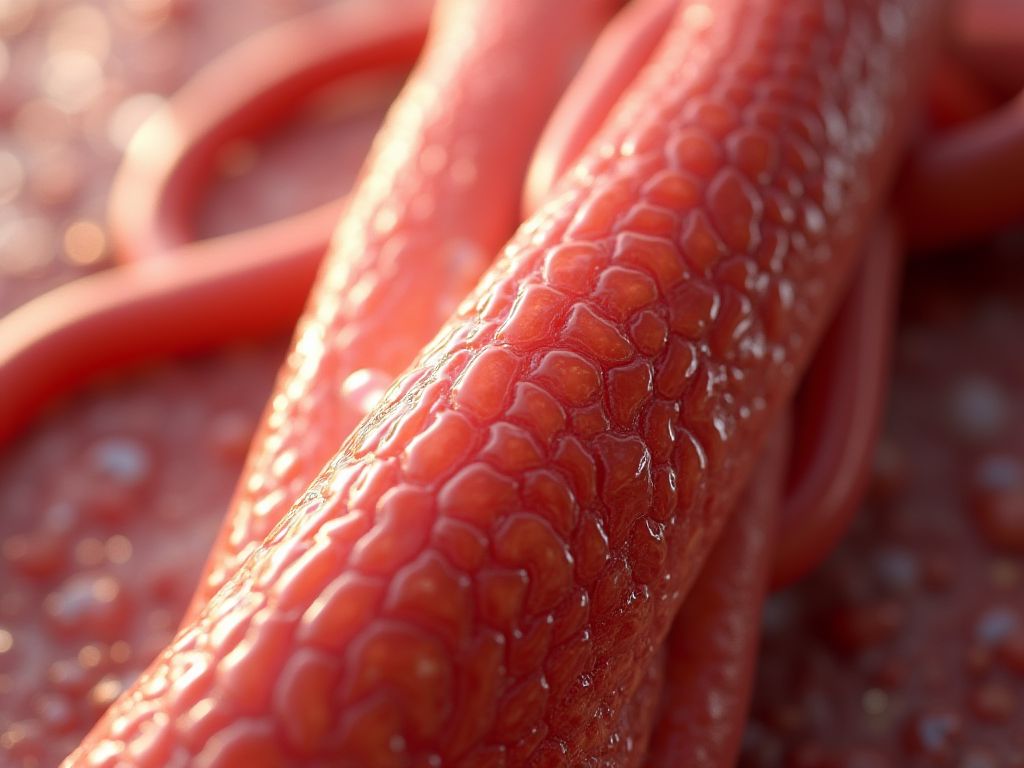
Understanding Arterial Health for Adults Over 60: A Guide to Maintaining Cardiovascular Well-Being
As we age, our arteries naturally undergo changes that can impact blood flow and overall health. For individuals over 60, maintaining arterial health is critical to reducing the risk of heart disease, stroke, and other serious conditions. Arteries, which carry oxygen-rich blood to the body, can become hardened or narrowed due to plaque buildup (atherosclerosis), inflammation, or other factors. This article explores evidence-based strategies to protect and improve arterial health in older adults.
1. What Are Arteries and Why Do They Matter?
Arteries are blood vessels that transport oxygen and nutrients from the heart to tissues throughout the body. Healthy arteries are flexible, allowing blood to flow smoothly. Over time, factors like high blood pressure, cholesterol, and inflammation can damage arterial walls, leading to stiffness or blockages. This can reduce blood flow to vital organs, including the heart, brain, and limbs.
Partner Content


2. Key Risk Factors for Arterial Damage in Older Adults
- High Blood Pressure: Chronic hypertension can weaken arterial walls and accelerate atherosclerosis.
- High Cholesterol: LDL ("bad") cholesterol contributes to plaque buildup in arteries.
- Smoking: Tobacco use damages endothelial cells and promotes inflammation.
- Diabetes: High blood sugar levels can harm blood vessels and increase oxidative stress.
- Obesity: Excess weight is linked to higher inflammation and metabolic dysfunction.
3. The Role of Diet in Arterial Health
A heart-healthy diet is one of the most powerful tools for protecting arteries. Focus on:
- Foods rich in omega-3 fatty acids (e.g., salmon, flaxseeds) to reduce inflammation.
- Fiber-rich options (e.g., oats, legumes) to lower cholesterol levels.
- Antioxidant-packed fruits and vegetables (e.g., berries, leafy greens) to combat oxidative stress.
- Limiting processed foods, trans fats, and excessive sodium to prevent hypertension.
4. Exercise: A Natural Arterial Booster
Regular physical activity improves arterial elasticity and circulation. For seniors, aim for:
- 150 minutes of moderate-intensity exercise (e.g., walking, swimming) per week.
- Strength training to improve metabolic health.
- Yoga or tai chi to reduce stress and enhance vascular function.
Exercise also helps manage weight, blood pressure, and cholesterol, all of which are linked to arterial health.
5. Managing Chronic Conditions
Control of underlying health issues is essential for arterial health:
- Work with a healthcare provider to maintain optimal blood pressure (target: < 130/80 mmHg for most seniors).
- Use medications (e.g., statins, ACE inhibitors) as prescribed to manage cholesterol and hypertension.
- Monitor blood sugar levels if diabetic, and follow a personalized care plan.
6. The Impact of Stress on Arteries
Chronic stress increases inflammation and raises blood pressure, both of which harm arteries. Stress-reduction strategies include:
- Mindfulness meditation or deep breathing exercises.
- Social engagement to combat loneliness and emotional strain.
- Sleep hygiene (7–9 hours per night) to support vascular recovery.
7. Supplements and Nutrients for Arterial Health
Some supplements may support arterial function, but always consult a healthcare provider before starting:
- Vitamin D: May improve endothelial function and reduce inflammation.
- Magnesium: Helps relax blood vessels and lower blood pressure.
- Coenzyme Q10 (CoQ10): May enhance mitochondrial function in arterial cells.
8. The Importance of Regular Medical Check-Ups
Early detection of arterial issues can prevent complications. Key tests include:
- Carotid Ultrasound: Detects plaque buildup in neck arteries.
- Ankle-Brachial Index (ABI): Assesses peripheral artery disease.
- Blood Tests: Monitor cholesterol, glucose, and inflammatory markers (e.g., C-reactive protein).
9. Can Arterial Damage Be Reversed?
While some arterial damage is irreversible, lifestyle changes can slow or even reverse early-stage atherosclerosis. Studies show that aggressive management of risk factors (e.g., quitting smoking, adopting a Mediterranean diet) can improve arterial stiffness and reduce plaque progression. In severe cases, medical interventions like angioplasty or stenting may be necessary.
10. Final Tips for Sustaining Arterial Health
- Stay hydrated to maintain blood viscosity and circulation.
- Avoid excessive alcohol consumption (< 1 drink/day for women, < 2 for men).
- Build a support network for emotional well-being and adherence to healthy habits.
Frequently Asked Questions (FAQ)
Q1: How can I tell if my arteries are healthy?
A: Symptoms like chest pain, leg cramps during activity, or cognitive changes may indicate arterial issues. However, many people have no symptoms until a serious event occurs. Regular medical screenings are the best way to assess arterial health.
Q2: Can arterial damage be reversed in seniors?
A: While some damage is permanent, lifestyle changes (e.g., diet, exercise, medication) can halt or slow progression. In early stages, plaque may even regress with intensive management.
Q3: How often should I get my arteries checked?
A: Adults over 60 should have annual check-ups for blood pressure, cholesterol, and blood sugar. Additional tests like ultrasounds may be recommended based on risk factors.
Conclusion
Maintaining arterial health after 60 is a lifelong commitment that requires a combination of lifestyle choices, medical care, and vigilance. By addressing risk factors, adopting heart-healthy habits, and working closely with healthcare providers, older adults can significantly reduce their risk of cardiovascular disease and enjoy a higher quality of life. Remember, small, consistent changes today can lead to major improvements in arterial health tomorrow.
Scientific References & Medical Evidence
- "Arterial Stiffness and Cardiovascular Risk in Hypertension." (2021) View study on PubMed.gov →
- "Arterial stiffness and vascular aging: mechanisms, prevention, and therapy." (2025) View study on PubMed.gov →
CureCurious verifies facts through peer-reviewed research.
You might also like


Recommended for your journey
We've handpicked this top-rated health tool to help you achieve the results discussed in this article.
Check Price on Amazon*As an Amazon Associate, CureCurious.com earns from qualifying purchases. This helps us keep our research free for everyone.

Written by Dr. Sarah Mitchell
Nutrition Expert & MD
"Dr. Sarah Mitchell is a board-certified nutritionist with over 15 years of experience in clinical dietetics. She specializes in metabolic health and gut microbiome research."