Ashwagandha Extract: Safety Considerations
Published on December 14, 2025
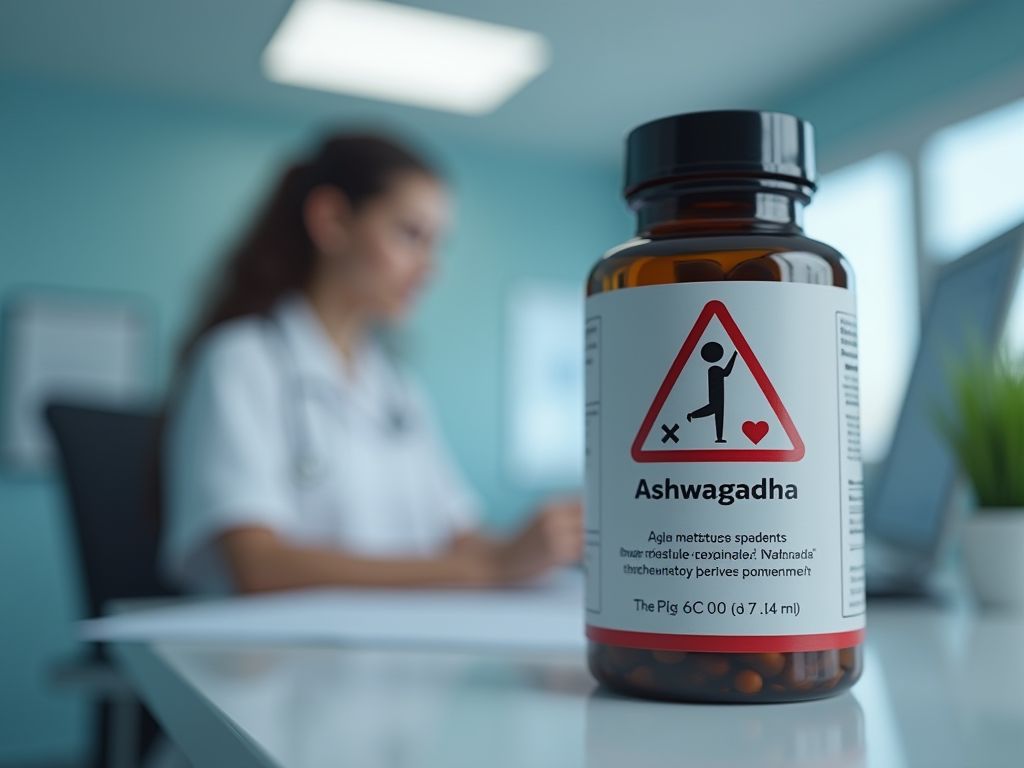
Understanding Ashwagandha Extract: Safety Considerations
Ashwagandha (Withania somnifera), a staple in Ayurvedic medicine, has gained global attention for its adaptogenic properties, stress-reducing effects, and potential benefits for cognitive function and immunity. However, as with any supplement, safety must be a priority. This article explores the science-backed considerations for using ashwagandha extract, ensuring informed and responsible use.
1. What Is Ashwagandha Extract?
Ashwagandha extract is derived from the root and berry of the Withania somnifera plant. It contains bioactive compounds like withanolides, which are believed to contribute to its therapeutic effects. Common forms include powders, capsules, and tinctures, often standardized to contain specific concentrations of active ingredients.
Partner Content


2. General Safety Profile
Studies suggest that ashwagandha extract is generally well-tolerated in healthy adults when taken in recommended doses. However, individual responses can vary, and adverse effects are more likely with excessive use or in individuals with preexisting conditions.
3. Dosage and Potential Side Effects
Recommended dosages typically range from 250–500 mg of standardized extract per day. Common mild side effects may include:
- Upset stomach
- Diarrhea
- Headaches
These are usually temporary and resolve with reduced dosage or discontinuation. Always follow manufacturer guidelines and consult a healthcare provider.
4. Drug Interactions
Ashwagandha may interact with certain medications, including:
- Thyroid medications: It may affect thyroid hormone levels, requiring monitoring.
- Immunosuppressants: Its immune-modulating properties could interfere with these drugs.
- Blood pressure medications: It may lower blood pressure, enhancing the effects of antihypertensives.
Discuss potential interactions with a healthcare professional before starting ashwagandha.
5. Pregnancy and Breastfeeding
There is limited human data on ashwagandha’s safety during pregnancy or breastfeeding. Animal studies suggest it may have abortifacient properties, so it is generally advised to avoid ashwagandha during these periods unless under medical supervision.
6. Children and Adolescents
Research on ashwagandha’s safety in children is scarce. It is not recommended for minors without a healthcare provider’s guidance, as its effects on developing bodies are not fully understood.
7. Long-Term Use
While short-term use is well-tolerated, long-term safety data is limited. Prolonged use may lead to gastrointestinal discomfort or changes in hormone levels. Regular check-ups with a healthcare provider are advisable for those using ashwagandha over extended periods.
8. Allergies and Sensitivities
Individuals with allergies to plants in the nightshade family (Solanaceae) should exercise caution, as ashwagandha belongs to this group. Symptoms like rash, itching, or swelling may indicate an allergic reaction, requiring immediate discontinuation and medical attention.
9. Quality and Contamination Risks
Not all ashwagandha supplements are created equal. Poor-quality products may contain heavy metals, pesticides, or adulterants. To mitigate risks:
- Choose products certified by third-party organizations (e.g., NSF, Informed-Supplements).
- Look for standardized extracts with clear labeling of active ingredients.
10. Mental Health Considerations
Ashwagandha may influence neurotransmitter activity, potentially affecting mood or anxiety levels. Individuals with bipolar disorder or other psychiatric conditions should consult a mental health professional before use, as it may exacerbate symptoms in rare cases.
Frequently Asked Questions (FAQ)
Q: Is ashwagandha safe to take daily?
A: Yes, in recommended doses, but it’s important to monitor for side effects and consult a healthcare provider for personalized advice.
Q: Can ashwagandha interact with caffeine?
A: There is no strong evidence of direct interaction, but caffeine’s stimulant effects may amplify ashwagandha’s impact on the nervous system. Moderation is key.
Q: How can I determine if ashwagandha is safe for me?
A: Consult a healthcare provider, especially if you have chronic conditions, are pregnant, or take medications. They can assess potential risks and benefits.
Conclusion
Ashwagandha extract offers numerous health benefits, but its safety depends on proper use, individual health status, and quality of the product. By understanding potential risks, avoiding interactions, and prioritizing reputable sources, users can harness its benefits responsibly. Always seek professional guidance to ensure safe and effective supplementation.
Scientific References & Medical Evidence
- "Effect of Ashwagandha (Withania somnifera) extract on sleep: A systematic review and meta-analysis." (2021) View study on PubMed.gov →
- "Pharmacological evaluation of Ashwagandha highlighting its healthcare claims, safety, and toxicity aspects." (2021) View study on PubMed.gov →
CureCurious verifies facts through peer-reviewed research.
You might also like


Recommended for your journey
We've handpicked this top-rated health tool to help you achieve the results discussed in this article.
Check Price on Amazon*As an Amazon Associate, CureCurious.com earns from qualifying purchases. This helps us keep our research free for everyone.

Written by CureCurious Team
Editorial Team
"Our editorial team consists of passionate health researchers dedicated to bringing you the latest science-backed wellness news."