Belly Fat Reduction: Meal Plan
Published on December 13, 2025
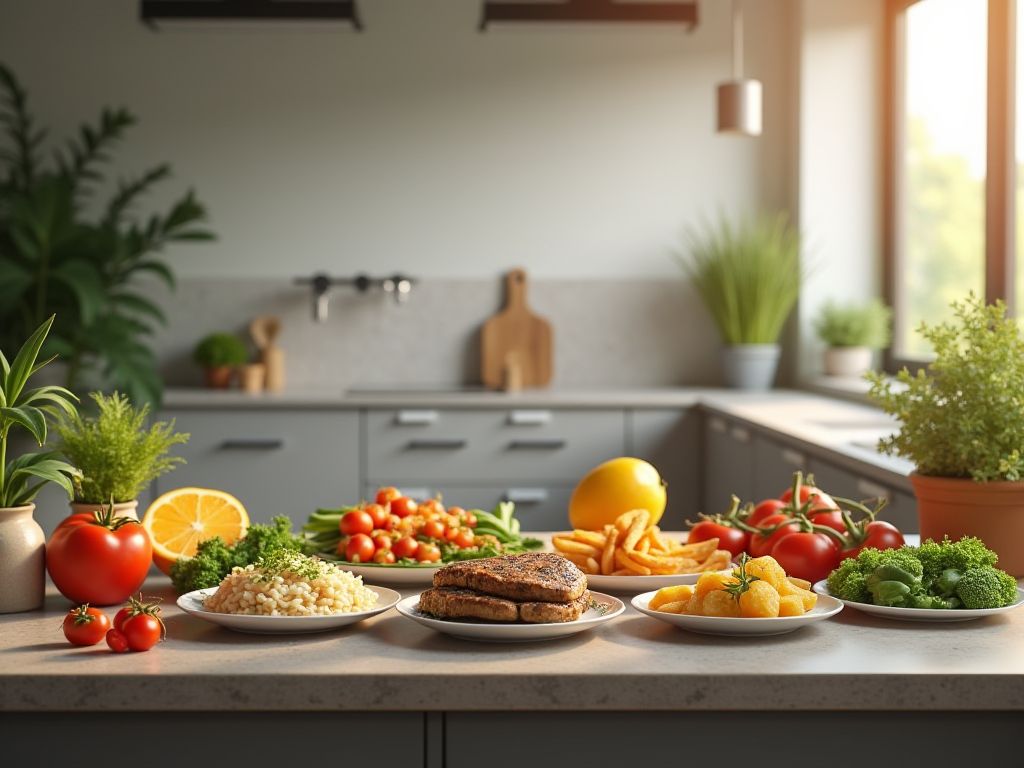
Understanding Belly Fat and the Role of Nutrition
Belly fat, particularly visceral fat, is more than a cosmetic concern—it’s a health risk linked to heart disease, diabetes, and metabolic syndrome. While exercise plays a role in fat loss, nutrition is the cornerstone of reducing belly fat. A well-structured meal plan can help create a calorie deficit, improve metabolic health, and target stubborn fat deposits. This article provides a science-backed, 10-step meal plan to reduce belly fat effectively.
1. Focus on Whole, Unprocessed Foods
Processed foods are loaded with refined sugars, unhealthy fats, and additives that promote inflammation and fat storage. Prioritize whole foods like vegetables, fruits, lean proteins, and whole grains. These foods are rich in nutrients, fiber, and antioxidants that support fat loss and overall health.
2. Prioritize Protein for Satiety and Metabolism
Protein is essential for preserving muscle mass during weight loss and boosting metabolism. Aim for 25–30% of daily calories from high-quality protein sources like eggs, fish, poultry, legumes, and plant-based proteins. Protein also increases satiety, reducing cravings and overeating.
3. Incorporate Healthy Fats
Contrary to myths, healthy fats like avocados, nuts, seeds, and olive oil are crucial for hormone regulation and satiety. They help reduce inflammation and improve insulin sensitivity, both of which are linked to belly fat reduction.
4. Load Up on Fiber-Rich Foods
Fiber aids digestion, promotes fullness, and helps regulate blood sugar levels. Foods like oats, chia seeds, flaxseeds, and leafy greens are excellent sources. Soluble fiber, found in foods like apples and lentils, can also reduce visceral fat by binding to cholesterol and removing it from the body.
5. Control Carbohydrate Intake
Refined carbohydrates (e.g., white bread, sugary snacks) spike insulin levels, leading to fat storage. Replace them with complex carbs like quinoa, sweet potatoes, and brown rice. These provide sustained energy and prevent blood sugar crashes that trigger cravings.
6. Stay Hydrated
Drinking enough water supports metabolism and reduces bloating. Aim for at least 2–3 liters daily. Water also helps control appetite, as thirst is often mistaken for hunger. Herbal teas and water-rich foods like cucumbers and watermelon can contribute to hydration.
7. Time Your Meals Strategically
Intermittent fasting (e.g., 16:8 or 5:2 protocols) can enhance fat burning by extending the body’s calorie-burning state. However, it’s not for everyone. Consult a healthcare provider before starting fasting. For non-fasters, eating 3–5 balanced meals daily with 3–4 hour gaps between meals helps regulate insulin levels.
8. Limit Added Sugars and Alcohol
Added sugars and alcohol are major contributors to belly fat. Alcohol increases estrogen levels in women and disrupts liver function, while sugars flood the body with insulin, promoting fat storage. Opt for natural sweeteners like stevia or monk fruit in moderation.
9. Use Spices and Herbs for Fat Loss
Certain spices like cinnamon, turmeric, and cayenne pepper can boost metabolism and reduce inflammation. Incorporating them into meals not only enhances flavor but also supports fat loss. For example, adding turmeric to smoothies or using cinnamon in oatmeal can be beneficial.
10. Plan Balanced Meals and Snacks
Each meal should include a mix of protein, healthy fats, and fiber-rich carbs. For example, a breakfast of Greek yogurt with berries and nuts provides protein, antioxidants, and healthy fats. Snacks like apple slices with peanut butter or a handful of almonds keep energy levels stable and prevent overeating.
Frequently Asked Questions
- How long does it take to see results?
Consistent adherence to a healthy meal plan can lead to visible reductions in belly fat within 8–12 weeks, though individual results vary based on genetics, activity level, and sleep.
- Can I eat carbohydrates and still lose belly fat?
Yes, but focus on complex carbs and avoid refined grains. Carbohydrates are essential for energy and hormone balance when consumed in moderation.
- Are supplements necessary?
Not for most people. A well-rounded meal plan typically provides all necessary nutrients. Consult a healthcare provider before taking supplements.
- What about exercise?
While this article focuses on nutrition, combining a healthy meal plan with strength training and cardio (e.g., HIIT) accelerates fat loss and improves overall health.
Sample 3-Day Belly Fat Reduction Meal Plan
Day 1:
- Breakfast: Scrambled eggs with spinach, avocado, and whole-grain toast.
- Lunch: Grilled chicken salad with quinoa, cherry tomatoes, and olive oil dressing.
- Dinner: Baked salmon with steamed broccoli and sweet potato.
- Snack: Cottage cheese with blueberries and a handful of almonds.
Day 2:
- Breakfast: Greek yogurt with chia seeds, flaxseeds, and a drizzle of honey.
- Lunch: Lentil soup with a side of mixed greens and walnuts.
- Dinner: Stir-fried tofu with brown rice and kale.
- Snack: Carrot sticks with hummus.
Day 3:
- Breakfast: Oatmeal topped with sliced bananas, walnuts, and a sprinkle of cinnamon.
- Lunch: Turkey wrap with whole-wheat tortilla, spinach, and mustard.
- Dinner: Grilled shrimp with a quinoa and vegetable medley.
- Snack: A smoothie made with spinach, protein powder, and almond milk.
Conclusion: Sustainable Habits for Long-Term Success
Reducing belly fat requires a holistic approach that combines nutrition, lifestyle, and mindset. This meal plan emphasizes whole foods, balanced macronutrients, and mindful eating to create a sustainable path to fat loss. Remember, consistency and patience are key—small, gradual changes yield lasting results. By prioritizing nourishing foods and avoiding processed temptations, you’ll not only shrink your waistline but also boost your overall health and vitality.
Scientific References & Medical Evidence
- "Dietary Strategies for Metabolic Syndrome: A Comprehensive Review." (2020) View study on PubMed.gov →
- "Combination of exercise and GLP-1 receptor agonist treatment reduces severity of metabolic syndrome, abdominal obesity, and inflammation: a randomized controlled trial." (2023) View study on PubMed.gov →
CureCurious verifies facts through peer-reviewed research.
You might also like


Recommended for your journey
We've handpicked this top-rated health tool to help you achieve the results discussed in this article.
Check Price on Amazon*As an Amazon Associate, CureCurious.com earns from qualifying purchases. This helps us keep our research free for everyone.

Written by Dr. Sarah Mitchell
Nutrition Expert & MD
"Dr. Sarah Mitchell is a board-certified nutritionist with over 15 years of experience in clinical dietetics. She specializes in metabolic health and gut microbiome research."