Best Healthy Meal Prep For Over 30
Published on December 14, 2025
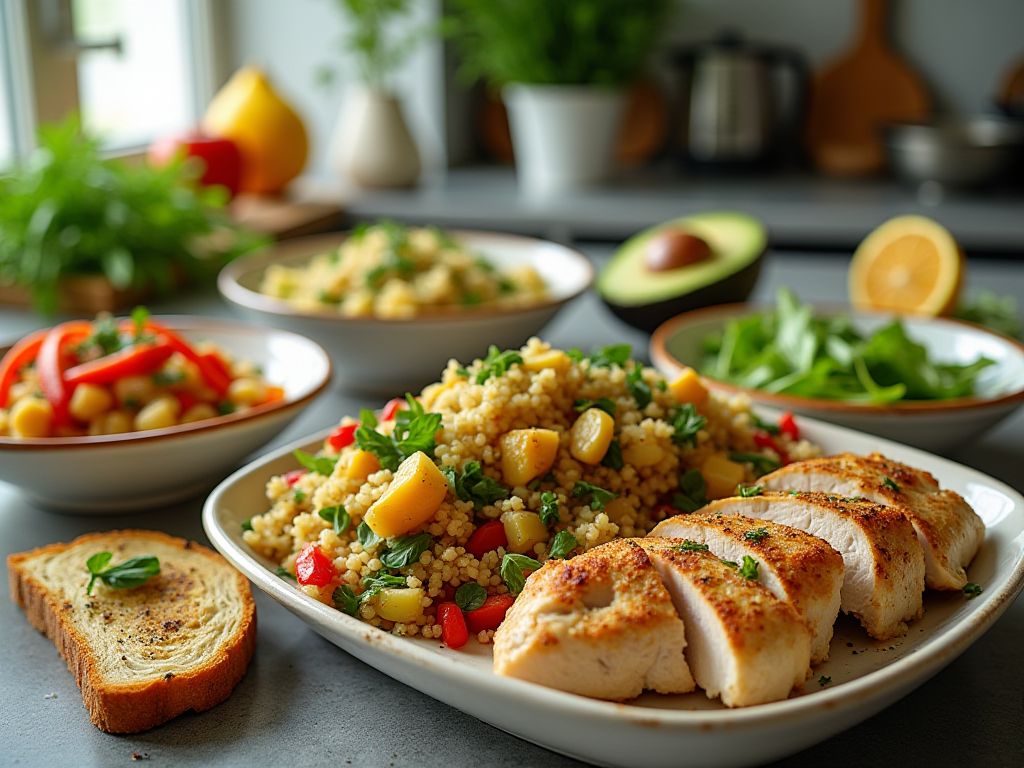
Why Healthy Meal Prep Matters for Adults Over 30
As we age, our bodies undergo changes that make maintaining a healthy lifestyle more complex. For adults over 30, meal prep becomes a powerful tool to combat declining metabolism, support joint health, and manage energy levels. With busy schedules and shifting priorities, planning nutritious meals in advance can simplify daily routines while ensuring long-term well-being. This article explores science-backed strategies for creating balanced, delicious, and sustainable meal plans tailored to this age group.
1. Prioritize Nutrient-Dense Foods
Focus on whole, unprocessed foods rich in vitamins, minerals, and antioxidants. Include:
- Fruits and vegetables (especially leafy greens, berries, and cruciferous vegetables)
- Lean proteins (fish, poultry, legumes, tofu)
- Whole grains (quinoa, brown rice, oats)
- Healthy fats (avocados, nuts, olive oil, fatty fish like salmon)
Partner Content


2. Balance Macronutrients for Sustained Energy
Aim for a 40-30-30 split of carbs, protein, and fats:
- Complex carbs (sweet potatoes, whole grains) for steady energy
- Protein (eggs, Greek yogurt, lean meats) to preserve muscle
- Healthy fats (nuts, seeds, olive oil) for brain health and satiety
3. Incorporate Anti-Inflammatory Ingredients
Chronic inflammation increases with age, contributing to conditions like arthritis and heart disease. Add:
- Omega-3-rich foods (chia seeds, flaxseeds, walnuts)
- Spices like turmeric, ginger, and garlic
- Dark leafy greens (spinach, kale) and berries
4. Master Portion Control
As metabolism slows, overeating can lead to weight gain. Use:
- Smaller plates to visually manage portions
- Measuring cups for precise serving sizes
- Pre-portioned snacks (nuts, seeds, cut-up veggies)
5. Plan for Time Efficiency
Busy lifestyles demand smart planning. Tips include:
- Batch cooking (e.g., making a large pot of soup or grilled chicken)
- Using a slow cooker or Instant Pot for hands-off meals
- Preparing meals on Sundays for the week
6. Address Common Health Concerns
Meal prep can target age-related issues like:
- Joint health: Include calcium and vitamin D (dairy, fortified plant-based milks)
- Bone density: Add leafy greens, tofu, and fatty fish
- Heart health: Limit sodium, choose unsaturated fats, and include fiber-rich foods
7. Stay Hydrated with Smart Choices
Dehydration becomes more common with age, impacting energy and cognitive function.
- Drink water throughout the day (aim for 2.5–3 liters daily)
- Infuse water with cucumber, lemon, or mint for flavor
- Limit sugary drinks and excessive caffeine
8. Use Flavorful, Healthy Seasonings
Enhance meals without added salt or sugar:
- Herbs (basil, cilantro, parsley) for freshness
- Spices (paprika, cumin, cinnamon) for depth of flavor
- Vinegars (apple cider, balsamic) for tanginess
9. Create a Sample Weekly Meal Plan
Here’s a 7-day example:
- Breakfast: Greek yogurt with berries and chia seeds
- Lunch: Quinoa salad with chickpeas, spinach, and tahini dressing
- Dinner: Baked salmon with roasted Brussels sprouts and sweet potato
- Snacks: Hummus with carrots, almonds, or a hard-boiled egg
10. Stay Motivated with These Tips
Keeping meal prep consistent requires:
- Setting realistic goals (e.g., prepping 3 meals a day, not all 7)
- Keeping a food journal to track progress
- Experimenting with new recipes to avoid boredom
- Sharing meals with family or friends for accountability
Frequently Asked Questions
Q: How can I make meal prep faster?
A: Use pre-cut vegetables, frozen proteins, and invest in quality kitchen tools like a food processor or air fryer.
Q: Can I meal prep for dietary restrictions?
A: Absolutely. Tailor recipes to eliminate gluten, dairy, or other allergens while maintaining nutritional balance.
Q: Is meal prep expensive?
A: Not necessarily. Buying in bulk, choosing seasonal produce, and minimizing food waste can keep costs low.
Q: How do I avoid boredom with the same meals?
A: Rotate proteins, vegetables, and spices regularly. Try global cuisines like Mediterranean, Thai, or Mexican for variety.
Conclusion: Embrace the Power of Meal Prep
Healthy meal prep is more than a time-saving tactic—it’s a cornerstone of long-term wellness for adults over 30. By focusing on nutrient density, balance, and practicality, you can build habits that support physical and mental health for years to come. Start small, stay consistent, and remember: every healthy choice you make today invests in your future self.
Scientific References & Medical Evidence
- "Nutritional Imbalances in Adult Celiac Patients Following a Gluten-Free Diet." (2021) View study on PubMed.gov →
- "Effectiveness of an intermittent fasting diet versus regular diet on fat loss in overweight and obese middle-aged and elderly people without metabolic disease: a systematic review and meta-analysis of randomized controlled trials." (2024) View study on PubMed.gov →
CureCurious verifies facts through peer-reviewed research.
You might also like


Recommended for your journey
We've handpicked this top-rated health tool to help you achieve the results discussed in this article.
Check Price on Amazon*As an Amazon Associate, CureCurious.com earns from qualifying purchases. This helps us keep our research free for everyone.

Written by Dr. Sarah Mitchell
Nutrition Expert & MD
"Dr. Sarah Mitchell is a board-certified nutritionist with over 15 years of experience in clinical dietetics. She specializes in metabolic health and gut microbiome research."