Best Heart Disease Prevention With Dietary Adjustments
Published on December 12, 2025
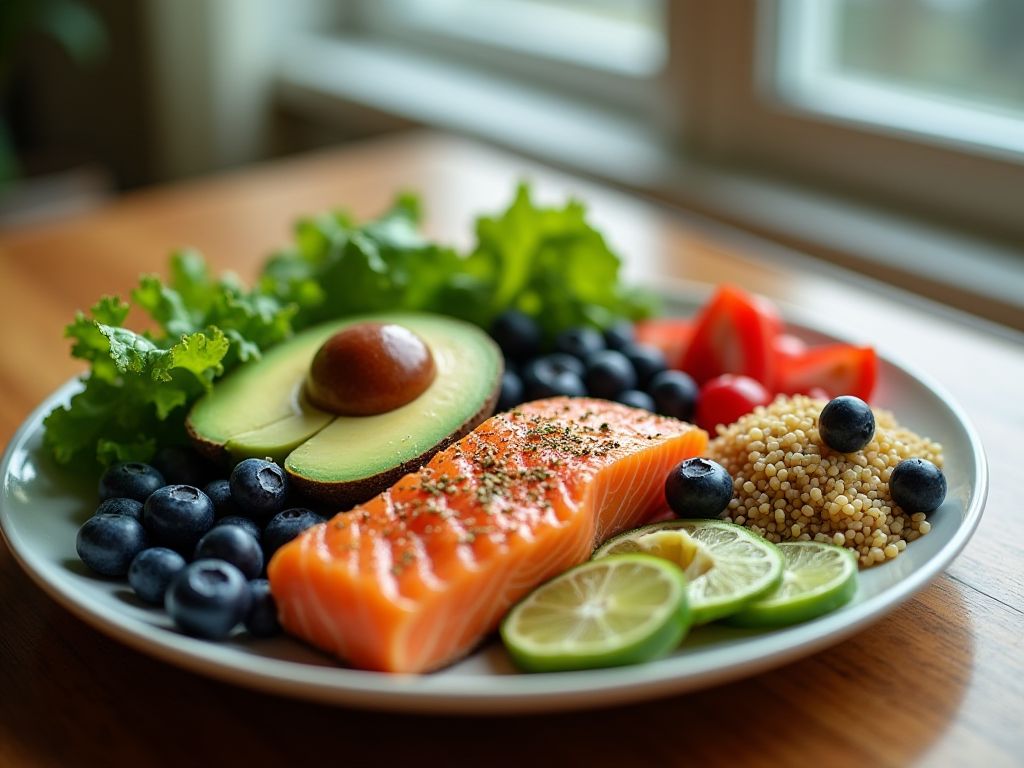
Heart Disease Prevention: The Power of Dietary Adjustments
Heart disease remains the leading cause of death globally, but the good news is that up to 80% of premature heart disease is preventable through lifestyle changes, with diet playing a pivotal role. By making science-backed dietary adjustments, you can significantly reduce your risk of heart disease, improve cholesterol levels, lower blood pressure, and enhance overall cardiovascular health. This article explores evidence-based strategies to transform your diet into a powerful tool for heart protection.
1. Prioritize Omega-3 Fatty Acids
Omega-3 fatty acids, found in fatty fish like salmon, mackerel, and sardines, are renowned for their anti-inflammatory and heart-protective properties. Studies show they can reduce triglycerides, lower blood pressure, and decrease the risk of arrhythmias. Aim for at least two servings of fatty fish weekly, or consider a high-quality fish oil supplement if dietary intake is insufficient.
2. Increase Fiber Intake
Fiber, particularly soluble fiber, helps lower LDL ("bad") cholesterol and improve heart health. Foods like oats, barley, legumes, and fruits such as apples and pears are excellent sources. A 2023 study in BMJ found that high-fiber diets can reduce the risk of heart disease by up to 27%. Aim for 25–30 grams of fiber daily.
3. Limit Sodium Intake
Excess sodium is a major contributor to hypertension, a key risk factor for heart disease. The American Heart Association recommends no more than 2,300 mg of sodium per day, with an ideal limit of 1,500 mg for those at higher risk. Reduce processed foods, use herbs and spices instead of salt, and read nutrition labels carefully.
4. Replace Saturated Fats with Unsaturated Fats
Saturated fats (found in red meat and full-fat dairy) raise LDL cholesterol, while unsaturated fats (in nuts, seeds, and olive oil) lower it. A 2022 meta-analysis in Heart showed replacing saturated fats with unsaturated fats can reduce heart disease risk by 15%. Choose olive oil over butter and opt for lean protein sources.
5. Avoid Trans Fats
Trans fats, commonly found in fried foods and processed snacks, are among the most harmful fats for the heart. They increase LDL cholesterol and decrease HDL ("good") cholesterol. Check ingredient lists for "partially hydrogenated oils" and avoid foods containing these additives.
6. Incorporate Antioxidant-Rich Foods
Antioxidants combat oxidative stress, a contributor to atherosclerosis. Berries, dark chocolate, leafy greens, and nuts are rich in antioxidants like flavonoids and vitamin E. A 2021 study linked high antioxidant intake to a 30% lower risk of heart disease. Aim for a colorful plate with diverse plant-based foods.
7. Emphasize Whole Grains
Whole grains like brown rice, quinoa, and whole wheat provide fiber, vitamins, and minerals that support heart health. Refined grains (white bread, pasta) lack these benefits and can spike blood sugar. Choose whole grain products over refined ones to reduce inflammation and improve cholesterol levels.
8. Boost Legume Consumption
Legumes (beans, lentils, chickpeas) are packed with fiber, protein, and heart-healthy nutrients. They help lower cholesterol and improve blood vessel function. A 2023 review in Nutrition Reviews found that consuming legumes at least three times weekly can reduce heart disease risk by 20%. Try adding them to soups, salads, or stews.
9. Limit Added Sugars
Excessive sugar intake is linked to obesity, diabetes, and heart disease. Added sugars in soda, candy, and baked goods can increase triglycerides and inflammation. The WHO recommends limiting added sugars to less than 6 teaspoons (25g) per day. Opt for natural sweeteners like fruit or cinnamon instead.
10. Practice Portion Control
Overeating, even healthy foods, can lead to weight gain and heart strain. Use smaller plates, measure portions, and listen to hunger cues. A 2022 study in Journal of the American College of Cardiology showed that portion control combined with a balanced diet can reduce heart disease risk by 25% over five years.
Frequently Asked Questions (FAQ)
- Q: Can a plant-based diet prevent heart disease?
A: Yes. Plant-based diets rich in fruits, vegetables, whole grains, and legumes are associated with lower rates of heart disease. A 2023 study in Circulation found that vegetarians had a 25% lower risk of heart disease compared to non-vegetarians.
- Q: How much sodium is safe for heart health?
A: The American Heart Association recommends no more than 1,500 mg of sodium per day for those with hypertension or heart disease. For the general population, aim for 2,300 mg or less.
- Q: Are all fats bad for the heart?
A: No. Healthy fats like monounsaturated and polyunsaturated fats (found in avocados, nuts, and olive oil) support heart health. Avoid trans fats and limit saturated fats from animal products.
- Q: Can alcohol consumption affect heart health?
A: Moderate alcohol intake (up to one drink per day for women, two for men) may slightly raise HDL cholesterol. However, excessive drinking increases heart disease risk. It’s best to avoid alcohol if you have a history of heart issues.
Conclusion: Small Changes, Lifesaving Results
Preventing heart disease doesn’t require drastic overhauls—it starts with consistent, science-backed dietary choices. By prioritizing heart-healthy foods, limiting harmful nutrients, and adopting mindful eating habits, you can significantly reduce your risk of heart disease. Remember, every meal is an opportunity to nourish your heart. Start today, and take control of your cardiovascular health for a longer, healthier life.
Scientific References & Medical Evidence
- "Mediterranean Diet Effects on Type 2 Diabetes Prevention, Disease Progression, and Related Mechanisms. A Review." (2020) View study on PubMed.gov →
- "Plant Based Diet and Its Effect on Cardiovascular Disease." (2023) View study on PubMed.gov →
CureCurious verifies facts through peer-reviewed research.
Recommended for your journey
We've handpicked this top-rated health tool to help you achieve the results discussed in this article.
Check Price on Amazon*As an Amazon Associate, CureCurious.com earns from qualifying purchases. This helps us keep our research free for everyone.

Written by Dr. Sarah Mitchell
Nutrition Expert & MD
"Dr. Sarah Mitchell is a board-certified nutritionist with over 15 years of experience in clinical dietetics. She specializes in metabolic health and gut microbiome research."