Best Turmeric Curcumin For Over 30 With Dietary Adjustments
Published on December 14, 2025
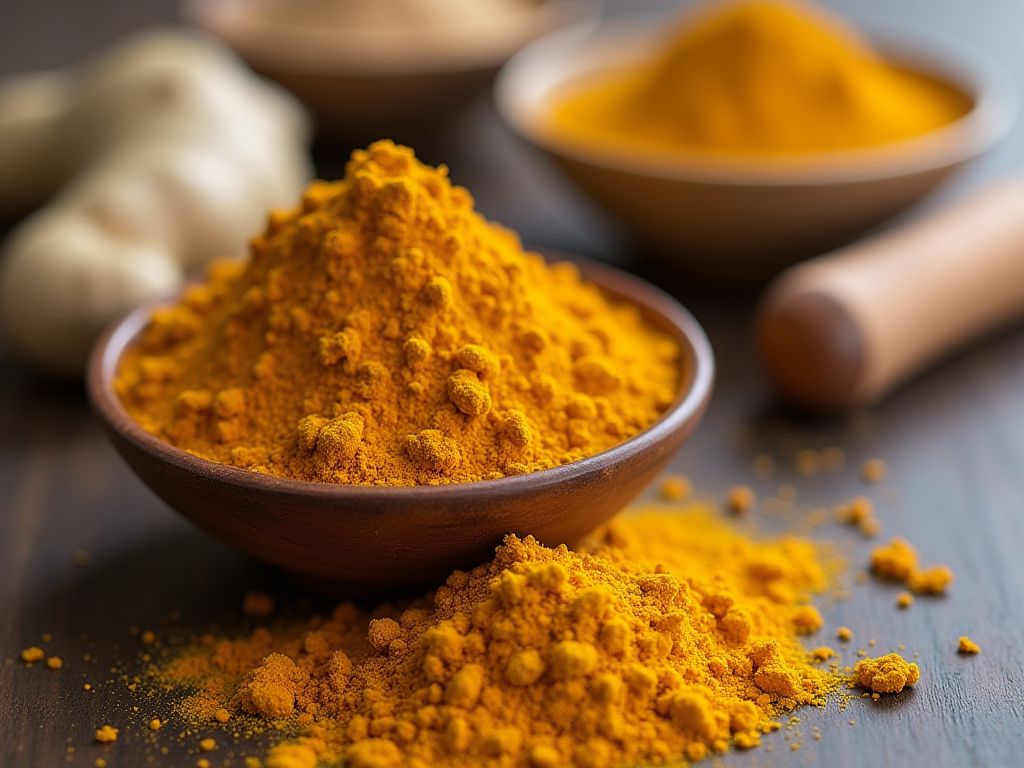
Unlocking the Power of Turmeric Curcumin for Over-30s: A Science-Backed Guide with Dietary Adjustments
Welcome to the golden era of wellness, where turmeric curcumin is emerging as a powerhouse for those over 30. As we age, our bodies face increased oxidative stress, inflammation, and declining joint health. Turmeric curcumin, a compound found in the vibrant yellow spice, offers a natural solution to these challenges. But to truly harness its potential, it’s not just about taking a supplement—it’s about integrating it into a holistic lifestyle. In this article, we’ll explore the best turmeric curcumin options, how to pair them with dietary adjustments, and why this combination is a game-changer for your health journey.
1. Understanding Curcumin: The Science Behind the Golden Spice
Curcumin is the bioactive compound in turmeric responsible for its anti-inflammatory, antioxidant, and neuroprotective properties. Studies show it can reduce inflammation markers like C-reactive protein (CRP) and inhibit enzymes that trigger pain and swelling. For over-30s, this means turmeric curcumin can support joint health, cognitive function, and even metabolic balance. However, curcumin’s low bioavailability (only about 1% is absorbed in the gut) means it’s essential to pair it with the right nutrients and lifestyle habits.
Partner Content


2. Why Turmeric Matters for Over-30s: A Lifelong Ally
As we age, our bodies become more susceptible to chronic inflammation, which is linked to conditions like arthritis, heart disease, and cognitive decline. Turmeric curcumin’s ability to modulate inflammatory pathways makes it a valuable tool for managing these risks. Additionally, its antioxidant properties help combat oxidative stress, which accelerates aging and contributes to skin and hair health. For those over 30, turmeric isn’t just a spice—it’s a longevity enhancer.
3. Selecting the Right Turmeric Curcumin Supplement
Not all turmeric supplements are created equal. Look for products with high curcumin concentration (at least 95% curcuminoids) and added piperine, a compound from black pepper that enhances absorption. Capsules with liposomal technology or formulations combined with healthy fats (like olive oil) are also more bioavailable. Always choose third-party tested brands to ensure quality and safety.
4. Dietary Synergy: How to Maximize Curcumin Absorption
Curcumin is fat-soluble, so pairing it with healthy fats like avocado, nuts, or coconut oil boosts absorption. Additionally, consuming it with foods rich in vitamin C (e.g., oranges, bell peppers) can enhance its antioxidant effects. Avoiding high-fiber foods during curcumin intake may also improve absorption, as fiber can interfere with nutrient uptake.
5. The Role of Diet in Enhancing Turmeric’s Benefits
Dietary adjustments can amplify turmeric’s impact. For example, a Mediterranean diet—rich in olive oil, leafy greens, and lean proteins—complements curcumin’s anti-inflammatory effects. Conversely, a diet high in processed foods and refined sugars can negate its benefits. Prioritize whole, unprocessed foods and limit inflammation triggers like trans fats and excessive sugar.
6. Combining Turmeric with Other Nutrients: A Holistic Approach
Curcumin works best when paired with other nutrients. For instance, omega-3 fatty acids (found in fatty fish and flaxseeds) enhance anti-inflammatory effects. Vitamin D, which is often deficient in older adults, supports immune function and complements curcumin’s role in reducing inflammation. Probiotics from fermented foods can also aid digestion and improve nutrient absorption.
7. Best Cooking Practices for Incorporating Turmeric
If you’re cooking with turmeric, add it toward the end of the cooking process to preserve its potency. Turmeric dissolves better in oil, so sautéing it in a bit of ghee or coconut oil before adding other ingredients is ideal. Use it in golden milk (with almond milk and a pinch of black pepper), roasted vegetables, or scrambled eggs for a nutrient-packed meal.
8. Avoiding Common Mistakes: What Not to Do
Many people overlook the importance of black pepper in boosting curcumin absorption. Others take large doses without considering interactions with medications (e.g., blood thinners). Overconsumption of turmeric can also lead to digestive discomfort. Always consult a healthcare provider before starting supplements, especially if you have existing health conditions or are on medication.
9. Addressing Specific Health Concerns: Tailoring Turmeric Use
For joint pain, combine curcumin with omega-3s and exercise. For cognitive health, pair it with antioxidants like blueberries and dark chocolate. Those with digestive issues may benefit from probiotics alongside curcumin. Tailoring your approach based on your specific needs ensures maximum effectiveness.
10. Long-Term Benefits: A Sustainable Wellness Strategy
Regular use of turmeric curcumin, combined with a balanced diet and active lifestyle, can lead to long-term benefits like reduced inflammation, improved joint mobility, and enhanced mental clarity. It’s not a quick fix but a sustainable strategy for aging gracefully and maintaining vitality well into your later years.
Frequently Asked Questions
Q: How much turmeric curcumin should I take daily?
A: For general health, 500–1,000 mg of curcumin per day is common. Always follow product guidelines and consult a healthcare provider.
Q: Can turmeric interact with medications?
A: Yes, curcumin may interact with blood thinners, diabetes medications, and antacids. Discuss with your doctor if you’re on any medications.
Q: Is it safe to take turmeric curcumin long-term?
A: In moderation, yes. However, long-term use should be monitored by a healthcare professional to avoid potential side effects.
Q: Can I get enough curcumin from food alone?
A: While turmeric in food provides some benefits, the concentration is low. Supplements are often necessary for therapeutic effects.
Q: Are there any side effects of turmeric curcumin?
A: In high doses, it may cause stomach upset, nausea, or diarrhea. Start with low doses and increase gradually.
Conclusion: Embrace Turmeric Curcumin for a Healthier You
Turmeric curcumin is more than a trendy supplement—it’s a scientifically supported tool for enhancing health and longevity. By choosing high-quality products, making smart dietary adjustments, and integrating it into a holistic lifestyle, over-30s can unlock its full potential. Whether you’re aiming to reduce inflammation, boost cognitive function, or support joint health, turmeric curcumin offers a golden opportunity to thrive at every stage of life. Start today, and let this ancient spice become your modern-day wellness ally.
Scientific References & Medical Evidence
- "The role of nutrition in Alzheimer's disease." (2021) View study on PubMed.gov →
- "Curcumin and Weight Loss: Does It Work?" (2022) View study on PubMed.gov →
CureCurious verifies facts through peer-reviewed research.
You might also like
Recommended for your journey
We've handpicked this top-rated health tool to help you achieve the results discussed in this article.
Check Price on Amazon*As an Amazon Associate, CureCurious.com earns from qualifying purchases. This helps us keep our research free for everyone.

Written by Dr. Sarah Mitchell
Nutrition Expert & MD
"Dr. Sarah Mitchell is a board-certified nutritionist with over 15 years of experience in clinical dietetics. She specializes in metabolic health and gut microbiome research."