Best Yoga For Flexibility Dosage Guide
Published on December 14, 2025
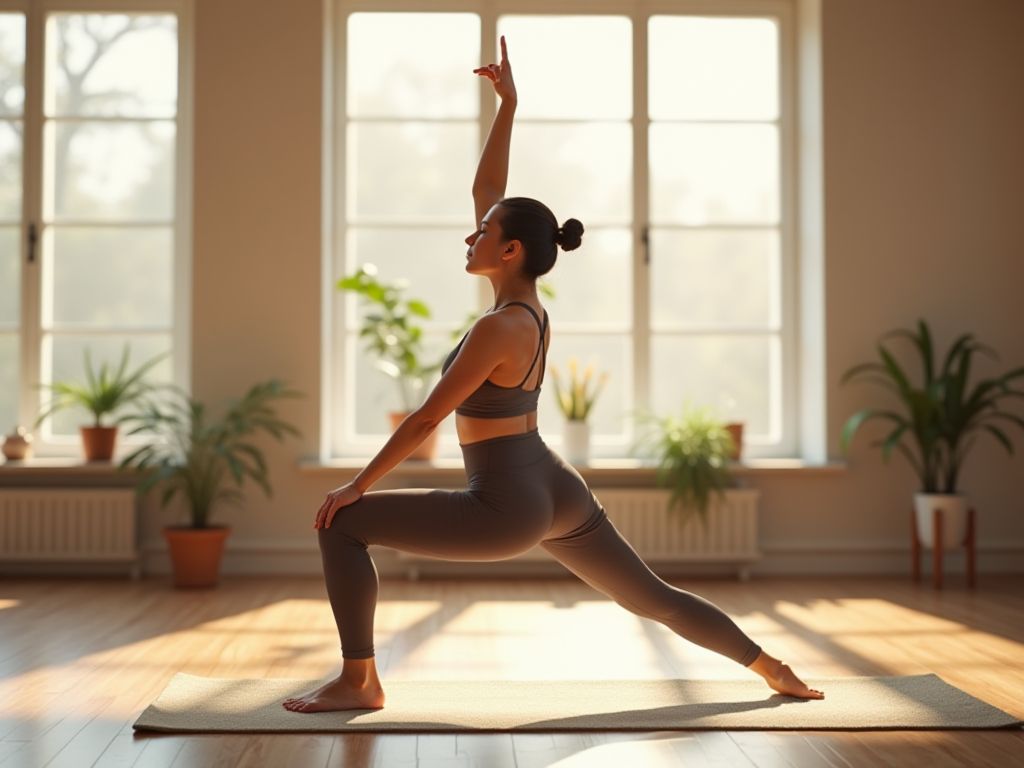
Unlock Your Potential: A Comprehensive Guide to Yoga for Flexibility
Flexibility is a cornerstone of physical health, enhancing mobility, reducing injury risk, and improving overall quality of life. Yoga, with its mind-body synergy and emphasis on mindful movement, is one of the most effective ways to boost flexibility. However, achieving lasting results requires a structured approach. This article provides a science-backed dosage guide to help you optimize your yoga practice for maximum flexibility gains. Whether you're a beginner or an experienced practitioner, this guide will help you tailor your routine for sustainable progress.
1. Understanding the Science of Flexibility and Yoga
Flexibility is determined by the elasticity of muscles, tendons, and connective tissues. Yoga improves flexibility by stretching these tissues, increasing blood flow, and promoting neuromuscular control. Studies show that consistent yoga practice can enhance range of motion by up to 30% over 12 weeks. Key mechanisms include myofascial release (relaxing tight muscles) and proprioceptive neuromuscular facilitation (improving muscle coordination through stretching).
2. Best Yoga Practices for Flexibility
Not all yoga styles are equal when it comes to flexibility. Here are the most effective practices:
- Hatha Yoga: Focuses on foundational poses, ideal for beginners.
- Vinyasa Yoga: Dynamic flows that build strength and flexibility simultaneously.
- Iyengar Yoga: Emphasizes precise alignment and the use of props for deeper stretches.
- Restorative Yoga: Uses props to hold poses for extended periods, promoting deep relaxation and flexibility.
3. Frequency: How Often Should You Practice?
Consistency is key. Aim for 3–5 sessions per week for optimal results. Research indicates that practicing 3–4 times a week yields the best balance between progress and recovery. If you're new to yoga, start with 2–3 sessions weekly and gradually increase frequency as your body adapts.
4. Duration: How Long Should Each Session Be?
Each session should last between 20–60 minutes, depending on your goals and experience level. Shorter sessions (20–30 minutes) are ideal for beginners or those with limited time, while longer sessions (45–60 minutes) allow for deeper stretches and more complex flows. Focus on quality over quantity—prioritize mindful, deliberate movements over rushed repetitions.
5. Progression: How to Increase Flexibility Over Time
Flexibility gains are gradual. Follow these steps to progress:
- Gradual Intensity: Increase the depth of stretches by 5–10% weekly.
- Introduce Advanced Poses: Transition to poses like Headstand or Full Lotus once foundational poses are mastered.
- Incorporate Props: Use blocks, straps, or blankets to safely deepen stretches.
6. Combining Yoga with Other Activities
For holistic flexibility, pair yoga with complementary exercises:
- Strength Training: Builds muscle to support flexibility gains.
- Swimming: Enhances joint mobility and reduces strain on muscles.
- Dance or Tai Chi: Improves coordination and dynamic flexibility.
7. The Role of Rest and Recovery
Overtraining can lead to injury or burnout. Allow 1–2 rest days per week to let muscles repair. Incorporate active recovery (e.g., gentle walking or stretching) on rest days to maintain circulation without overexertion.
8. Tracking Progress and Adjusting Your Routine
Use a journal to log improvements in range of motion, ease of movement, and discomfort levels. Adjust your routine based on these insights. For example, if a pose feels too challenging, reduce its intensity or use props. Celebrate small victories to stay motivated.
9. Common Mistakes to Avoid
Many beginners make errors that hinder progress. Avoid these pitfalls:
- Ignoring Pain: Sharp pain is a sign to stop and reassess form.
- Rushing Into Advanced Poses: Build foundational strength before attempting complex stretches.
- Overlooking Breathing: Use controlled breathing to relax muscles and deepen stretches.
10. Hydration and Nutrition for Flexibility
Proper hydration and nutrition are critical for flexibility. Dehydration can stiffen muscles, while adequate protein intake supports muscle repair. Aim for 3–4 liters of water daily and include foods rich in omega-3s (e.g., salmon) and magnesium (e.g., spinach) to enhance flexibility.
Frequently Asked Questions (FAQ)
Q1: Can yoga alone improve flexibility enough for athletes?
A: Yes, but it should be combined with sport-specific training. Yoga enhances flexibility, but targeted strength and endurance work is also necessary for athletic performance.
Q2: How long until I see results?
A: Most people notice improvements in 4–6 weeks with consistent practice. Significant gains may take 3–6 months, depending on starting flexibility and effort.
Q3: Is yoga safe for people with existing injuries?
A: Yes, but consult a healthcare provider first. Modify poses as needed and use props to avoid aggravating injuries.
Q4: Should I warm up before yoga?
A: Yes. A 5–10 minute warm-up (e.g., gentle flowing movements or sun salutations) prepares muscles for deeper stretches and reduces injury risk.
Q5: Can I do yoga every day?
A: It depends on your body. While daily practice can be beneficial, ensure you include rest days to prevent overuse injuries.
Conclusion: Your Flexibility Journey Starts Now
Yoga is a powerful tool for improving flexibility, but success depends on a balanced, consistent approach. By following this dosage guide—practicing 3–5 times weekly, focusing on quality over quantity, and listening to your body—you’ll unlock greater mobility and resilience. Remember, flexibility is not about perfection; it’s about progress. Embrace the journey, stay patient, and celebrate every small victory along the way. Your body will thank you.
Scientific References & Medical Evidence
- "Physical activity and exercise for chronic pain in adults: an overview of Cochrane Reviews." (2017) View study on PubMed.gov →
- "Yoga and Bone Health." (2021) View study on PubMed.gov →
CureCurious verifies facts through peer-reviewed research.
You might also like


Recommended for your journey
We've handpicked this top-rated health tool to help you achieve the results discussed in this article.
Check Price on Amazon*As an Amazon Associate, CureCurious.com earns from qualifying purchases. This helps us keep our research free for everyone.

Written by Mark Davies
Certified Fitness Coach
"Mark is a certified strength and conditioning specialist (CSCS). He helps people build sustainable fitness habits and recover from sports injuries."