Best Yoga For Flexibility With Natural Remedies
Published on December 12, 2025
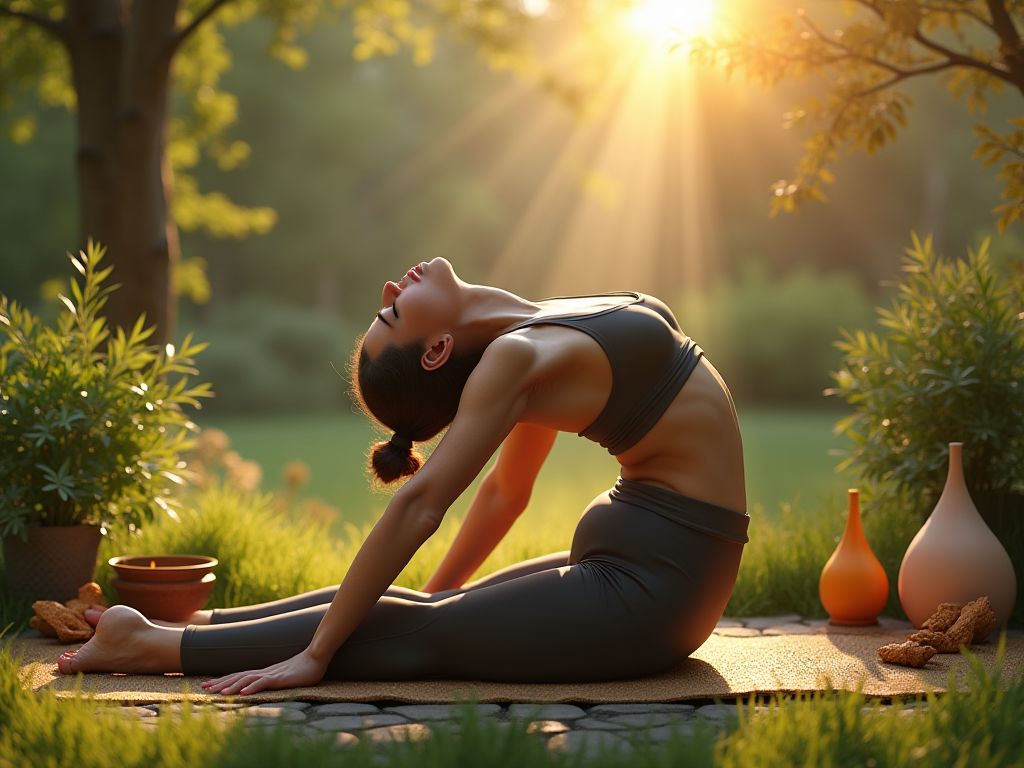
Unlock Flexibility: The Perfect Blend of Yoga and Natural Remedies
Flexibility is more than just a physical attribute—it’s a gateway to improved mobility, reduced injury risk, and enhanced overall well-being. Combining yoga with natural remedies can create a powerful synergy to boost flexibility safely and sustainably. In this article, we’ll explore the best yoga poses for flexibility and pair them with science-backed natural remedies to help you stretch further, feel better, and stay injury-free.
1. Downward Dog: The Foundation of Flexibility
This iconic pose is a staple for beginners and advanced yogis alike. By stretching the hamstrings, calves, and spine, Downward Dog improves overall flexibility while strengthening the arms and shoulders. Tip: Walk your hands forward and push your hips up to deepen the stretch in your hamstrings.
Partner Content


2. Pigeon Pose: Targeting Hip Flexibility
Pigeon Pose is a game-changer for tight hips. It opens the hip flexors, glutes, and outer thighs, which are often the root of lower back pain. Tip: Use a bolster under your hip for a gentler version if needed.
3. Cobra Pose: Spinal Mobility and Thoracic Flexibility
Cobra Pose gently stretches the spine, shoulders, and chest. It’s excellent for improving posture and relieving tension in the upper back. Tip: Keep your elbows slightly bent to avoid overextending the lower back.
4. Child’s Pose: A Restorative Stretch
This pose is perfect for cooling down or when your muscles feel tight. It stretches the hips, thighs, and ankles while calming the nervous system. Tip: Place a pillow under your forehead for added relaxation.
5. Seated Forward Fold: Hamstring and Spinal Stretch
This simple pose lengthens the hamstrings and spine, making it ideal for daily practice. Tip: Use a strap around your feet to reduce strain on your lower back.
6. Natural Remedies: Epsom Salt Baths for Muscle Relaxation
Epsom salt baths are a natural way to reduce muscle tension and inflammation. The magnesium in Epsom salt is absorbed through the skin, promoting relaxation and flexibility. How to Use: Add 1–2 cups of Epsom salt to warm water and soak for 20 minutes 2–3 times a week.
7. Herbal Teas: Peppermint for Improved Circulation
Peppermint tea boosts circulation, which can enhance flexibility by delivering more oxygen and nutrients to muscles. How to Use: Steep fresh or dried peppermint leaves in hot water for 5–10 minutes and drink 1–2 cups daily.
8. Essential Oils: Lavender and Eucalyptus for Muscle Recovery
Diffusing or massaging with lavender and eucalyptus oils can reduce muscle soreness and improve range of motion. How to Use: Mix 5 drops of each oil with a carrier oil (like coconut oil) and apply to tight areas before yoga.
9. Turmeric and Black Pepper: Anti-Inflammatory Powerhouse
Turmeric’s curcumin and black pepper’s piperine work together to reduce inflammation and support joint health. How to Use: Add 1/2 teaspoon of turmeric and a pinch of black pepper to warm milk or water daily.
10. Hydration and Sleep: The Unsung Heroes of Flexibility
Staying hydrated keeps muscles pliable, while quality sleep allows for muscle repair and recovery. Aim for 8–10 glasses of water daily and 7–9 hours of sleep per night.
Frequently Asked Questions
How often should I practice yoga for flexibility?
Practicing 3–5 times per week is ideal. Consistency is key, even if sessions are short (10–15 minutes).
Can natural remedies replace yoga for flexibility?
No. Natural remedies complement yoga but don’t replace it. Yoga provides active stretching, while remedies support recovery and muscle health.
Are essential oils safe for all skin types?
Most are safe, but always do a patch test first. Avoid using on open wounds or sensitive skin.
How long does it take to see results?
With regular practice and natural remedies, noticeable improvements in flexibility can occur within 4–6 weeks.
Conclusion: Embrace a Holistic Approach to Flexibility
Combining yoga with natural remedies offers a holistic path to greater flexibility. By integrating poses like Downward Dog and Pigeon Pose with Epsom salt baths and herbal teas, you create a balanced routine that nurtures both body and mind. Remember, flexibility is a journey—be patient, stay consistent, and enjoy the transformative power of this ancient practice paired with nature’s gifts.
You might also like


Recommended for your journey
We've handpicked this top-rated health tool to help you achieve the results discussed in this article.
Check Price on Amazon*As an Amazon Associate, CureCurious.com earns from qualifying purchases. This helps us keep our research free for everyone.

Written by Mark Davies
Certified Fitness Coach
"Mark is a certified strength and conditioning specialist (CSCS). He helps people build sustainable fitness habits and recover from sports injuries."