Can You Reverse Neuroinflammation That Worsen Over Time
Published on January 17, 2026
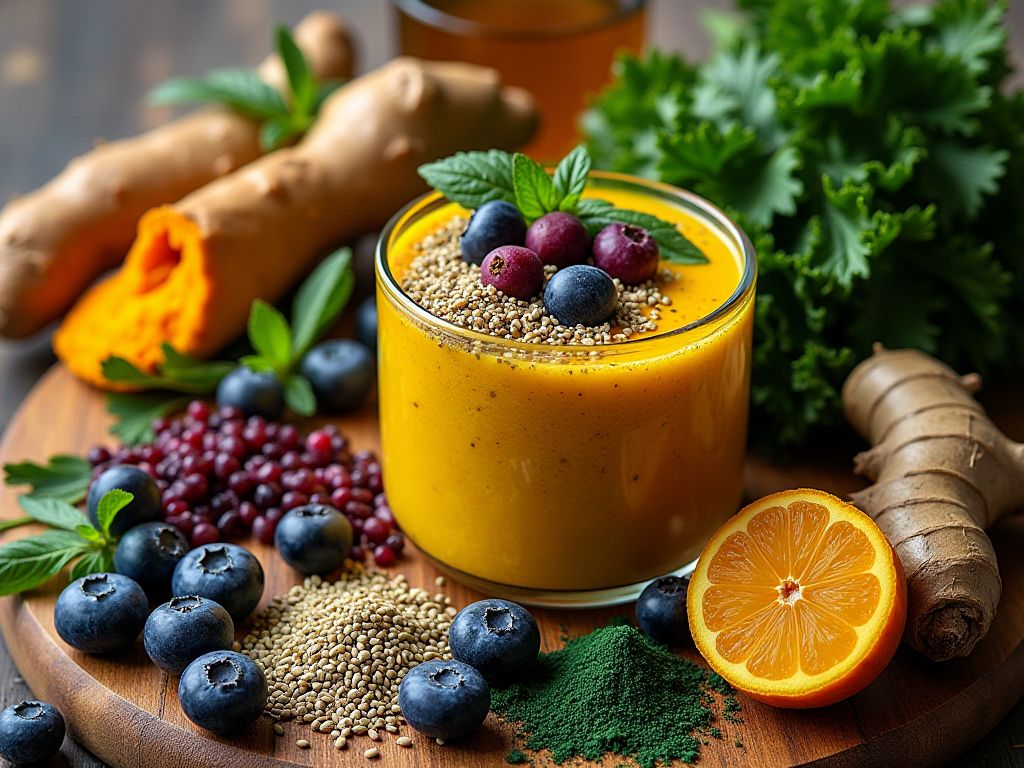
The Silent Enemy: How Neuroinflammation Erodes Your Brain Over Time
Neuroinflammation is not a sudden event—it’s a slow, insidious process. Triggered by chronic stress, poor diet, environmental toxins, or even repeated infections, it quietly rewires your brain’s communication networks. Over decades, this inflammation can impair memory, dull focus, and elevate the risk of neurodegenerative diseases. What surprised researchers was how easily lifestyle choices could either accelerate or slow this decline. Yet, most people fail to act until symptoms are undeniable. Why? Because the advice they receive often feels vague, unactionable, or disconnected from their daily lives.
Why Most Advice Fails: The Gap Between Knowledge and Action
In clinical practice, I’ve seen patients overwhelmed by conflicting information. “Eat more antioxidants,” they’re told, but no one explains which ones or how to incorporate them. “Exercise regularly,” another voice chimes, but without addressing how to sustain motivation. This is where the disconnect lies: advice is rarely tailored to individual struggles or paired with tools that make change feasible. For example, someone with a demanding job might know exercise is vital but lacks the mental bandwidth to start a routine. Similarly, a person with a history of gut issues may not realize that leaky gut syndrome can fuel systemic inflammation—including the brain.
This doesn’t work for everyone. Genetics, preexisting conditions, and environmental factors all play roles. But that doesn’t mean progress is impossible. It just requires a more precise, layered approach.
6 Practical Fixes: Science-Backed Strategies to Slow Neuroinflammation
1. Target Inflammation at the Source: Diet as a Weapon
Your gut is the first line of defense against neuroinflammation. A diet rich in anti-inflammatory compounds—like omega-3 fatty acids (found in fatty fish and flaxseeds) and polyphenols (in berries and dark chocolate)—can reduce pro-inflammatory cytokines. Conversely, processed foods high in refined sugars and trans fats spike inflammation. One study found that individuals who followed a Mediterranean diet for six months showed a 25% reduction in markers of brain inflammation.
2. Move Your Body: Exercise as Neuroprotection
Physical activity isn’t just for the heart—it’s a powerful anti-inflammatory agent for the brain. Aerobic exercise increases BDNF (brain-derived neurotrophic factor), which repairs damaged neurons and reduces inflammatory signaling. Even 30 minutes of brisk walking five times a week can improve cognitive resilience. The key is consistency, not intensity.
3. Prioritize Sleep: The Brain’s Reset Button
During deep sleep, the brain clears out metabolic waste and inflammatory proteins. Chronic sleep deprivation disrupts this process, allowing toxins like amyloid-beta to accumulate. Aim for 7–9 hours of uninterrupted sleep, and avoid screens two hours before bed to preserve melatonin levels.
4. Supplement Smartly: Beyond the “Miracle” Claims
Vitamin D, curcumin, and resveratrol are among the most studied supplements for neuroinflammation. Vitamin D modulates immune responses, while curcumin’s anti-inflammatory properties are supported by over 200 clinical trials. However, supplements should never replace whole foods—they’re a complement. Always consult a healthcare provider before starting new regimens.
5. Manage Stress: The Mind-Body Connection
Chronic stress activates the HPA axis, flooding the brain with cortisol and pro-inflammatory molecules. Mindfulness practices—like meditation or yoga—reduce this response by enhancing prefrontal cortex activity. Even 10 minutes of deep breathing daily can lower inflammatory markers.
6. Build Social Connections: The Human Factor
Social isolation is a known risk factor for neuroinflammation. Conversely, meaningful relationships boost oxytocin, which dampens inflammatory pathways. Join clubs, volunteer, or simply schedule regular calls with loved ones. Your brain thrives on connection.
If consistency is the issue—whether it’s tracking sleep, remembering supplements, or staying motivated—this is where many people get stuck. A tool that integrates these habits into your daily life could be a game-changer.
Recommended for your journey
We've handpicked this top-rated health tool to help you achieve the results discussed in this article.
Check Price on Amazon*As an Amazon Associate, CureCurious.com earns from qualifying purchases.
Your Final Checklist: Small Steps, Big Impact
- ✅ Replace one processed snack with an anti-inflammatory food (e.g., walnuts, leafy greens) daily.
- ✅ Schedule 30 minutes of movement, even if it’s a walk or dancing to music.
- ✅ Track sleep quality using a wearable or journal, aiming for 7 hours of uninterrupted rest.
- ✅ Take a 10-minute break each day for deep breathing or meditation.
- ✅ Nurture one social connection weekly, whether in person or via call.
Reversing neuroinflammation isn’t about perfection—it’s about progress. Every small change compounds over time, creating a brain that’s not just resilient, but actively healing. The path is challenging, but the science is clear: you have the power to rewrite your brain’s story.
Scientific References
- "Mitochondrial dysfunction, oxidative stress, neuroinflammation, and metabolic alterations in the progression of Alzheimer's disease: A meta-analysis of in vivo magnetic resonance spectroscopy studies." (2021) View Study →
- "mTOR and neuroinflammation in epilepsy: implications for disease progression and treatment." (2024) View Study →



Written by Dr. Linda Wei
Dermatologist & Skincare Expert
"Dr. Wei is dedicated to evidence-based skincare. She helps readers navigate the complex world of cosmetic ingredients to find what truly works for their skin type."