Cellular Rejuvenation: Meal Plan For Over 60
Published on December 14, 2025
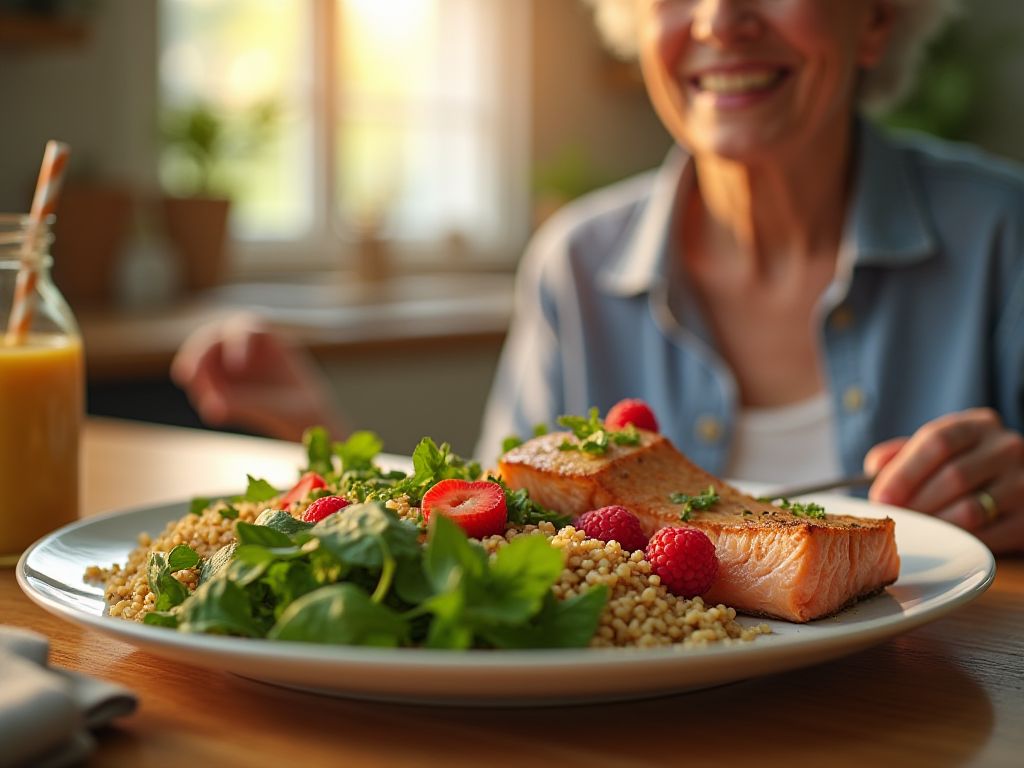
Cellular Rejuvenation: A Science-Backed Meal Plan for Adults Over 60
As we age, our cells undergo natural wear and tear, but science shows that dietary choices can significantly influence cellular health. Cellular rejuvenation—reversing or slowing aging at the cellular level—is now within reach for those over 60 through targeted nutrition. This article explores the science behind cellular rejuvenation and provides a tailored meal plan to support longevity, energy, and vitality.
Understanding Cellular Rejuvenation
Cellular rejuvenation focuses on optimizing processes like autophagy (cell cleanup), telomere maintenance (chromosome protection), and mitochondrial function (energy production). Nutrients such as antioxidants, omega-3s, and polyphenols play critical roles in these processes. For older adults, this means prioritizing foods that reduce inflammation, support DNA repair, and enhance cellular resilience.
The Role of Key Nutrients
- Antioxidants: Combat free radicals that damage cells (e.g., berries, green tea).
- Omega-3 Fatty Acids: Support brain health and reduce chronic inflammation (e.g., fatty fish, flaxseeds).
- Vitamin D: Enhances calcium absorption and immune function (e.g., fortified dairy, sunlight exposure).
- Collagen: Promotes skin elasticity and joint health (e.g., bone broth, egg whites).
Breakfast: Fuel for Cellular Energy
Begin your day with nutrient-dense options that boost metabolism and support autophagy.
- Option 1: Chia pudding with almond milk, topped with blueberries and walnuts.
- Option 2: Greek yogurt with sliced almonds, honey, and a sprinkle of flaxseeds.
- Option 3: Oatmeal with spinach, turmeric, and a poached egg.
Lunch: Balancing Macronutrients
Aim for a balance of protein, healthy fats, and complex carbohydrates to sustain energy and repair cells.
- Option 1: Grilled salmon salad with quinoa, avocado, and cherry tomatoes.
- Option 2: Lentil soup with a side of whole-grain bread and a drizzle of olive oil.
- Option 3: Stir-fried tofu with broccoli, bell peppers, and brown rice.
Dinner: Prioritizing Anti-Aging Benefits
Evening meals should focus on reducing inflammation and supporting sleep, which are vital for cellular repair.
- Option 1: Baked chicken with roasted sweet potatoes and a side of steamed kale.
- Option 2: Miso soup with edamame, seaweed, and a small portion of sushi rice.
- Option 3: Stuffed bell peppers with brown rice, black beans, and spinach.
Snacks: Healthy Bites for Cellular Health
Snacks should be rich in antioxidants and protein to maintain steady energy levels.
- Option 1: A handful of raw almonds and a square of dark chocolate (70%+ cocoa).
- Option 2: Carrot sticks with hummus and a boiled egg.
- Option 3: Smoothie with spinach, banana, and a scoop of plant-based protein powder.
Hydration: The Overlooked Key to Cellular Function
Staying hydrated is crucial for transporting nutrients, removing toxins, and maintaining skin elasticity. Aim for 8–10 glasses of water daily, and consider herbal teas or infused water (e.g., cucumber and mint) for variety.
Supplements: When and Why
While whole foods should be the foundation, supplements like vitamin D3, omega-3s, and collagen peptides can fill gaps. Always consult a healthcare provider before starting any supplement regimen.
Lifestyle Synergy: Beyond the Plate
Cellular rejuvenation is not just about diet. Regular physical activity (e.g., walking, yoga), quality sleep (7–9 hours), and stress management (e.g., meditation) are equally vital. These factors work synergistically with nutrition to enhance cellular health.
Frequently Asked Questions
Q1: How long should I follow this meal plan to see results?
A: Consistency is key. Most people notice improvements in energy and digestion within 2–4 weeks, with more profound cellular benefits appearing after 3–6 months.
Q2: Can I adapt this plan for allergies or dietary restrictions?
A: Yes. Substitute allergens (e.g., use almond milk for dairy) and ensure meals remain nutrient-dense. Consult a dietitian for personalized adjustments.
Q3: Is this meal plan safe for those with chronic conditions?
A: It’s generally safe, but individuals with diabetes, kidney disease, or other conditions should tailor the plan under medical guidance.
Conclusion
Cellular rejuvenation is a powerful strategy for aging gracefully and maintaining vitality. By embracing a nutrient-rich meal plan, staying hydrated, and adopting healthy lifestyle habits, individuals over 60 can support their cells’ ability to repair, regenerate, and thrive. Remember: your body is your most valuable asset—nourish it with care, and it will thank you.
Scientific References & Medical Evidence
- "Aging and aging-related diseases: from molecular mechanisms to interventions and treatments." (2022) View study on PubMed.gov →
- "The metabolic roots of senescence: mechanisms and opportunities for intervention." (2021) View study on PubMed.gov →
CureCurious verifies facts through peer-reviewed research.
You might also like


Recommended for your journey
We've handpicked this top-rated health tool to help you achieve the results discussed in this article.
Check Price on Amazon*As an Amazon Associate, CureCurious.com earns from qualifying purchases. This helps us keep our research free for everyone.

Written by Dr. Linda Wei
Dermatologist & Skincare Expert
"Dr. Wei is dedicated to evidence-based skincare. She helps readers navigate the complex world of cosmetic ingredients to find what truly works for their skin type."