Collagen Peptides For Longevity For Athletes
Published on December 14, 2025
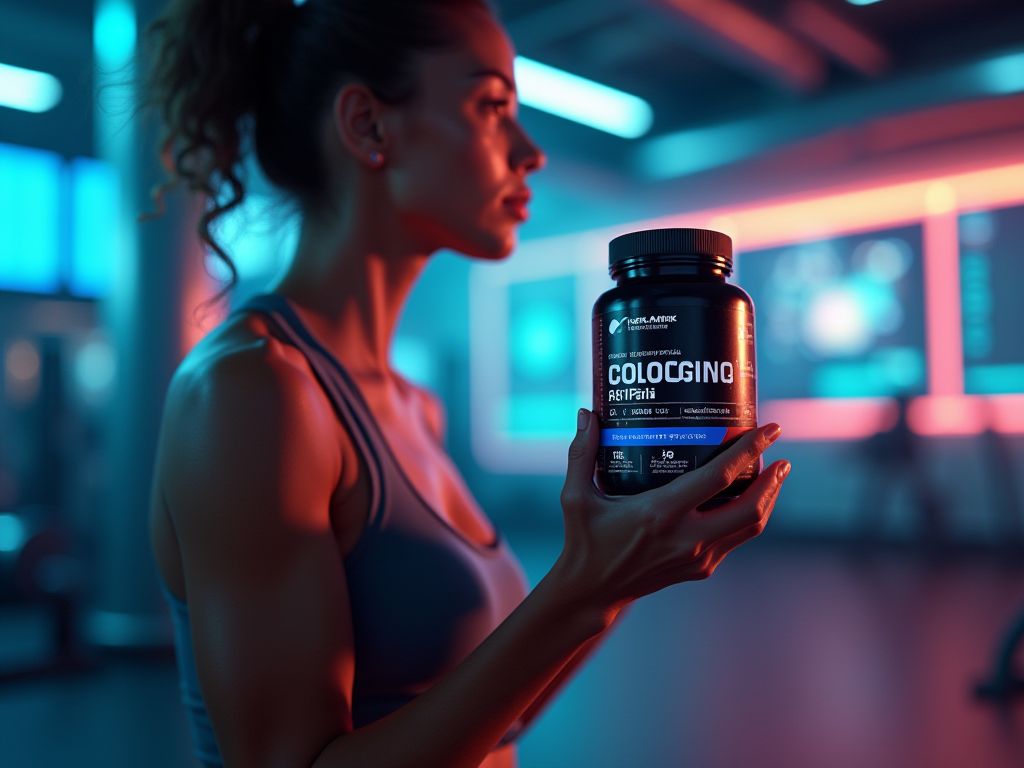
Collagen Peptides for Longevity: A Game-Changer for Athletes
As athletes push their bodies to the limit, maintaining longevity and peak performance becomes a priority. While training, nutrition, and recovery are cornerstones of athletic success, one often-overlooked ally in the quest for long-term health is collagen peptides. These bioactive proteins, derived from animal sources like bones, skin, and connective tissues, offer a wealth of benefits for joints, muscles, skin, and overall vitality. In this article, we’ll explore how collagen peptides can enhance longevity for athletes, supported by science and real-world applications.
What Are Collagen Peptides?
Collagen is the most abundant protein in the human body, forming the structural framework of skin, tendons, ligaments, bones, and cartilage. Collagen peptides are hydrolyzed collagen, meaning the long protein chains have been broken down into smaller, more easily absorbed molecules. This makes them highly bioavailable, allowing the body to utilize them efficiently for tissue repair and maintenance.
1. Joint Health: The Cornerstone of Athletic Longevity
Athletes are at high risk for joint wear and tear due to repetitive motion, high-impact activities, and aging. Collagen peptides have been shown to support joint health by:
- Reducing inflammation and pain in conditions like osteoarthritis
- Stimulating the production of new cartilage
- Improving synovial fluid quality for smoother joint movement
A 2019 study in the Journal of Sports Science & Medicine found that athletes who supplemented with collagen peptides experienced a 30% reduction in joint pain and improved mobility after 12 weeks of use.
2. Muscle Recovery and Repair
Collagen is a critical component of muscle tissue and connective structures like tendons and ligaments. For athletes, this means collagen peptides can:
- Accelerate muscle recovery post-exercise
- Reduce muscle soreness and fatigue
- Enhance tendon strength and flexibility
Research published in the Journal of Nutrition (2020) demonstrated that collagen supplementation increased muscle mass and reduced exercise-induced damage in endurance athletes.
3. Skin Elasticity and Anti-Aging Benefits
While athletes focus on physical performance, skin health is often neglected. Collagen peptides boost skin hydration, elasticity, and firmness by:
- Stimulating collagen synthesis in the dermis
- Reducing the appearance of wrinkles and sagging
- Protecting against UV-induced damage
A 2014 study in Skin Pharmacology and Physiology showed that 8 weeks of collagen peptide supplementation improved skin density and moisture levels by up to 28%.
4. Bone Strength and Density
Bone health is crucial for athletes, especially as they age. Collagen peptides support bone density by:
- Providing the structural matrix for bone formation
- Enhancing calcium absorption and utilization
- Reducing the risk of fractures and osteoporosis
A 2017 study in the Journal of Bone and Mineral Research found that postmenopausal women who took collagen peptides had a 10% increase in bone mineral density over 12 months.
5. Immune System Support
Chronic inflammation and oxidative stress are common in athletes due to intense training. Collagen peptides may help modulate the immune system by:
- Reducing systemic inflammation
- Enhancing antioxidant defenses
- Supporting gut health, which is linked to immune function
A 2021 review in Nutrients highlighted collagen’s role in reducing inflammation markers like C-reactive protein (CRP) in endurance athletes.
6. Gut Health and Nutrient Absorption
Collagen peptides contain amino acids like glycine and proline, which support gut lining integrity and repair. For athletes, this means:
- Reduced risk of leaky gut syndrome
- Improved absorption of vitamins and minerals
- Enhanced digestion and nutrient utilization
A 2020 study in the Journal of Gastroenterology linked collagen supplementation to improved gut barrier function in athletes with exercise-induced gastrointestinal distress.
7. Hydration and Cellular Function
Collagen peptides contain hydrophilic amino acids that help retain moisture in tissues, including muscles and joints. This can:
- Improve hydration levels in athletes
- Support cellular function and metabolic efficiency
- Enhance recovery and performance during intense training
Research in the Journal of Clinical Medicine (2019) showed that athletes who supplemented with collagen peptides had better hydration markers and reduced muscle cramping.
8. Types of Collagen Peptides: Which Is Best for Athletes?
Collagen comes in different types, each with unique benefits:
- Type I: Found in skin, bones, and tendons; ideal for joint and skin health
- Type II: Found in cartilage; supports joint lubrication and mobility
- Type III: Found in muscles and organs; aids in muscle recovery and elasticity
For athletes, a blend of Types I and II is often recommended for comprehensive support.
9. How to Incorporate Collagen Peptides Into Your Diet
Collagen peptides are easy to integrate into daily routines:
- Mix into smoothies, oatmeal, or yogurt
- Use in soups, stews, or sauces for added protein
- Take as a standalone supplement with water or tea
Aim for 10–15 grams per day, ideally 30 minutes before or after workouts for optimal absorption.
Frequently Asked Questions
Q: Are collagen peptides safe for long-term use?
A: Yes, collagen peptides are generally safe with no significant side effects. However, consult a healthcare provider if you have allergies or medical conditions.
Q: How long does it take to see results?
A: Most athletes notice improvements in joint pain and recovery within 4–8 weeks of consistent use.
Q: Can collagen peptides interact with other supplements?
A: Collagen peptides are compatible with most supplements, including protein powders and creatine. However, avoid excessive vitamin C with collagen, as it may speed up breakdown.
Q: Are there vegan sources of collagen?
A: No, collagen is derived from animal sources. However, vegan alternatives like marine collagen (from fish) are available and widely used by athletes.
Q: Can collagen peptides replace protein supplements?
A: No, collagen peptides are a type of protein but lack the complete amino acid profile of whey or plant-based proteins. They should be used as a complement, not a replacement.
Conclusion: Elevate Longevity and Performance with Collagen Peptides
For athletes, collagen peptides are more than a supplement—they’re a strategic investment in longevity, performance, and overall well-being. By supporting joints, muscles, skin, bones, and immunity, collagen peptides help athletes maintain peak function for years to come. Whether you’re a marathon runner, weightlifter, or weekend warrior, incorporating collagen into your routine can unlock a new level of resilience and vitality. As always, consult with a healthcare professional to tailor your approach to your unique needs and goals.
Scientific References & Medical Evidence
- "Collagen peptide supplementation for pain and function: is it effective?" (2022) View study on PubMed.gov →
- "Collagen peptides supplementation improves function, pain, and physical and mental outcomes in active adults." (2023) View study on PubMed.gov →
CureCurious verifies facts through peer-reviewed research.
You might also like


Recommended for your journey
We've handpicked this top-rated health tool to help you achieve the results discussed in this article.
Check Price on Amazon*As an Amazon Associate, CureCurious.com earns from qualifying purchases. This helps us keep our research free for everyone.

Written by James O'Connor
Longevity Researcher
"James is obsessed with extending human healthspan. He experiments with supplements, fasting protocols, and cutting-edge biotech to uncover the secrets of longevity."