Collagen Production Without Surgery For Over 30
Published on December 11, 2025
Boosting Collagen Production Without Surgery: A Comprehensive Guide for Those Over 30
Collagen, the body’s most abundant protein, is the unsung hero of skin elasticity, joint health, and even hair strength. However, after the age of 30, collagen production begins to decline at a rate of about 1% per year. While this natural process is inevitable, there are science-backed, non-surgical ways to support collagen synthesis and maintain its benefits. This article explores 10 proven strategies to boost collagen production without invasive procedures, empowering you to take control of your health and appearance.
1. Understand the Science of Collagen Synthesis
Collagen is produced by fibroblasts, cells in the skin and connective tissues, through a process involving amino acids, vitamin C, and copper. As we age, these processes slow down due to oxidative stress, hormonal changes, and environmental damage. Understanding this mechanism helps identify targeted interventions.
Partner Content


2. Prioritize Vitamin C-Rich Foods
Vitamin C is a cofactor in collagen synthesis, meaning it’s essential for the enzyme prolyl hydroxylase, which stabilizes collagen molecules. Foods like oranges, strawberries, bell peppers, and broccoli can enhance collagen production. Studies show that vitamin C supplementation can increase collagen synthesis by up to 89% in some cases.
3. Consume Collagen-Boosting Proteins
Proteins rich in glycine, proline, and hydroxyproline—amino acids critical for collagen—include bone broth, eggs, fish, and lean meats. These foods provide the building blocks for collagen and support overall tissue repair.
4. Use Hydrolyzed Collagen Supplements
Hydrolyzed collagen (collagen peptides) is easily absorbed by the body and has been shown in clinical trials to improve skin hydration, reduce wrinkles, and enhance joint health. Look for supplements with a high bioavailability rating and minimal additives.
5. Protect Your Skin from UV Damage
UV radiation breaks down existing collagen and inhibits its production. Using broad-spectrum sunscreen daily, wearing hats, and avoiding prolonged sun exposure can preserve collagen integrity. Antioxidants like resveratrol and green tea extract also combat UV-induced damage.
6. Stay Hydrated
Hydration is crucial for maintaining skin elasticity and supporting cellular functions. Dehydration can lead to dry, sagging skin and reduced collagen synthesis. Aim for at least 2.5 liters of water daily, and consider adding hyaluronic acid to your skincare routine for added moisture.
7. Incorporate Exercise into Your Routine
Resistance training and high-intensity interval training (HIIT) stimulate collagen production by increasing mechanical stress on tissues, which triggers fibroblast activity. Exercise also boosts circulation, delivering nutrients to skin and joints more efficiently.
8. Improve Sleep Quality
During deep sleep, the body releases growth hormone, which plays a role in collagen synthesis. Poor sleep disrupts this process, leading to premature aging. Aim for 7-9 hours of quality sleep each night and maintain a consistent sleep schedule.
9. Manage Stress Levels
Chronic stress elevates cortisol levels, which can break down collagen and accelerate skin aging. Mindfulness practices like meditation, yoga, and deep breathing can reduce stress and support collagen maintenance. Studies link lower cortisol levels to improved skin elasticity.
10. Explore Non-Surgical Aesthetic Treatments
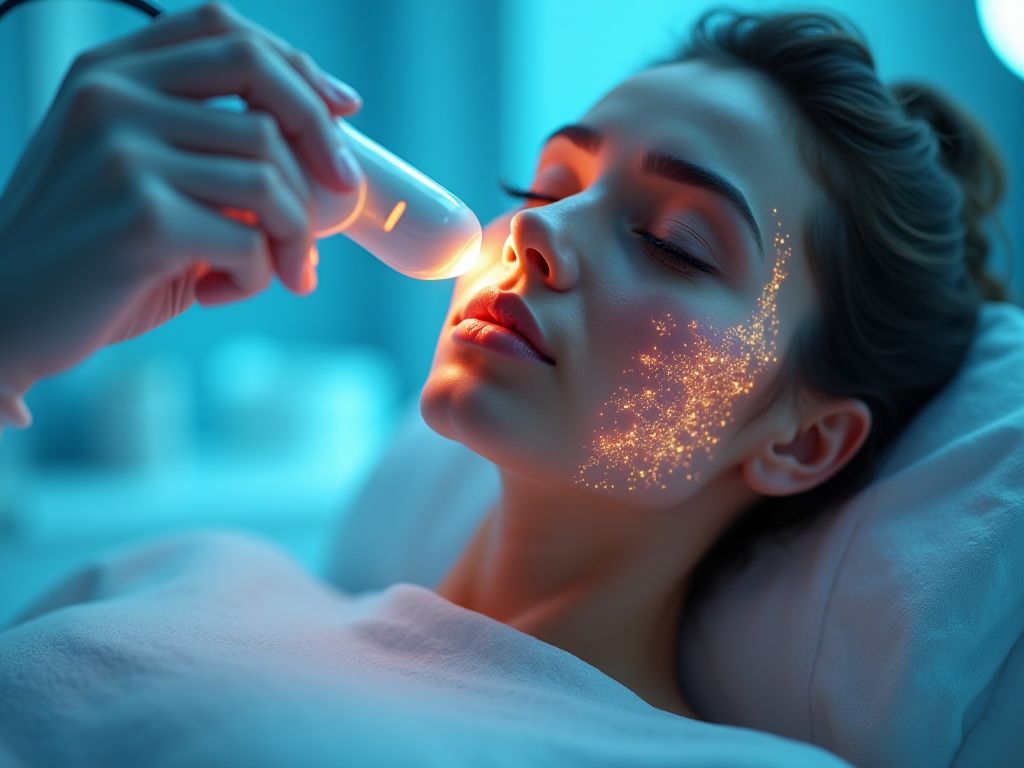
While not a substitute for lifestyle changes, non-invasive treatments like radiofrequency (RF) therapy, microneedling, and LED light therapy can stimulate collagen production. These procedures are safe, painless, and often require multiple sessions for optimal results.
Frequently Asked Questions (FAQ)
- Q: Can collagen supplements actually work for someone over 40?
A: Yes. While collagen production declines with age, supplements and lifestyle changes can still support synthesis. Studies show improvements in skin and joint health in adults over 40. - Q: How long does it take to see results from collagen-boosting methods?
A: Results vary, but most people notice improvements in skin texture and joint mobility within 8-12 weeks of consistent use. - Q: Are there any risks associated with collagen supplements?
A: Collagen supplements are generally safe, but some may cause digestive discomfort. Always consult a healthcare provider before starting new supplements, especially if you have allergies or medical conditions. - Q: Can diet alone replace the need for supplements?
A: A nutrient-rich diet can support collagen production, but supplements may be necessary to meet increased demands, especially as we age. - Q: What role does smoking play in collagen loss?
A: Smoking accelerates collagen breakdown by reducing blood flow and increasing oxidative stress. Quitting smoking is one of the most effective ways to preserve collagen.
Conclusion: Take Control of Your Collagen Health
While aging is a natural process, the decline in collagen production doesn’t have to be a passive one. By adopting a holistic approach that includes nutrition, exercise, skincare, and stress management, you can support collagen synthesis and maintain your skin’s radiance, joint flexibility, and overall vitality. Remember, the best results come from consistency—start today, and invest in your long-term health without ever needing surgery.
Scientific References & Medical Evidence
- "An Innovative Treatment Using Calcium Hydroxyapatite for Non-Surgical Facial Rejuvenation: The Vectorial-Lift Technique." (2024) View study on PubMed.gov →
- "Perspectives and challenges in lip rejuvenation: a systematic review." (2023) View study on PubMed.gov →
CureCurious verifies facts through peer-reviewed research.
You might also like
Recommended for your journey
We've handpicked this top-rated health tool to help you achieve the results discussed in this article.
Check Price on Amazon*As an Amazon Associate, CureCurious.com earns from qualifying purchases. This helps us keep our research free for everyone.

Written by Dr. Linda Wei
Dermatologist & Skincare Expert
"Dr. Wei is dedicated to evidence-based skincare. She helps readers navigate the complex world of cosmetic ingredients to find what truly works for their skin type."