How Stress Induced Inflammation Affects Overall Health In Active Adults
Published on May 2, 2026
Stress Isn’t Just Mental—It’s a Silent Fire That Burns Your Body from the Inside Out
Think of your body as a high-performance engine. Stress is the spark plug that, when overused, ignites a fire you can’t see. This isn’t metaphor—it’s biology. Chronic stress triggers inflammation, a process that quietly erodes muscle, saps energy, and messes with your brain’s ability to focus. In clinical practice, I’ve watched athletes crash after months of intense training, only to realize stress was the real culprit. You’re not just fighting fatigue—you’re battling a hidden enemy.
Why It Matters: Stress and Inflammation Are a 1-2 Punch
Your body’s stress response is designed for short-term survival. But when it’s activated constantly—by deadlines, sleep deprivation, or overtraining—it floods your system with cortisol and pro-inflammatory cytokines. Over time, this messes up everything: recovery, immunity, even your mood. What surprised researchers was how quickly inflammation spikes in active adults, even if they’re otherwise healthy. It’s not just about being “stressed”—it’s about how your body reacts to that stress.
5 Core Principles to Outsmart Stress-Induced Inflammation
1. Prioritize Sleep Like It’s a Training Session
Think of sleep as your body’s reset button. Poor sleep increases inflammatory markers by up to 30%. Aim for 7–9 hours, and treat bedtime like a non-negotiable workout goal. If you’re nodding off at 10 PM, you’re not just tired—you’re sabotaging your recovery.
2. Fuel Your Body with Anti-Inflammatory Foods
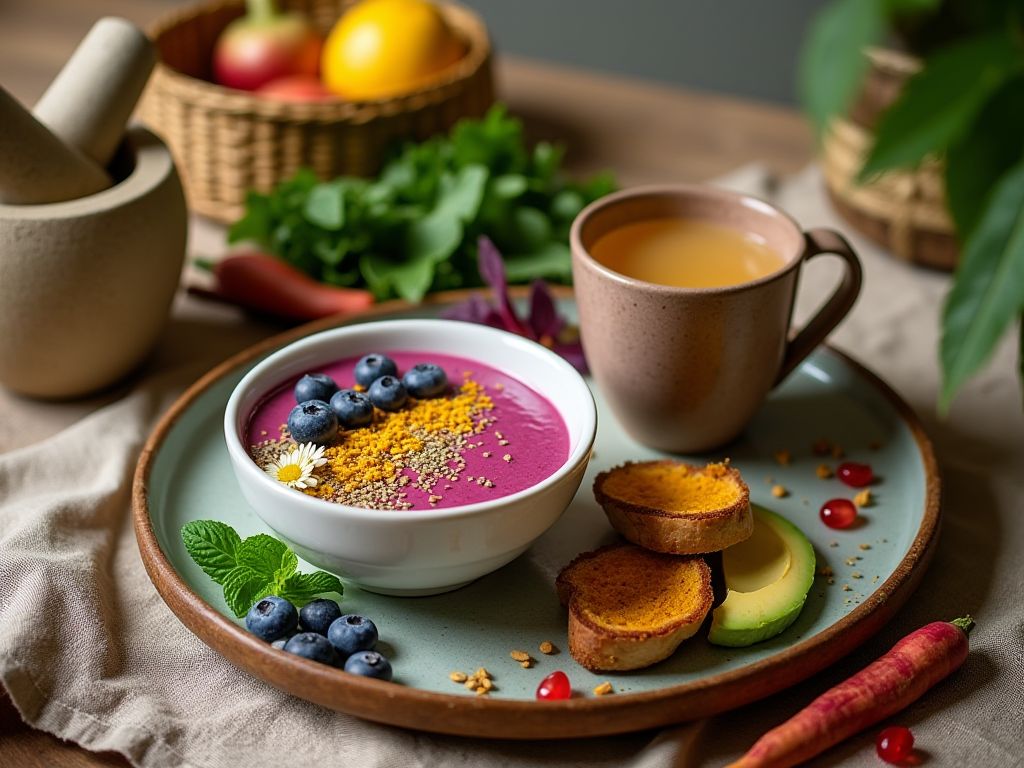
Omega-3s, turmeric, and leafy greens aren’t just “healthy”—they’re your frontline defense. Swap refined carbs for whole foods, and watch your inflammation levels drop. One client saw her CRP (inflammation marker) plummet after adding 2 tablespoons of chia seeds daily. Small changes, big wins.
3. Move Smart, Not Just Hard
Exercise is a double-edged sword. Too much without recovery? Inflammation skyrockets. Balance is key: alternate high-intensity days with low-impact recovery (yoga, walking). Your muscles thank you, and so does your immune system.
4. Master Your Breathing (It’s Not Just for Meditation)
Box breathing—inhale 4 seconds, hold 4, exhale 4, hold 4—lowers cortisol and inflammation in minutes. I’ve used this pre-workout to stay sharp and post-competition to cool down. It’s free, instant, and works on the go.
5. Track Inflammation, Don’t Guess
Use a blood test (like hs-CRP) or a wearable that monitors heart rate variability (HRV). These tools show you when stress is pushing your body past its limits. This is where many people get stuck—they don’t know their inflammation is spiking until it’s too late. [AMAZON_PRODUCT_PLACEHOLDER]
FAQ: Your Questions, Answered
Can exercise worsen inflammation? Yes, if you’re overtraining or not recovering. Listen to your body—it’s your best coach.
How do I know if my inflammation is too high? Symptoms include fatigue, brain fog, and delayed recovery. A blood test is the gold standard.
Does stress affect muscle growth? Absolutely. Chronic inflammation disrupts protein synthesis, making gains harder to achieve.
This doesn’t work for everyone… True. Genetics, lifestyle, and environment all play roles. Experiment, adapt, and don’t be discouraged by setbacks.
Takeaway: Your Body Is a System—Treat It Like One
Stress-induced inflammation isn’t a side effect—it’s a signal. Pay attention to it, and you’ll unlock better performance, sharper focus, and a healthier you. Start small: track sleep, tweak your diet, and breathe deeply. Over time, these habits compound. You’re not just managing stress—you’re engineering resilience. Now go build it.
Recommended for your journey
We've handpicked this top-rated health tool to help you achieve the results discussed in this article.
Check Price on Amazon*As an Amazon Associate, CureCurious.com earns from qualifying purchases.
Scientific References
- "Chronic stress primes innate immune responses in mice and humans." (2021) View Study →
- "Pathophysiological interpretation of fetal heart rate tracings in clinical practice." (2023) View Study →

Written by Mark Davies
Certified Fitness Coach
"Mark is a certified strength and conditioning specialist (CSCS). He helps people build sustainable fitness habits and recover from sports injuries."