Complete Arterial Health For Beginners
Published on December 13, 2025
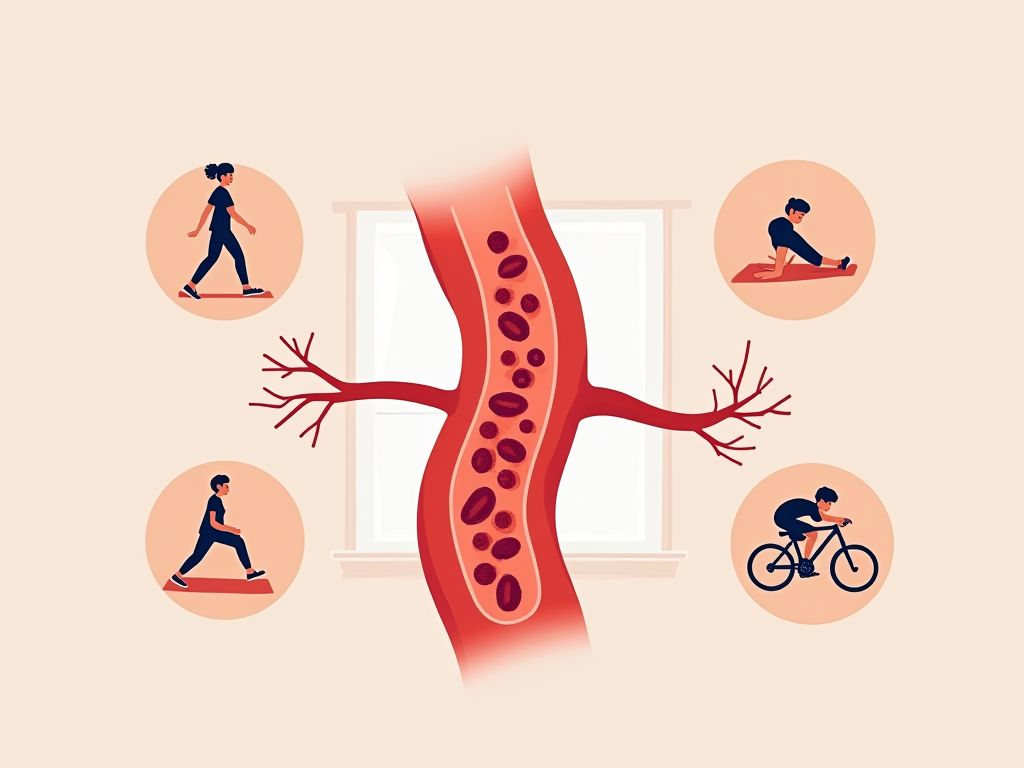
Complete Arterial Health: A Beginner’s Guide to Protecting Your Cardiovascular System
Arteries are the lifelines of your body, carrying oxygen-rich blood to every organ and tissue. When they’re healthy, they support energy, vitality, and longevity. But when they’re compromised by plaque buildup, inflammation, or other issues, they can lead to serious conditions like heart disease, stroke, and peripheral artery disease. This article is your roadmap to understanding and maintaining complete arterial health, even if you’re just starting your wellness journey.
1. Understanding the Role of Arteries
Arteries are muscular tubes that transport blood from the heart to the rest of the body. Their walls are composed of three layers: the outer tunica adventitia, the middle tunica media (which contains smooth muscle), and the inner tunica intima. Healthy arteries are elastic, allowing them to expand and contract with each heartbeat. Over time, factors like high cholesterol, inflammation, and oxidative stress can damage these walls, leading to atherosclerosis—the primary cause of arterial disease.
2. The Hidden Threats to Arterial Health
Arterial damage often begins silently. Key threats include:
- High cholesterol: LDL ("bad") cholesterol can accumulate in artery walls, forming plaques.
- High blood pressure: Forces arteries to work harder, causing wear and tear.
- Smoking: Narrows arteries and reduces oxygen delivery to tissues.
- Diabetes: Increases inflammation and damages blood vessels.
- Chronic stress: Elevates cortisol, which can raise blood pressure and promote plaque formation.
3. Diet: The Foundation of Arterial Wellness
Your diet plays a pivotal role in arterial health. Focus on:
- Omega-3 fatty acids: Found in fatty fish, flaxseeds, and walnuts, these reduce inflammation and improve arterial flexibility.
- Fiber-rich foods: Soluble fiber (e.g., oats, legumes) lowers LDL cholesterol.
- Antioxidants: Berries, dark chocolate, and leafy greens combat oxidative stress that damages arteries.
- Limiting processed foods: High in sodium, trans fats, and refined sugars, these contribute to arterial stiffness and plaque buildup.
4. Exercise: The Best Medicine for Arteries
Regular physical activity strengthens heart muscle, improves circulation, and enhances arterial elasticity. Aim for:
- 30 minutes of moderate exercise daily (e.g., brisk walking, cycling).
- Strength training: Builds muscle, which helps regulate blood pressure.
- Yoga or tai chi: Reduces stress and promotes vascular health.
5. Managing Blood Pressure: A Lifeline for Arteries
High blood pressure is a major risk factor for arterial damage. To manage it:
- Monitor your blood pressure regularly.
- Limit sodium intake to less than 2,300 mg per day.
- Adopt a DASH diet (Dietary Approaches to Stop Hypertension), rich in fruits, vegetables, and low-fat dairy.
- Stay hydrated and avoid excessive alcohol consumption.
6. The Power of a Healthy Weight
Excess body fat, especially around the abdomen, increases the risk of arterial disease. Losing even 5-10% of body weight can significantly improve arterial function and reduce inflammation. Combine a balanced diet with regular exercise for sustainable results.
7. Stress Management: Protecting Arteries from the Inside
Chronic stress releases cortisol, which can raise blood pressure and promote plaque formation. Effective stress management techniques include:
- Meditation or mindfulness practices.
- Deep breathing exercises.
- Engaging in hobbies or creative activities.
- Seeking professional counseling if needed.
8. Smoking Cessation: A Critical Step
Smoking damages arterial walls, reduces oxygen levels, and accelerates atherosclerosis. Quitting smoking can restore arterial function within months and reduce the risk of heart disease by up to 50% within a year.
9. The Role of Supplements in Arterial Health
While supplements should not replace a healthy lifestyle, certain ones may support arterial health:
- Vitamin D: Low levels are linked to arterial stiffness.
- Fish oil: Rich in omega-3s, which reduce inflammation.
- Garlic: May help lower blood pressure and cholesterol.
- Coenzyme Q10 (CoQ10): Supports mitochondrial function in arterial cells.
Always consult a healthcare provider before starting supplements.
10. Regular Check-Ups: Early Detection is Key
Early detection of arterial issues can prevent severe complications. Schedule regular screenings for:
- Cholesterol levels (LDL, HDL, and triglycerides).
- Blood pressure (check annually or more frequently if at risk).
- Arterial stiffness (measured via pulse wave velocity tests).
- Carotid ultrasound (to detect plaque in neck arteries).
Frequently Asked Questions (FAQ)
Q1: How often should I get my arteries checked?
A: For healthy individuals, a baseline checkup (e.g., cholesterol, blood pressure) every 3-5 years is sufficient. Those with risk factors (e.g., family history, diabetes) should consult a doctor for more frequent monitoring.
Q2: Are supplements necessary for arterial health?
A: Supplements can support, but not replace, a healthy lifestyle. Prioritize diet and exercise; consult a healthcare provider before taking any supplements.
Q3: How do I know if my arteries are blocked?
A: Symptoms may include chest pain, leg cramps during activity, or numbness. However, many people show no symptoms until a serious event occurs. Diagnostic tests like angiograms or ultrasounds can detect blockages.
Q4: What role does genetics play in arterial health?
A: Genetics can influence cholesterol levels, blood pressure, and risk of atherosclerosis. However, lifestyle choices can mitigate these risks significantly.
Q5: How do I start improving my arterial health?
A: Begin with small, sustainable changes: eat more fruits and vegetables, exercise regularly, manage stress, and avoid smoking. Consistency is key.
Conclusion: Take Charge of Your Arterial Health Today
Complete arterial health is not a destination but a lifelong commitment to your body’s well-being. By understanding the science behind arterial function and adopting simple, science-backed habits, you can protect your heart, brain, and overall vitality. Start today—your arteries will thank you for every step you take toward a healthier future.
Scientific References & Medical Evidence
- "A Review of Obesity, Physical Activity, and Cardiovascular Disease." (2020) View study on PubMed.gov →
- "Cardiovascular Disease in Women: Clinical Perspectives." (2016) View study on PubMed.gov →
CureCurious verifies facts through peer-reviewed research.
Recommended for your journey
We've handpicked this top-rated health tool to help you achieve the results discussed in this article.
Check Price on Amazon*As an Amazon Associate, CureCurious.com earns from qualifying purchases. This helps us keep our research free for everyone.

Written by Dr. Sarah Mitchell
Nutrition Expert & MD
"Dr. Sarah Mitchell is a board-certified nutritionist with over 15 years of experience in clinical dietetics. She specializes in metabolic health and gut microbiome research."