Complete Collagen Peptides Safety Considerations For Over 50
Published on December 14, 2025
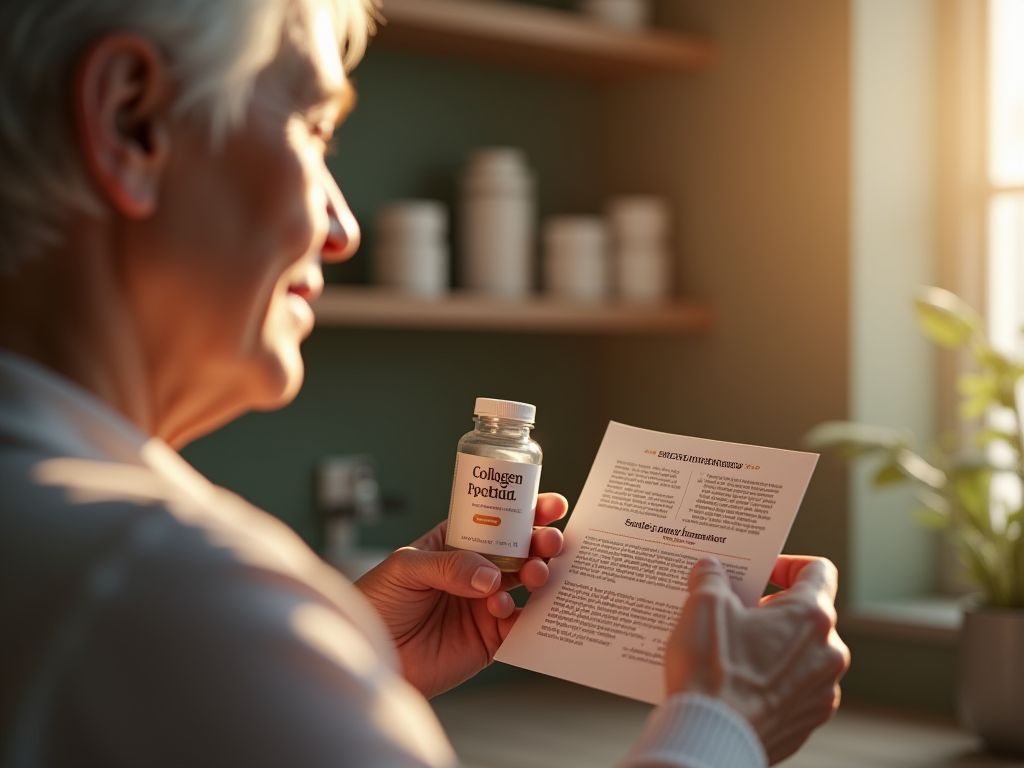
Understanding the Safety of Complete Collagen Peptides for Adults Over 50
As people age, maintaining skin elasticity, joint health, and overall vitality becomes a priority. Complete collagen peptides—hydrolyzed collagen proteins rich in amino acids—have gained popularity for their potential to support these areas. However, for adults over 50, safety considerations are critical. This article explores the science-backed safety profile of complete collagen peptides, addressing concerns, interactions, and best practices for safe use.
1. What Are Complete Collagen Peptides?
Complete collagen peptides are derived from animal sources (e.g., bovine, marine) and broken down into smaller peptides for easier absorption. They contain all essential amino acids and are often marketed as "complete" because they provide a full spectrum of collagen types (I, II, III). These peptides are commonly used to support skin, hair, nails, joints, and gut health.
Partner Content


2. General Safety Profile for Older Adults
Collagen peptides are generally well-tolerated in clinical trials, even among older adults. However, safety depends on factors like dosage, product quality, and individual health conditions. Most studies report minimal side effects, though long-term data for people over 50 remains limited.
3. Allergies and Sensitivities
Common allergens: Collagen peptides derived from marine sources may trigger allergies in people with seafood sensitivities. Bovine-derived products could affect those with dairy allergies. Always check product labels for cross-contamination warnings.
Testing recommendations: Individuals with a history of allergies should consult a healthcare provider before starting collagen supplements. Patch testing or starting with a low dose may help identify adverse reactions.
4. Interactions with Medications
Collagen peptides may interact with certain medications, including:
- Blood thinners: Collagen’s amino acid profile (e.g., arginine) could theoretically enhance anticoagulant effects. Monitor INR levels if on warfarin or similar drugs.
- Diabetes medications: Some studies suggest collagen may affect blood sugar control, though evidence is inconclusive. Diabetic individuals should consult a doctor.
- Immune-modulating drugs: Collagen’s role in immune function may interact with immunosuppressants or autoimmune treatments.
5. Kidney Health Considerations
Collagen peptides are typically safe for healthy kidneys, but those with chronic kidney disease (CKD) should exercise caution. High-protein diets, including collagen supplements, may increase kidney workload. A 2021 study in Renal Failure noted that individuals with CKD stage 3+ should limit protein intake under medical guidance.
6. Quality and Purity of Products
Not all collagen supplements are equal. Poor-quality products may contain contaminants (heavy metals, pesticides) or lack proper hydrolyzation, reducing bioavailability. Look for:
- Third-party certifications (e.g., NSF, Informed-Sport).
- Transparency in sourcing and manufacturing processes.
- Low molecular weight (below 10 kDa) for optimal absorption.
7. Dosage and Overconsumption Risks
Most studies recommend 2.5–15 grams of collagen peptides daily. However, overconsumption may lead to:
- Gastrointestinal discomfort: Bloating, diarrhea, or constipation from excessive protein intake.
- Nutrient imbalances: Over-reliance on collagen may displace other essential nutrients (e.g., calcium, vitamin D).
8. Gastrointestinal Tolerance in Older Adults
Older adults may experience reduced stomach acid and slower digestion, potentially affecting collagen absorption. To mitigate this:
- Take supplements with meals to enhance absorption.
- Choose products with added digestive enzymes or probiotics.
- Start with lower doses and gradually increase.
9. Long-Term Use and Monitoring
While short-term use is well-documented, long-term safety data for adults over 50 is limited. Potential concerns include:
- Metabolic effects: Prolonged high-protein diets may strain kidney or liver function in vulnerable individuals.
- Hormonal interactions: Collagen’s amino acids (e.g., glycine) may influence hormone balance, though more research is needed.
Regular check-ups with a healthcare provider are recommended for those using collagen peptides long-term.
10. Consultation with Healthcare Professionals
Before starting collagen supplementation, adults over 50 should discuss their health history with a doctor, especially if they have:
- Chronic conditions (e.g., diabetes, kidney disease).
- Medication regimens.
- Allergies or sensitivities.
A healthcare provider can help tailor dosage, product choice, and monitoring to individual needs.
Frequently Asked Questions
Q: Are there any common side effects of collagen peptides in older adults?
A: Mild gastrointestinal discomfort, bloating, or allergic reactions are rare but possible. Severe side effects are uncommon when using high-quality products.
Q: Can collagen peptides interfere with osteoporosis medications?
A: There is no strong evidence of direct interactions, but collagen’s calcium-binding properties may theoretically affect absorption. Consult your doctor if on bisphosphonates or other bone-related drugs.
Q: How can I choose a safe collagen product for over-50s?
A: Prioritize products with third-party testing, clear sourcing information, and low molecular weight. Avoid those with artificial additives or fillers.
Q: Are there alternatives to collagen peptides for joint health?
A: Yes—options include glucosamine, chondroitin, omega-3s, and vitamin D. However, collagen peptides are a safe and effective choice for many older adults.
Conclusion
Complete collagen peptides offer promising benefits for adults over 50, but safety depends on informed choices. By considering product quality, consulting healthcare providers, and monitoring for interactions, older adults can harness collagen’s potential while minimizing risks. As always, individual health needs should guide supplementation decisions.
Scientific References & Medical Evidence
- "Effects of denosumab on bone mineral density and bone turnover in postmenopausal women transitioning from alendronate therapy." (2010) View study on PubMed.gov →
- "Senescent fibroblast facilitates re-epithelization and collagen deposition in radiation-induced skin injury through IL-33-mediated macrophage polarization." (2024) View study on PubMed.gov →
CureCurious verifies facts through peer-reviewed research.
You might also like


Recommended for your journey
We've handpicked this top-rated health tool to help you achieve the results discussed in this article.
Check Price on Amazon*As an Amazon Associate, CureCurious.com earns from qualifying purchases. This helps us keep our research free for everyone.

Written by CureCurious Team
Editorial Team
"Our editorial team consists of passionate health researchers dedicated to bringing you the latest science-backed wellness news."