Complete Guide To Arterial Health
Published on December 12, 2025
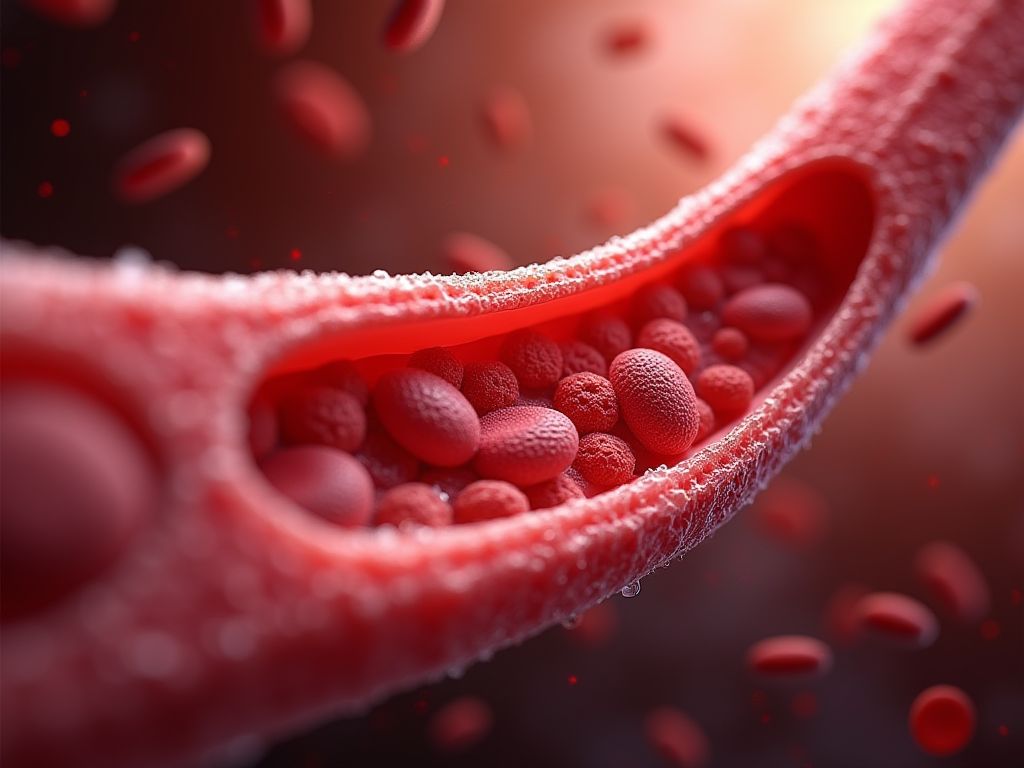
Complete Guide to Arterial Health: Understanding, Protecting, and Improving Your Cardiovascular System
Arteries are the lifelines of your body, delivering oxygen and nutrients to every organ and tissue. Yet, many people overlook their health until serious complications arise. Arterial health is a cornerstone of overall wellness, influencing everything from heart function to brain health. This guide explores the science behind arterial health, common risks, and actionable steps to safeguard your vascular system.
1. Anatomy and Function of Arteries
Arteries are thick-walled blood vessels that carry oxygen-rich blood from the heart to the rest of the body. Their elastic structure allows them to expand and contract with each heartbeat, ensuring steady blood flow. Key arteries, such as the aorta and carotid arteries, play critical roles in maintaining blood pressure and nutrient delivery.
Partner Content


2. Importance of Arterial Health
Healthy arteries are essential for:
- Preventing heart disease and stroke
- Maintaining cognitive function
- Supporting organ perfusion
- Regulating blood pressure
3. Common Arterial Diseases and Conditions
Key conditions include:
- Atherosclerosis: Plaque buildup narrows arteries, reducing blood flow.
- Peripheral Artery Disease (PAD): Reduced blood flow to limbs, often causing pain.
- Carotid Artery Disease: Stenosis increases stroke risk.
- Aneurysms: Weak spots in artery walls may rupture, causing internal bleeding.
4. Risk Factors for Arterial Damage
Non-modifiable and modifiable factors contribute to arterial health:
- Non-modifiable: Age, family history, and genetics.
- Modifiable: High cholesterol, smoking, sedentary lifestyle, and uncontrolled diabetes.
5. Diet and Nutrition for Arterial Health
A heart-healthy diet includes:
- Foods to prioritize: Fatty fish (omega-3s), leafy greens, berries, nuts, and whole grains.
- Limit: Trans fats, refined sugars, and excessive sodium.
- Supplements: Consider vitamin D, magnesium, and omega-3s under medical guidance.
6. The Role of Exercise in Arterial Health
Regular physical activity strengthens artery walls and improves blood flow. Recommendations:
- At least 150 minutes of moderate aerobic exercise weekly (e.g., brisk walking, cycling).
- Incorporate strength training to enhance vascular elasticity.
- Resistance exercises can improve endothelial function, the inner lining of arteries.
7. Stress Management and Arterial Health
Chronic stress elevates cortisol, contributing to inflammation and arterial damage. Strategies to manage stress:
- Meditation and deep breathing exercises
- Yoga and tai chi
- Sleep hygiene (7–9 hours nightly)
8. Smoking and Alcohol: Arterial Health Impacts
Smoking:
- Nicotine constricts blood vessels, increasing blood pressure.
- Carbon monoxide reduces oxygen delivery to tissues.
- Excessive consumption raises blood pressure and triglycerides.
- Light to moderate intake (1 drink/day for women, 2 for men) may have protective effects.
9. Medical Conditions Linked to Arterial Damage
Conditions like diabetes, hypertension, and hyperlipidemia accelerate arterial aging. Management strategies:
- Control blood sugar with diet and medication (e.g., metformin).
- Monitor and treat high blood pressure with lifestyle changes and antihypertensives.
- Manage cholesterol with statins and dietary modifications.
10. Diagnostic Tests for Arterial Health
Common tests include:
- Angiogram: Visualizes blockages in real time.
- Doppler ultrasound: Assesses blood flow in peripheral arteries.
- CT angiography: Non-invasive imaging of arteries.
- Blood tests: Measure cholesterol, glucose, and inflammatory markers (e.g., C-reactive protein).
Frequently Asked Questions
Q1: Can I improve arterial health after damage has occurred? A: Yes, lifestyle changes like exercise, diet, and quitting smoking can reverse some damage. Medications may also be necessary.
Q2: Are there natural remedies for arterial health? A: Garlic, ginger, and omega-3 supplements may support vascular function, but consult a doctor before use.
Q3: How often should I get my arteries checked? A: Adults over 40 or with risk factors should consider annual screenings. Discuss with your physician.
Q4: What are the signs of arterial disease? A: Symptoms include leg cramps during activity (claudication), chest pain, dizziness, and numbness in limbs.
Q5: Can mental health affect arterial health? A: Yes. Chronic stress, anxiety, and depression increase inflammation, raising the risk of arterial disease.
Conclusion: Taking Control of Your Arterial Health
Arterial health is a lifelong commitment that requires awareness, proactive lifestyle choices, and regular medical care. By understanding the science behind arterial function and adopting preventive measures, you can significantly reduce the risk of cardiovascular disease. Small changes—like choosing healthier foods, moving more, and managing stress—can have profound impacts on your vascular system. Prioritize your arteries today for a healthier, longer life tomorrow.
Scientific References & Medical Evidence
- "Endothelial Dysfunction in Atherosclerotic Cardiovascular Diseases and Beyond: From Mechanism to Pharmacotherapies." (2021) View study on PubMed.gov →
- "The pathobiology of vascular dementia." (2013) View study on PubMed.gov →
CureCurious verifies facts through peer-reviewed research.
You might also like


Recommended for your journey
We've handpicked this top-rated health tool to help you achieve the results discussed in this article.
Check Price on Amazon*As an Amazon Associate, CureCurious.com earns from qualifying purchases. This helps us keep our research free for everyone.

Written by Dr. Sarah Mitchell
Nutrition Expert & MD
"Dr. Sarah Mitchell is a board-certified nutritionist with over 15 years of experience in clinical dietetics. She specializes in metabolic health and gut microbiome research."