Functional Fitness For Women
Published on December 14, 2025
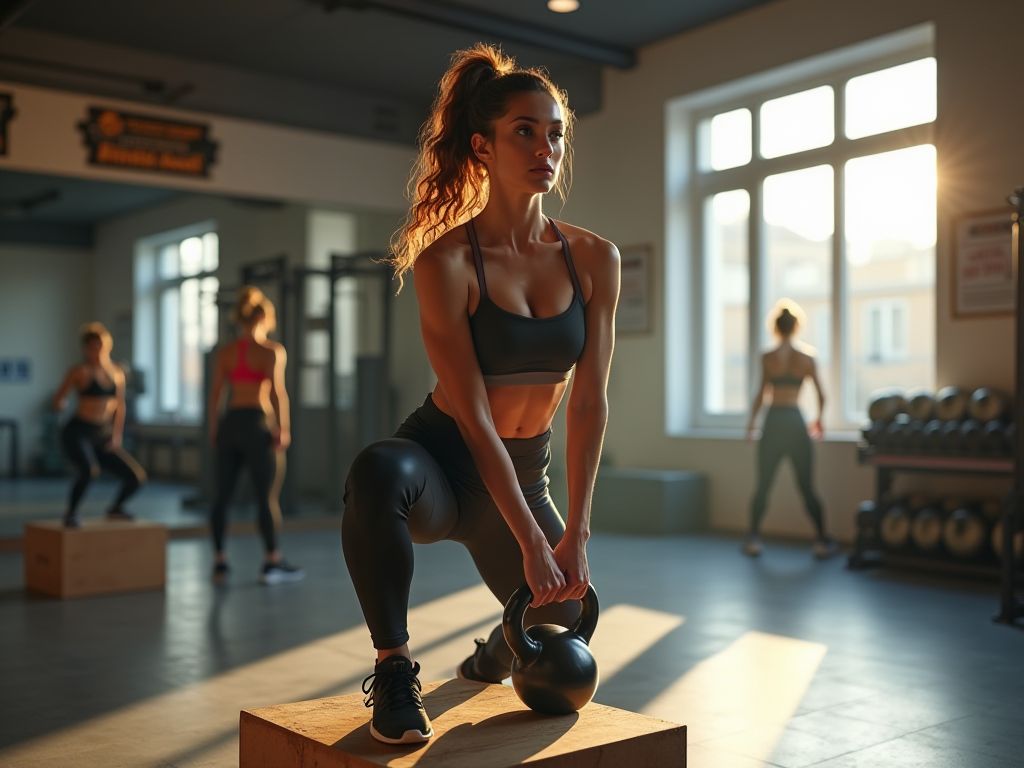
Functional Fitness for Women: A Holistic Approach to Strength, Health, and Well-Being
Functional fitness is more than just a trend—it’s a science-backed approach to training that enhances your ability to perform everyday tasks with ease, reduces the risk of injury, and promotes long-term health. For women, who often juggle multiple roles and face unique physical and hormonal challenges, functional fitness offers a tailored path to strength, resilience, and vitality. This article explores the principles, benefits, and practical strategies for embracing functional fitness as a woman.
What Is Functional Fitness?
Functional fitness focuses on improving the body’s ability to perform movements that mimic real-life activities, such as lifting, pushing, pulling, and balancing. Unlike traditional gym workouts that isolate muscles, functional training emphasizes full-body coordination, stability, and mobility. It integrates exercises that engage multiple muscle groups simultaneously, mirroring the way the body moves in daily life.
Why Functional Fitness Matters for Women
Women often face unique physical challenges, from hormonal fluctuations that affect strength and endurance to the need for injury prevention during pregnancy and menopause. Functional fitness addresses these needs by:
- Enhancing core strength to support posture and prevent back pain.
- Improving balance and coordination to reduce fall risks as we age.
- Building practical strength for tasks like carrying groceries or lifting children.
The 5 Key Components of Functional Fitness
Functional fitness is built on five foundational pillars:
- Mobility: The ability to move joints through their full range of motion.
- Stability: Core strength to maintain proper posture during movement.
- Strength: Power to perform daily tasks without strain.
- Coordination: The synchronization of muscle groups for smooth, efficient movement.
- Flexibility: The ability to stretch and bend without discomfort.
Top Functional Exercises for Women
Here are five exercises that combine practicality and effectiveness for women:
- Squat to Row: Builds lower body strength while engaging the back and shoulders.
- Deadlift: Enhances posterior chain strength and improves posture.
- Push-Up: Strengthens the chest, shoulders, and core for upper-body tasks.
- Plank with Shoulder Tap: Challenges core stability and improves balance.
- Lateral Lunge with Twist: Combines hip mobility with rotational strength for daily activities.
Tailoring Functional Fitness to Women’s Needs
Functional fitness can be adapted to suit different life stages and goals:
- Pregnancy: Focus on low-impact movements like squats, pelvic tilts, and modified planks to support core strength and prepare for labor.
- Menopause: Incorporate weight-bearing exercises to combat bone density loss and hormone-related fatigue.
- Postpartum: Prioritize gentle mobility drills, such as hip openers and core activation, to restore strength safely.
Functional Fitness and Injury Prevention
Women are at higher risk for certain injuries, such as ACL tears during sports or wrist fractures from repetitive tasks. Functional training reduces these risks by:
- Improving joint stability and proprioception (awareness of body position).
- Strengthening muscles that support ligaments and tendons.
- Enhancing flexibility to prevent overuse injuries.
Functional Fitness for Longevity and Aging
As women age, maintaining functional fitness becomes critical for independence. Studies show that older adults who engage in functional training experience:
- Improved balance and reduced fall-related injuries.
- Greater muscle mass and metabolic health.
- Enhanced cognitive function through increased blood flow to the brain.
Functional Fitness and Mental Health
Physical activity is a powerful tool for mental well-being. Functional fitness, with its focus on movement and progress, can:
- Reduce symptoms of anxiety and depression through endorphin release.
- Boost confidence by improving physical capabilities and self-efficacy.
- Provide a sense of accomplishment through measurable improvements in strength and mobility.
How to Start a Functional Fitness Routine
Begin with these steps to build a sustainable routine:
- Assess Your Needs: Identify your goals (e.g., injury prevention, strength, or mobility).
- Consult a Professional: A trainer or physical therapist can tailor exercises to your body’s unique needs.
- Start Simple: Begin with bodyweight exercises and gradually add resistance or complexity.
- Track Progress: Use a journal or app to monitor improvements in strength, flexibility, and endurance.
- Stay Consistent: Aim for 2–3 sessions per week, focusing on quality over quantity.
Frequently Asked Questions (FAQ)
Q1: Can functional fitness help with weight loss?
A: Yes! Functional training increases metabolic rate and burns calories during and after workouts, making it an effective tool for weight management.
Q2: Is functional fitness safe during pregnancy?
A: Absolutely, when modified appropriately. Avoid high-impact movements and focus on controlled, low-intensity exercises.
Q3: How does functional fitness differ from traditional weightlifting?
A: Functional fitness emphasizes movement patterns and real-life applications, while weightlifting often targets isolated muscles with heavy weights.
Q4: Can older women benefit from functional training?
A: Yes! It’s especially valuable for older adults, as it improves balance, strength, and independence.
Q5: Do I need equipment for functional fitness?
A: Not necessarily. Bodyweight exercises like squats, planks, and lunges are highly effective. However, resistance bands, kettlebells, or dumbbells can enhance workouts.
Conclusion: Embrace Functional Fitness for a Stronger, Healthier You
Functional fitness is a transformative approach that empowers women to move with confidence, strength, and resilience. By focusing on real-world movements, it addresses the unique physical and emotional needs of women at every stage of life. Whether you’re a busy mother, an aging adult, or someone seeking to improve your health, functional fitness offers a sustainable, science-backed path to vitality. Start today—your body and mind will thank you.
Scientific References & Medical Evidence
- "Physical exercise in pregnancy: benefits, risks and prescription." (2022) View study on PubMed.gov →
- "Effects of Mindfulness Training and Exercise on Cognitive Function in Older Adults: A Randomized Clinical Trial." (2022) View study on PubMed.gov →
CureCurious verifies facts through peer-reviewed research.
You might also like


Recommended for your journey
We've handpicked this top-rated health tool to help you achieve the results discussed in this article.
Check Price on Amazon*As an Amazon Associate, CureCurious.com earns from qualifying purchases. This helps us keep our research free for everyone.

Written by Mark Davies
Certified Fitness Coach
"Mark is a certified strength and conditioning specialist (CSCS). He helps people build sustainable fitness habits and recover from sports injuries."