Complete Guide To Metabolic Rate Boost For Men
Published on December 22, 2025
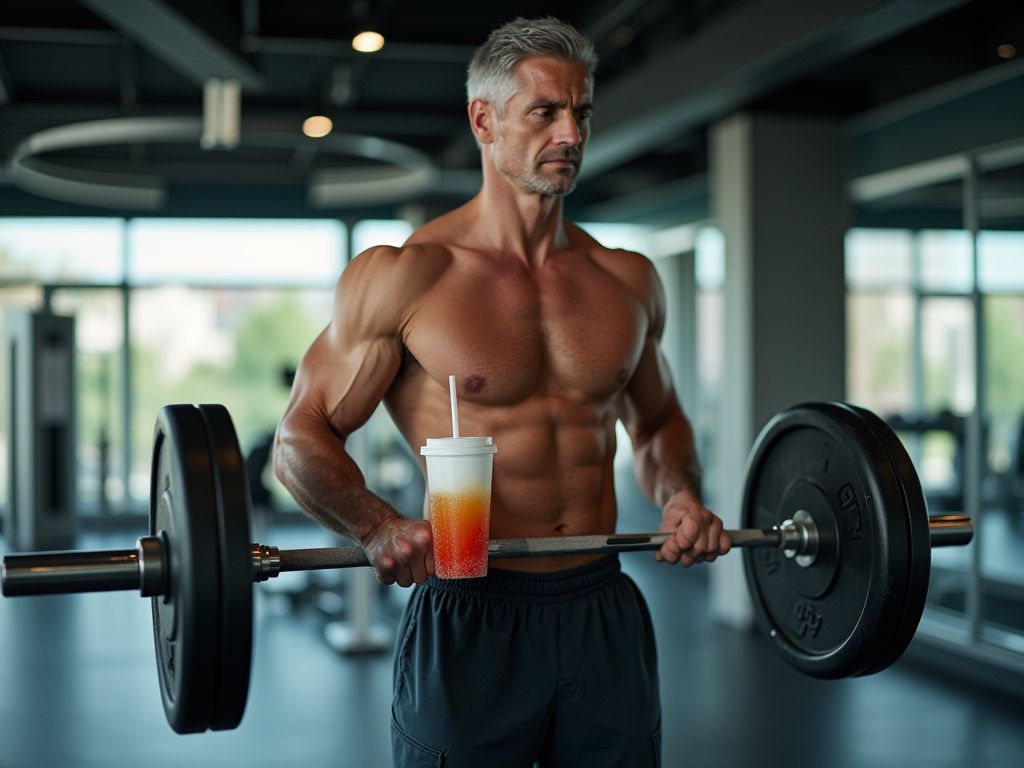
🚀 Boost Your Metabolism Like a Boss: The Complete Guide for Men
Ever feel like your metabolism’s stuck in neutral? You’re not alone. But here’s the good news: with the right hacks, you can turbocharge your metabolic rate and unlock energy, fat loss, and better health. Let’s dive into the science-backed tips that actually work.
1. 💪 Eat More Protein
Protein isn’t just for bodybuilders. It’s a metabolism booster. Studies show protein increases thermogenesis (the calories you burn digesting food) by up to 30%. Aim for 25–30g of protein per meal. Think eggs, chicken, fish, or plant-based options like lentils.
2. 💥 Lift Weights Like It’s Your Job
Muscle = metabolic gold. Strength training builds lean mass, which burns more calories at rest. Hit the gym 3x/week with compound lifts (squats, deadlifts, bench presses). Bonus: it also makes you look shredded.
3. 🔥 Burn Fat with HIIT
High-Intensity Interval Training (HIIT) is a metabolic game-changer. Just 20 minutes of sprints, burpees, or cycling can boost your metabolic rate for hours post-workout. It’s like giving your body a turbo boost.
4. 💧 Hydrate Like a Desert Rat
Dehydration slows metabolism. Drink at least 3 liters of water daily. Cold water might even give your body a tiny extra calorie burn. Pro tip: sip water first thing in the morning to kickstart your day.
5. 🛌 Sleep Like a Baby (or a Bear)
Short sleep = slow metabolism. Aim for 7–9 hours of quality zzzs. Lack of sleep disrupts hormones like leptin and ghrelin, making you hungrier and less efficient at burning calories.
6. ☕ Caffeine Is Your BFF
A cup of black coffee or green tea can temporarily boost metabolism by 3–11%. Just don’t overdo it—stick to 1–2 cups a day. It’s a simple, cheap, and effective hack.
7. 🍎 Eat More Whole Foods
Processed foods are metabolic enemies. Swap refined carbs for whole foods like vegetables, fruits, and whole grains. They’re packed with fiber, which keeps your metabolism humming and your gut happy.
8. 🕒 Try Intermittent Fasting
Fasting windows (like 16:8) can jumpstart fat burning and improve insulin sensitivity. It’s not about starvation—it’s about giving your body a break to repair and optimize.
9. 🧘 Manage Stress Like a Pro
Chronic stress = cortisol = slower metabolism. Practice mindfulness, deep breathing, or yoga. Stress management isn’t just for mental health—it’s a metabolic lifeline.
10. 🎯 Track Progress (and Adjust)
Use a fitness tracker or app to monitor your activity, sleep, and food intake. Data helps you spot patterns and tweak your strategy. Consistency > perfection.
📝 Action Plan: 3 Steps to Kickstart Your Metabolism
- Week 1: Prioritize protein and hydration. Add 3 strength training sessions.
- Week 2: Integrate 2 HIIT workouts and track sleep quality.
- Week 3: Experiment with intermittent fasting and stress management techniques.
Consistency is key. Your metabolism isn’t a magic bullet—it’s a lifestyle. Now, go make those changes and feel the difference!
🔥 Want to Supercharge Your Results?
Consider a metabolic-boosting supplement that supports thermogenesis and energy levels. It could be the extra edge you need to break through plateaus.
Recommended for your journey
We've handpicked this top-rated health tool to help you achieve the results discussed in this article.
Check Price on Amazon*As an Amazon Associate, CureCurious.com earns from qualifying purchases.
📊 Summary: Your Metabolism Game Plan
Boost your metabolic rate with protein, strength training, HIIT, hydration, sleep, caffeine, whole foods, fasting, stress management, and tracking. Small changes = big results. Ready to level up? Let’s go!
Scientific References
- "Metabolic slowing with massive weight loss despite preservation of fat-free mass." (2012) View Study →
- "AGING, HEART RATE VARIABILITY AND METABOLIC IMPACT OF OBESITY." (2019) View Study →



Written by Mark Davies
Certified Fitness Coach
"Mark is a certified strength and conditioning specialist (CSCS). He helps people build sustainable fitness habits and recover from sports injuries."