Complete Gut Immune Connection Dietary Adjustments For Over 50
Published on December 11, 2025
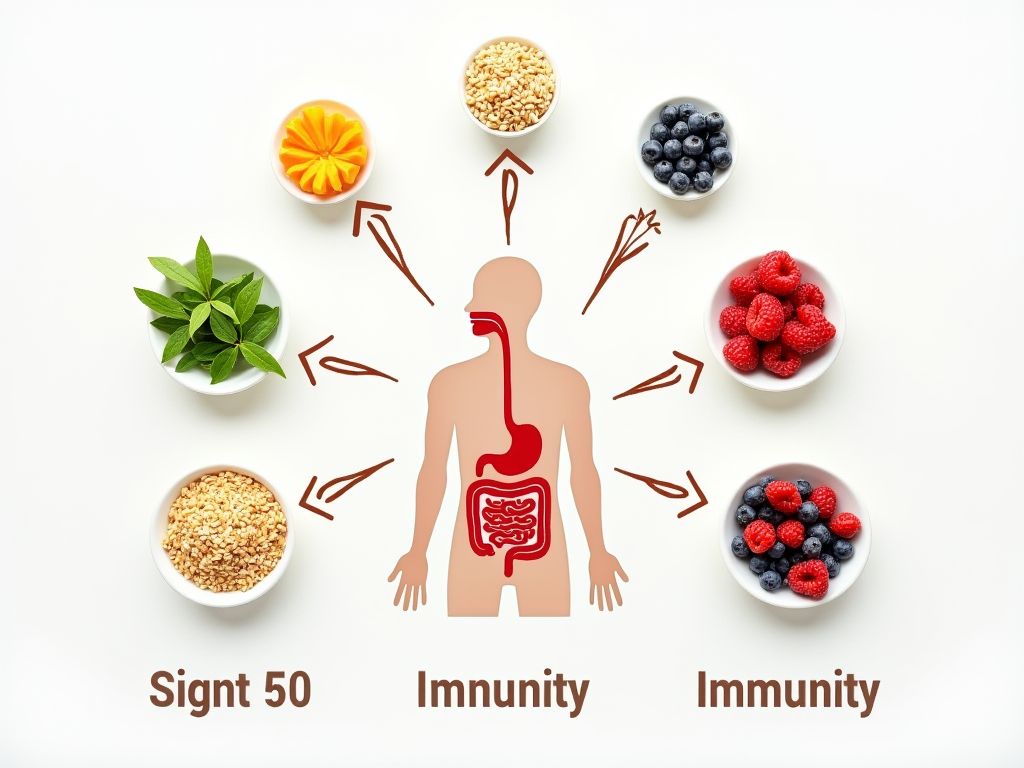
Empowering Immune Health: Dietary Adjustments for Gut-Immune Connection in Adults Over 50
As we age, our immune system undergoes natural changes that can make us more susceptible to infections, chronic diseases, and slower recovery times. However, emerging research highlights a powerful ally in the fight for immune resilience: the gut microbiome. The gut and immune systems are deeply interconnected, with the gut housing approximately 70% of the body’s immune cells. For adults over 50, optimizing this gut-immune connection through targeted dietary adjustments can significantly enhance health outcomes, reduce inflammation, and support longevity. This article explores science-backed strategies to strengthen the gut-immune axis through nutrition.
1. Prioritize Fiber-Rich Foods
Fiber is a cornerstone of gut health, acting as fuel for beneficial gut bacteria that produce short-chain fatty acids (SCFAs). SCFAs, such as butyrate, have anti-inflammatory properties and help regulate immune responses. Adults over 50 should aim for 25–30 grams of dietary fiber daily from sources like:
Partner Content


- Whole grains (e.g., oats, quinoa, brown rice)
- Fruits (e.g., apples, berries, pears)
- Vegetables (e.g., broccoli, carrots, Brussels sprouts)
- Legumes (e.g., lentils, chickpeas, black beans)
Gradually increasing fiber intake and pairing it with adequate hydration can prevent digestive discomfort.
2. Incorporate Probiotics
Probiotics are live microorganisms that support a balanced gut microbiome. Studies show that probiotics can enhance immune function by modulating gut immunity and reducing the risk of infections. Beneficial strains for older adults include:
- Lactobacillus (found in yogurt, kefir, and fermented foods)
- Bifidobacterium (present in fermented vegetables and probiotic supplements)
Consuming probiotic-rich foods daily can help maintain a diverse and resilient gut microbiome.
3. Boost Prebiotic Intake
Prebiotics are non-digestible fibers that feed beneficial gut bacteria. Foods high in prebiotics include:
- Garlic and onions
- Leeks and asparagus
- Whole grains and bananas
Combining prebiotic and probiotic foods creates a “synbiotic” effect, maximizing gut and immune benefits.
4. Stay Hydrated
Proper hydration is critical for maintaining mucosal integrity in the gut, which acts as a barrier against pathogens. Dehydration can lead to constipation and dysbiosis, weakening immune defenses. Adults over 50 should aim for at least 2.5 liters of water daily, adjusting based on activity levels and climate.
5. Optimize Protein Consumption
Adequate protein intake is essential for immune function, as it supports the production of antibodies and immune cells. Lean protein sources like:
- Fish (e.g., salmon, mackerel)
- Chicken and turkey
- Eggs and dairy (e.g., Greek yogurt, cheese)
- Plant-based options (e.g., lentils, tofu, tempeh)
Consuming 1.0–1.2 grams of protein per kilogram of body weight daily can help maintain muscle mass and immune resilience.
6. Embrace Antioxidant-Rich Foods
Antioxidants combat oxidative stress, which contributes to chronic inflammation and immune decline. Focus on:
- Berries (e.g., blueberries, strawberries)
- Leafy greens (e.g., spinach, kale)
- Nuts and seeds (e.g., almonds, chia seeds)
These foods also support gut health by reducing inflammation and promoting a balanced microbiome.
7. Increase Omega-3 Fatty Acids
Omega-3s have anti-inflammatory properties that benefit both the gut and immune system. Sources include:
- Fatty fish (e.g., salmon, sardines)
- Flaxseeds and chia seeds
- Walnuts and algae-based supplements
Aim for 250–500 mg of combined EPA and DHA daily to support immune regulation and gut barrier function.
8. Reduce Processed and Sugary Foods
Processed foods high in refined sugars, trans fats, and artificial additives can disrupt gut microbiota and increase systemic inflammation. Limiting these foods helps prevent:
- Leaky gut syndrome
- Chronic low-grade inflammation
- Increased susceptibility to infections
Replace processed snacks with whole foods like nuts, seeds, and fresh fruit.
9. Consume Fermented Foods Regularly
Fermented foods like kimchi, sauerkraut, miso, and kombucha are rich in probiotics and bioactive compounds that enhance gut-immune communication. Regular consumption can improve:
- Microbial diversity
- Immune cell activation
- Digestive health
Choose unpasteurized, naturally fermented options for maximum benefits.
10. Avoid Alcohol and Tobacco
Excessive alcohol consumption and smoking damage the gut lining, impair immune function, and alter microbiota composition. For adults over 50, moderation is key:
- Limit alcohol to no more than one drink per day for women and two for men
- Quit smoking to reduce inflammation and oxidative stress
Frequently Asked Questions (FAQ)
Q: How long does it take to see improvements in gut-immune health after dietary changes?
A: Gut microbiota can begin shifting within days, but noticeable improvements in immune markers (e.g., reduced inflammation, better digestion) may take 4–8 weeks with consistent dietary adjustments.
Q: Are probiotic supplements necessary, or can I get enough from food?
A: For most adults, food-based sources are sufficient. However, supplements may be beneficial for those with dysbiosis or digestive issues. Consult a healthcare provider before starting supplements.
Q: Can I follow a plant-based diet and still support my gut-immune health?
A: Yes, but ensure adequate protein, B12, and omega-3 intake through fortified foods or supplements. Include a variety of whole plant foods to promote microbial diversity.
Q: What if I have food sensitivities or digestive issues?
A: Work with a registered dietitian to identify trigger foods and tailor a diet that supports gut health without exacerbating symptoms.
Conclusion: Nourish Your Gut, Empower Your Immune System
For adults over 50, the gut-immune connection offers a powerful opportunity to enhance health and quality of life through nutrition. By prioritizing fiber, probiotics, hydration, and anti-inflammatory foods while avoiding harmful substances, you can foster a resilient gut microbiome and a robust immune system. Small, consistent changes in diet can yield profound long-term benefits. Always consult healthcare professionals to personalize these strategies and address individual health needs.
Scientific References & Medical Evidence
- "Amyloid-β-driven Alzheimer's disease reshapes the colonic immune system in mice." (2025) View study on PubMed.gov →
CureCurious verifies facts through peer-reviewed research.
You might also like
Recommended for your journey
We've handpicked this top-rated health tool to help you achieve the results discussed in this article.
Check Price on Amazon*As an Amazon Associate, CureCurious.com earns from qualifying purchases. This helps us keep our research free for everyone.

Written by Dr. Sarah Mitchell
Nutrition Expert & MD
"Dr. Sarah Mitchell is a board-certified nutritionist with over 15 years of experience in clinical dietetics. She specializes in metabolic health and gut microbiome research."