Comprehensive Dementia Prevention Dietary Adjustments
Published on December 14, 2025
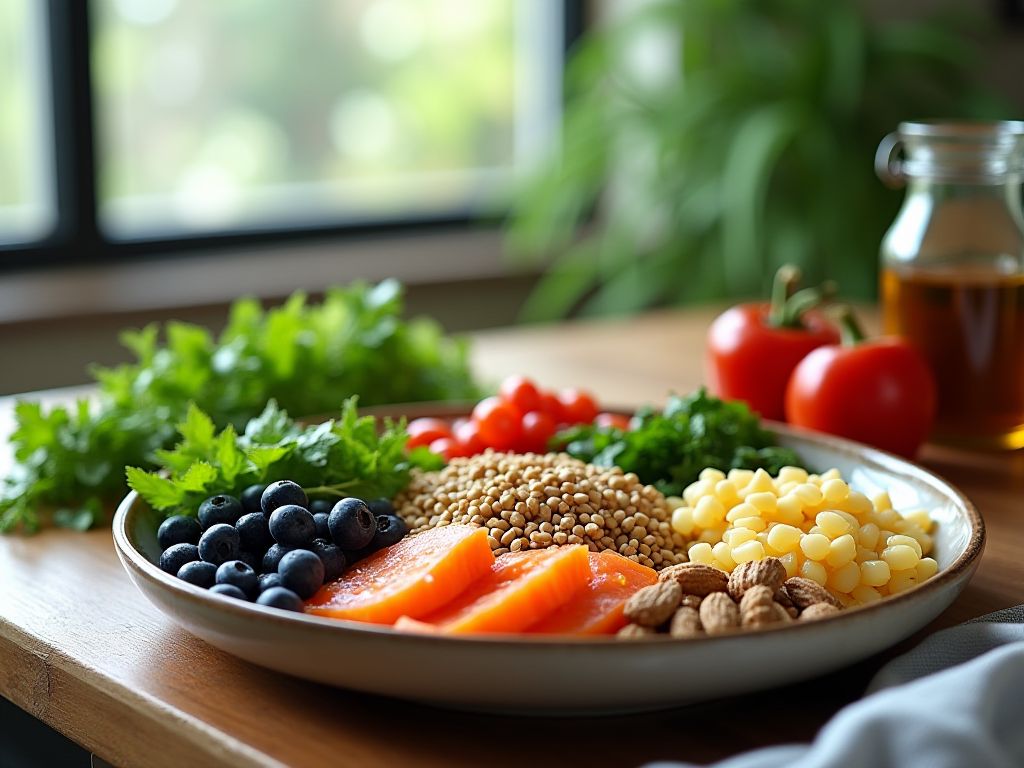
Comprehensive Dementia Prevention: The Power of Dietary Adjustments
Dementia, a growing global health challenge, affects millions of people worldwide. While no single factor guarantees prevention, emerging research underscores the profound impact of diet on brain health. By making strategic dietary adjustments, individuals can significantly reduce their risk of cognitive decline. This article explores science-backed strategies to optimize nutrition for dementia prevention, focusing on whole foods, key nutrients, and lifestyle integration.
1. Prioritize Whole Foods Over Processed Alternatives
Processed foods high in sugar, trans fats, and refined carbohydrates contribute to inflammation and oxidative stress—key drivers of neurodegeneration. Conversely, whole foods like fruits, vegetables, whole grains, and lean proteins provide essential nutrients that support brain function. For example, leafy greens like spinach and kale are rich in folate and vitamin K, which help maintain cognitive health.
2. Embrace the Mediterranean Diet
The Mediterranean diet, renowned for its cardiovascular benefits, is also a powerful tool for dementia prevention. It emphasizes olive oil, nuts, fish, legumes, and moderate red wine consumption. Studies show that adherence to this diet can reduce the risk of Alzheimer’s disease by up to 33%, likely due to its anti-inflammatory and antioxidant properties.
3. Incorporate Brain-Boosting Antioxidants
Antioxidants combat free radicals that damage brain cells. Berries (blueberries, strawberries), dark chocolate, and nuts are excellent sources of flavonoids and polyphenols. These compounds improve blood flow to the brain and enhance neural communication, reducing the risk of age-related cognitive decline.
4. Increase Omega-3 Fatty Acid Intake
Omega-3 fatty acids, particularly EPA and DHA, are critical for brain structure and function. Found in fatty fish (salmon, mackerel), flaxseeds, and walnuts, these fats reduce inflammation and support neuronal integrity. Research links higher omega-3 intake to slower cognitive decline and lower dementia risk.
5. Optimize B-Vitamin Consumption
Vitamins B6, B9 (folate), and B12 play a vital role in homocysteine regulation. Elevated homocysteine levels are associated with increased dementia risk. Foods like eggs, fortified cereals, and leafy greens can help maintain healthy levels. Supplementation may be beneficial for those with deficiencies, but consult a healthcare provider first.
6. Stay Hydrated for Cognitive Clarity
Dehydration can impair concentration, memory, and mood. The brain is 75% water, so consistent hydration is essential. Aim for 8–10 glasses of water daily, and limit diuretics like caffeine and alcohol. Herbal teas and water-rich foods (cucumbers, watermelon) also contribute to hydration.
7. Reduce Sodium Intake to Protect Brain Health
High sodium consumption is linked to hypertension, which damages cerebral blood vessels. The World Health Organization recommends less than 5 grams of salt per day. Use herbs and spices instead of salt to flavor meals, and avoid processed foods like canned soups and deli meats.
8. Adopt a Plant-Based Diet for Long-Term Brain Health
Plant-based diets rich in fiber, phytochemicals, and antioxidants may lower dementia risk by reducing inflammation and improving gut-brain axis function. Legumes, whole grains, and a variety of vegetables should form the foundation of such diets. However, ensure adequate intake of vitamin B12 and omega-3s through fortified foods or supplements.
9. Practice Intermittent Fasting for Metabolic Benefits
Intermittent fasting (e.g., 16:8 or 5:2 protocols) may enhance brain health by promoting autophagy—the cellular cleanup process that removes toxic proteins linked to dementia. While not a substitute for a balanced diet, fasting can complement nutritional strategies and improve insulin sensitivity, which is crucial for cognitive function.
10. Limit Alcohol and Sugar for Cognitive Preservation
Excessive alcohol consumption damages brain cells and increases dementia risk. Moderation (up to one drink per day for women, two for men) is advised. Similarly, high sugar intake contributes to insulin resistance and inflammation. Replace sugary snacks with nutrient-dense options like almonds, yogurt, or fruit.
Frequently Asked Questions (FAQ)
- Q: Is the MIND diet effective for dementia prevention?
A: Yes. The MIND diet (Mediterranean-DASH Intervention for Neurodegenerative Delay) combines elements of the Mediterranean and DASH diets, focusing on 10 brain-healthy foods. Studies show it can reduce dementia risk by up to 53% when followed moderately.
- Q: How much omega-3 do I need daily?
A: The American Heart Association recommends 250–500 mg of combined EPA and DHA daily for general health. Higher doses may be needed for those at high risk of dementia, but consult a healthcare provider before supplementing.
- Q: Are plant-based diets better than omnivorous diets for brain health?
A: Plant-based diets can be highly beneficial if well-planned, but omnivorous diets can also support brain health with proper nutrient balance. Both approaches should emphasize whole, unprocessed foods and limit harmful additives.
- Q: Can dietary supplements replace whole foods in dementia prevention?
A: No. Whole foods provide a complex matrix of nutrients, phytochemicals, and fiber that supplements cannot replicate. Use supplements only to address specific deficiencies, not as a primary strategy.
Conclusion: Small Changes, Lifelong Benefits
Preventing dementia is not about drastic overhauls but consistent, science-backed choices. By adopting a nutrient-rich, anti-inflammatory diet, individuals can safeguard their cognitive health for decades. Whether through embracing the MIND diet, boosting omega-3 intake, or staying hydrated, each adjustment contributes to a brain that remains sharp, resilient, and vibrant. Start today—your future self will thank you.
Scientific References & Medical Evidence
- "Vegetarian and vegan diets: benefits and drawbacks." (2023) View study on PubMed.gov →
- "Diet in the Prevention of Alzheimer's Disease: Current Knowledge and Future Research Requirements." (2022) View study on PubMed.gov →
CureCurious verifies facts through peer-reviewed research.
You might also like


Recommended for your journey
We've handpicked this top-rated health tool to help you achieve the results discussed in this article.
Check Price on Amazon*As an Amazon Associate, CureCurious.com earns from qualifying purchases. This helps us keep our research free for everyone.

Written by Dr. Sarah Mitchell
Nutrition Expert & MD
"Dr. Sarah Mitchell is a board-certified nutritionist with over 15 years of experience in clinical dietetics. She specializes in metabolic health and gut microbiome research."