Comprehensive Healthy Meal Prep Safety Considerations For Women
Published on December 14, 2025
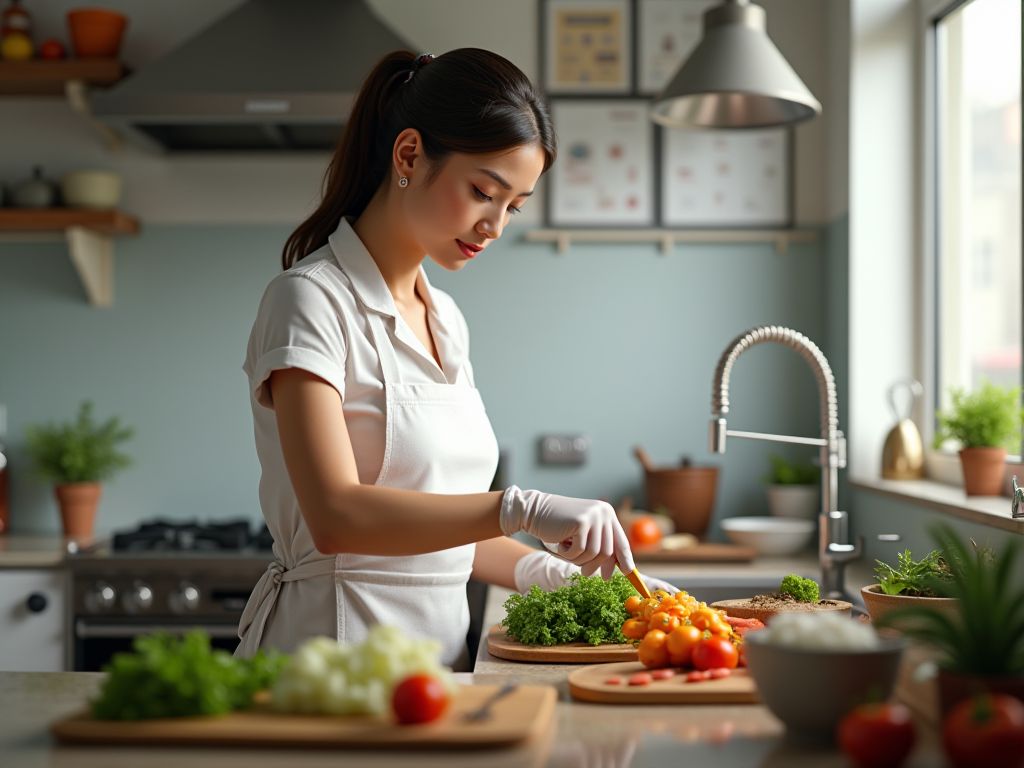
Comprehensive Healthy Meal Prep Safety Considerations for Women
Meal prepping is a powerful strategy for maintaining a balanced diet, saving time, and supporting long-term health. However, for women—particularly those with unique health needs, hormonal fluctuations, or caregiving responsibilities—it’s crucial to prioritize safety during the meal prep process. This article explores science-backed strategies to ensure your meal prep is not only nutritious but also safe and sustainable.
1. Cross-Contamination Prevention
Cross-contamination occurs when bacteria from raw foods (e.g., meat, poultry, seafood) transfer to ready-to-eat items. For women, this is especially critical due to higher susceptibility to foodborne illnesses, particularly during pregnancy or post-menopause. To prevent this:
- Use separate cutting boards and utensils for raw meats and vegetables.
- Store raw proteins in sealed containers on the bottom shelf of the refrigerator.
- Wash hands, surfaces, and tools with soap and water after handling raw ingredients.
2. Temperature Control for Food Safety
Pathogens thrive in the "danger zone" (40°F to 140°F). Women should ensure:
- Refrigerate leftovers within two hours of cooking.
- Use a food thermometer to verify safe internal temperatures (e.g., 165°F for poultry, 145°F for whole fish).
- Reheat leftovers to at least 165°F before consumption.
3. Proper Storage Techniques
Improper storage can lead to nutrient loss and bacterial growth. Key tips:
- Use airtight containers to preserve freshness and prevent odors.
- Label and date meals to track freshness (e.g., "Use by: 3/15").
- Freeze meals in portion-sized containers for easy thawing and reheating.
4. Hygiene Practices for Women’s Health
Women’s health often requires extra attention to hygiene, especially during menstruation or pregnancy. Ensure:
- Wash hands thoroughly before handling food and after using the restroom.
- Disinfect countertops and appliances regularly with food-safe sanitizers.
- Avoid touching your face or hair while preparing meals.
5. Knife Safety for Injury Prevention
Kitchen injuries are common, but proper technique can minimize risks. Consider:
- Use a stable cutting board and keep fingers curled under while chopping.
- Choose ergonomic knives with non-slip handles to reduce strain.
- Store knives in a block or drawer to prevent accidents.
6. Safe Handling of High-Risk Foods
Women, especially those with weakened immune systems, should avoid:
- Undercooked eggs or meats (e.g., raw cookie dough, rare steaks).
- Raw or undercooked seafood (high risk of mercury and parasites).
- Unpasteurized dairy products (risk of Listeria or E. coli).
7. Avoiding Hormone-Disrupting Ingredients
Certain ingredients may interfere with hormonal balance. Opt for:
- Organic produce to reduce exposure to pesticides.
- Non-GMO soy products (e.g., tofu) to avoid phytoestrogens in excess.
- Filtered water to minimize exposure to endocrine-disrupting chemicals.
8. Managing Allergies and Sensitivities
Women with food allergies or sensitivities (e.g., gluten, dairy) must take extra precautions:
- Read labels carefully for hidden allergens (e.g., "may contain traces of nuts").
- Use separate utensils and cookware for allergen-free meals.
- Communicate clearly with others if sharing meal prep spaces.
9. Safe Use of Kitchen Equipment
Proper use of appliances and tools reduces injury risks. Tips include:
- Use oven mitts when handling hot pots or pans.
- Ensure microwave-safe containers are used for reheating.
- Regularly inspect knives, cutting boards, and appliances for wear or damage.
10. Mental Health and Stress Management
Meal prep can be stressful, especially for women juggling multiple roles. Strategies to stay safe and sane:
- Plan meals in advance to reduce last-minute decisions.
- Involve family members or roommates in the process.
- Take breaks to avoid fatigue and maintain focus on safety protocols.
Frequently Asked Questions
Q: Are there specific foods women should avoid during pregnancy?
A: Yes. Pregnant women should avoid raw or undercooked meat, unpasteurized dairy, high-mercury fish (e.g., shark, swordfish), and deli meats unless heated to 165°F.
Q: How long can prepped meals be stored safely?
A: In the refrigerator, most meals last 3–4 days. In the freezer, they can be stored for 2–6 months, depending on the ingredients.
Q: What’s the best way to handle knife injuries?
A: Apply direct pressure to stop bleeding, clean the wound with soap and water, and seek medical attention if needed. Keep a first-aid kit nearby for emergencies.
Conclusion
Healthy meal prep is a cornerstone of wellness, but it requires attention to safety at every step. By prioritizing cross-contamination prevention, temperature control, proper storage, and mindful ingredient choices, women can create meals that are not only nutritious but also safe for themselves and their families. Remember, small habits today can lead to lifelong health benefits. Stay informed, stay safe, and nourish your body with confidence!
Scientific References & Medical Evidence
- "Nutritional Status of Breastfeeding Mothers and Impact of Diet and Dietary Supplementation: A Narrative Review." (2024) View study on PubMed.gov →
- "The role of diet in managing menopausal symptoms: A narrative review." (2023) View study on PubMed.gov →
CureCurious verifies facts through peer-reviewed research.
You might also like


Recommended for your journey
We've handpicked this top-rated health tool to help you achieve the results discussed in this article.
Check Price on Amazon*As an Amazon Associate, CureCurious.com earns from qualifying purchases. This helps us keep our research free for everyone.

Written by Dr. Sarah Mitchell
Nutrition Expert & MD
"Dr. Sarah Mitchell is a board-certified nutritionist with over 15 years of experience in clinical dietetics. She specializes in metabolic health and gut microbiome research."