Deep Sleep Techniques For Energy
Published on December 13, 2025
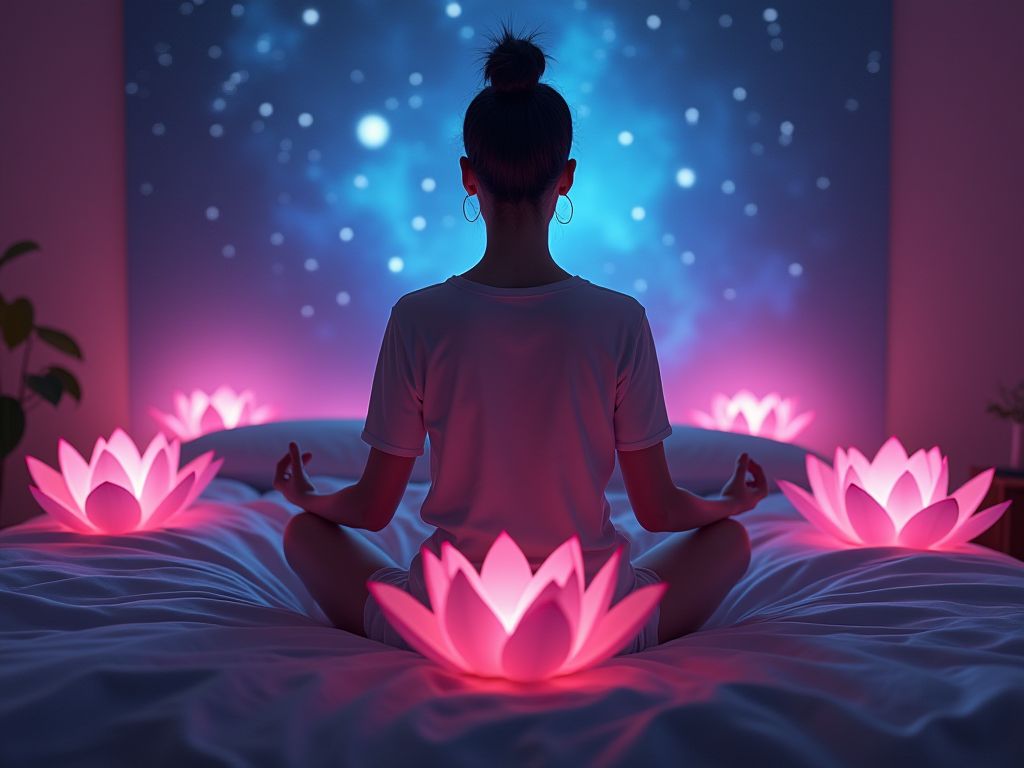
Unlocking Energy Through Deep Sleep: Science-Backed Techniques to Transform Your Rest
Deep sleep is the cornerstone of physical recovery, mental clarity, and sustained energy. Yet, modern lifestyles often leave us sleep-deprived or fragmented in our rest. This article explores 10 evidence-based techniques to enhance deep sleep quality, helping you wake up refreshed, focused, and powered for the day. Whether you're a busy parent, a student, or a professional, these strategies are designed to fit into your life while aligning with the science of sleep.
1. Prioritize Consistent Sleep Schedules
Going to bed and waking up at the same time daily regulates your circadian rhythm, the body’s internal clock that governs deep sleep. A study in Current Biology found that irregular sleep schedules disrupt melatonin production, reducing the amount of time spent in deep sleep (stages 3 and 4). Aim for 7-9 hours of sleep, and stick to your schedule even on weekends.
Partner Content


2. Optimize Your Bedroom Environment
Create a sleep-conducive space by keeping your bedroom cool (around 65°F or 18°C), dark, and quiet. Research from the Journal of Clinical Sleep Medicine shows that cooler temperatures enhance deep sleep by mimicking the body’s natural drop in core temperature during rest. Use blackout curtains, earplugs, and white noise machines if needed.
3. Limit Blue Light Exposure Before Bed
Exposure to blue light from screens (phones, computers, TVs) suppresses melatonin, the hormone that signals sleep. A 2021 study in npj Digital Medicine found that avoiding screens for 1 hour before bed increases deep sleep by up to 25%. Replace screen time with reading, meditation, or gentle stretching instead.
4. Practice the 4-7-8 Breathing Technique
This simple method, popularized by Dr. Andrew Weil, reduces stress and promotes relaxation. Inhale for 4 seconds, hold for 7, then exhale for 8. Repeating this cycle for 4 minutes before bed can lower cortisol levels and ease the transition into deep sleep.
5. Incorporate Relaxation Techniques
Progressive muscle relaxation, guided imagery, or yoga nidra can reduce anxiety and prepare your body for sleep. A meta-analysis in Frontiers in Psychology found that relaxation techniques increase deep sleep duration by up to 15 minutes per night, improving overall energy levels.
6. Avoid Stimulants and Heavy Meals Close to Bedtime
Caffeine, nicotine, and alcohol disrupt sleep architecture. Caffeine’s half-life is 5-6 hours, meaning a cup of coffee at 4 PM may still affect your sleep. Similarly, heavy meals can cause indigestion, making it harder to fall into deep sleep. Aim to finish eating 2-3 hours before bed.
7. Use the Right Mattress and Pillow
Your sleep surface plays a critical role in rest quality. A 2022 study in Sleep Health found that medium-firm mattresses support spinal alignment better, promoting deeper sleep. Pair this with a pillow that keeps your neck neutral—avoiding overly soft or hard options.
8. Engage in Regular Physical Activity
Exercise boosts deep sleep by improving cardiovascular health and reducing stress. However, avoid vigorous workouts 2-3 hours before bed, as they can elevate adrenaline levels. Opt for low-intensity activities like walking or yoga in the evening instead.
9. Manage Stress Through Mindfulness
Chronic stress fragments sleep and reduces deep sleep duration. Mindfulness meditation, even for 10 minutes daily, can improve sleep quality by 10-20%, according to a 2020 study in JAMA Internal Medicine. Apps like Headspace or Calm offer guided sessions tailored to sleep.
10. Consider Natural Sleep Aids
Herbal remedies like valerian root, chamomile, or magnesium supplements have been shown to enhance deep sleep in clinical trials. Always consult a healthcare provider before starting new supplements, and avoid over-the-counter sleep aids, which can cause dependency.
Frequently Asked Questions
- How long should I nap to avoid disrupting nighttime sleep?
Naps under 20 minutes (called “power naps”) are ideal. Longer naps may interfere with your sleep cycle, reducing deep sleep at night. - What should I do if I can’t fall asleep?
If you’re awake for more than 20 minutes, leave your bed and do a quiet activity (e.g., reading) until you feel sleepy. Avoid checking the clock, as this increases anxiety. - Does alcohol help me sleep better?
While alcohol may make you fall asleep faster, it reduces deep sleep and increases fragmented rest. It’s best to avoid alcohol 3-4 hours before bed. - Is napping bad for my health?
Napping isn’t inherently harmful if done correctly. However, long or late naps can reduce nighttime sleep quality. Keep naps short and early in the day.
Conclusion: Transform Your Sleep, Transform Your Energy
Deep sleep isn’t a luxury—it’s a necessity for energy, focus, and long-term health. By implementing these techniques, you’ll not only improve your sleep quality but also unlock the vitality needed to thrive in your daily life. Small, consistent changes today can lead to profound results tomorrow. Prioritize your rest, and watch your energy levels soar.
Scientific References & Medical Evidence
- "Biological Mechanisms of Sleep/Wake-Related Function." (2025) View study on PubMed.gov →
- "Clues to the functions of mammalian sleep." (2005) View study on PubMed.gov →
CureCurious verifies facts through peer-reviewed research.
You might also like
Recommended for your journey
We've handpicked this top-rated health tool to help you achieve the results discussed in this article.
Check Price on Amazon*As an Amazon Associate, CureCurious.com earns from qualifying purchases. This helps us keep our research free for everyone.

Written by Marcus Thorne
Sleep Hygiene Specialist
"Marcus helps people overcome insomnia and optimize their circadian rhythms. He believes that deep sleep is the foundation of all health."