Deep Sleep Techniques For Energy With Exercise Routine
Published on December 11, 2025
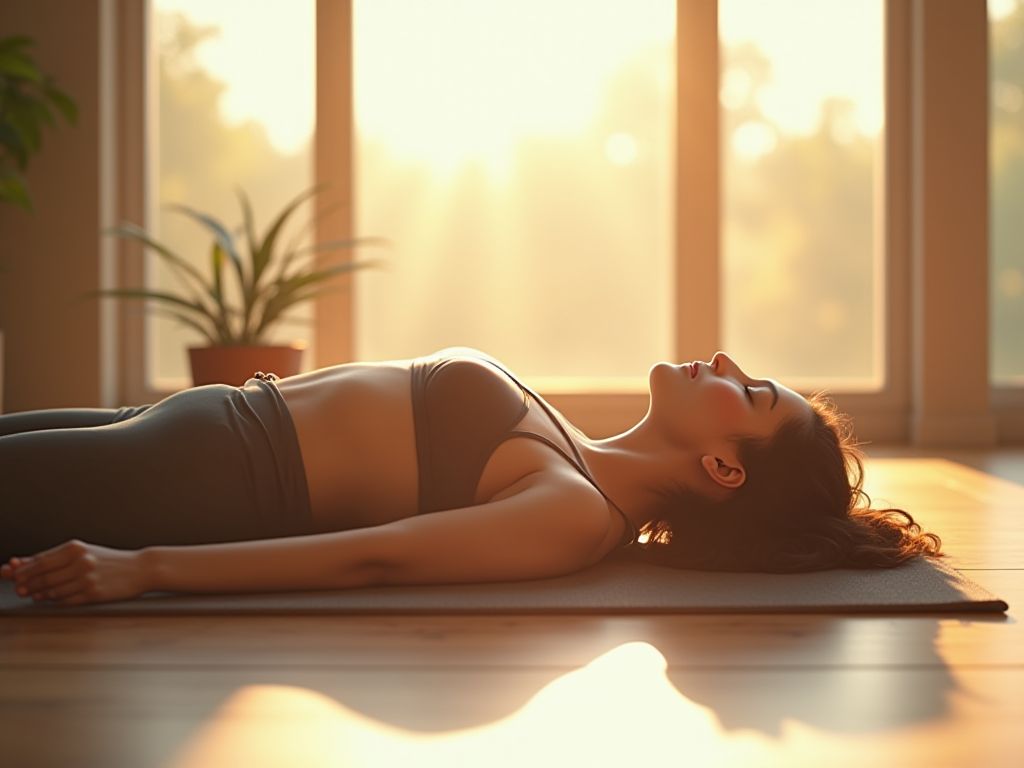
Unlocking Vitality: Deep Sleep Techniques and Exercise Routines for Energy
Feeling sluggish despite a full night’s rest? The secret to waking up refreshed and energized lies in mastering deep sleep and pairing it with the right exercise routine. Scientific research shows that quality sleep and physical activity are intertwined, each enhancing the other. In this article, we’ll explore science-backed techniques to boost deep sleep and a tailored workout plan to amplify your energy levels. Let’s dive in.
1. Understanding Deep Sleep and Its Role in Energy
Deep sleep, also known as slow-wave sleep, is crucial for physical recovery, memory consolidation, and hormonal balance. During this phase, your body repairs tissues, strengthens the immune system, and regulates metabolism. Lack of deep sleep can lead to fatigue, poor concentration, and even chronic health issues. Prioritizing this stage is key to sustained energy.
2. Optimize Your Sleep Environment
Create a sleep-conducive space by:
- Keeping the room dark: Use blackout curtains or a sleep mask to block light, which suppresses melatonin production.
- Controlling temperature: Aim for a cool room (around 65°F or 18°C) to promote restful sleep.
- Reducing noise: Use earplugs or a white noise machine to drown out disturbances.
3. Establish a Consistent Sleep Schedule
Going to bed and waking up at the same time daily, even on weekends, helps regulate your circadian rhythm. This consistency signals to your body that it’s time to wind down and prepare for deep sleep. Avoid napping during the day, especially in the late afternoon, to ensure you’re tired enough for nighttime rest.
4. Limit Stimulants and Alcohol
Consuming caffeine, nicotine, or alcohol close to bedtime disrupts deep sleep. Caffeine’s effects can linger for up to 6 hours, while alcohol may initially induce drowsiness but fragments sleep later. Replace stimulants with herbal teas like chamomile or valerian root to promote relaxation.
5. Practice Relaxation Techniques Before Bed
Stress and anxiety are major barriers to deep sleep. Techniques like:
- Progressive muscle relaxation: Tense and release each muscle group from head to toe to relieve physical tension.
- Meditation or mindfulness: Focus on your breath or use guided apps to calm the mind.
- Journaling: Write down worries or to-do lists to clear your mind before sleep.
6. Incorporate Breathing Exercises for Sleep
Deep breathing techniques like the 4-7-8 method (inhale for 4 seconds, hold for 7, exhale for 8) activate the parasympathetic nervous system, promoting relaxation. Try this for 5–10 minutes before bed to ease into sleep and improve sleep quality.
7. Exercise Strategically for Better Sleep
Regular physical activity enhances deep sleep, but timing matters. Aim for:
- Morning or afternoon workouts: Exercise earlier in the day increases sleep duration and quality.
- Avoid vigorous activity 3–4 hours before bed: This prevents overstimulation of the nervous system.
8. Sample Exercise Routine for Energy and Sleep
Here’s a balanced routine to boost energy and support deep sleep:
- Warm-up (5 minutes): Light stretching, brisk walking, or dynamic movements like arm circles and leg swings.
- Strength Training (20 minutes): Focus on compound exercises (e.g., squats, push-ups) to build endurance and release endorphins.
- Cardio (15 minutes): Choose low-impact activities like cycling, swimming, or dancing to elevate your heart rate.
- Cool-down (5 minutes): Gentle yoga poses or deep breathing to transition your body into relaxation mode.
9. The Role of Nutrition in Sleep and Energy
What you eat impacts your sleep and energy levels. Prioritize:
- Complex carbohydrates: Oats, quinoa, and sweet potatoes provide sustained energy and support melatonin production.
- Lean proteins: Eggs, fish, and tofu aid muscle repair and prevent nighttime hunger.
- Magnesium-rich foods: Nuts, seeds, and leafy greens help regulate sleep cycles and reduce stress.
10. Track Your Progress for Continuous Improvement
Use a sleep tracker or journal to monitor your sleep patterns, energy levels, and exercise performance. Look for trends—e.g., improved deep sleep after a week of consistent workouts. Adjust your routine based on these insights to create a personalized plan for lasting vitality.
FAQ: Deep Sleep and Energy with Exercise
Q: How much sleep do I need for deep sleep?
A: Adults typically need 7–9 hours of sleep per night. Aim for 1.5–2 hours of deep sleep, which occurs during the first half of the night.
Q: Can exercise help with insomnia?
A: Yes, regular moderate exercise improves sleep quality and reduces insomnia symptoms. However, avoid vigorous workouts too close to bedtime.
Q: What’s the best time to exercise for energy and sleep?
A: Morning or afternoon workouts are ideal. Evening exercises should be low-intensity and completed at least 3 hours before bed.
Conclusion: Reclaim Your Energy Through Sleep and Movement
Deep sleep and exercise are powerful allies in the quest for sustained energy. By optimizing your sleep environment, practicing relaxation techniques, and following a strategic workout routine, you can transform your mornings and nights. Remember, consistency is key—small changes today lead to profound improvements tomorrow. Prioritize rest, move your body, and awaken to a life of vitality. You’ve got this!
Scientific References & Medical Evidence
- "Diagnosis and Treatment of Parkinson Disease: A Review." (2020) View study on PubMed.gov →
- "The effect of caffeine on subsequent sleep: A systematic review and meta-analysis." (2023) View study on PubMed.gov →
CureCurious verifies facts through peer-reviewed research.
You might also like


Recommended for your journey
We've handpicked this top-rated health tool to help you achieve the results discussed in this article.
Check Price on Amazon*As an Amazon Associate, CureCurious.com earns from qualifying purchases. This helps us keep our research free for everyone.

Written by Mark Davies
Certified Fitness Coach
"Mark is a certified strength and conditioning specialist (CSCS). He helps people build sustainable fitness habits and recover from sports injuries."