Early Warning Signs Caused By Hormonal Acne Triggers And Environmental Toxins
Published on December 16, 2025
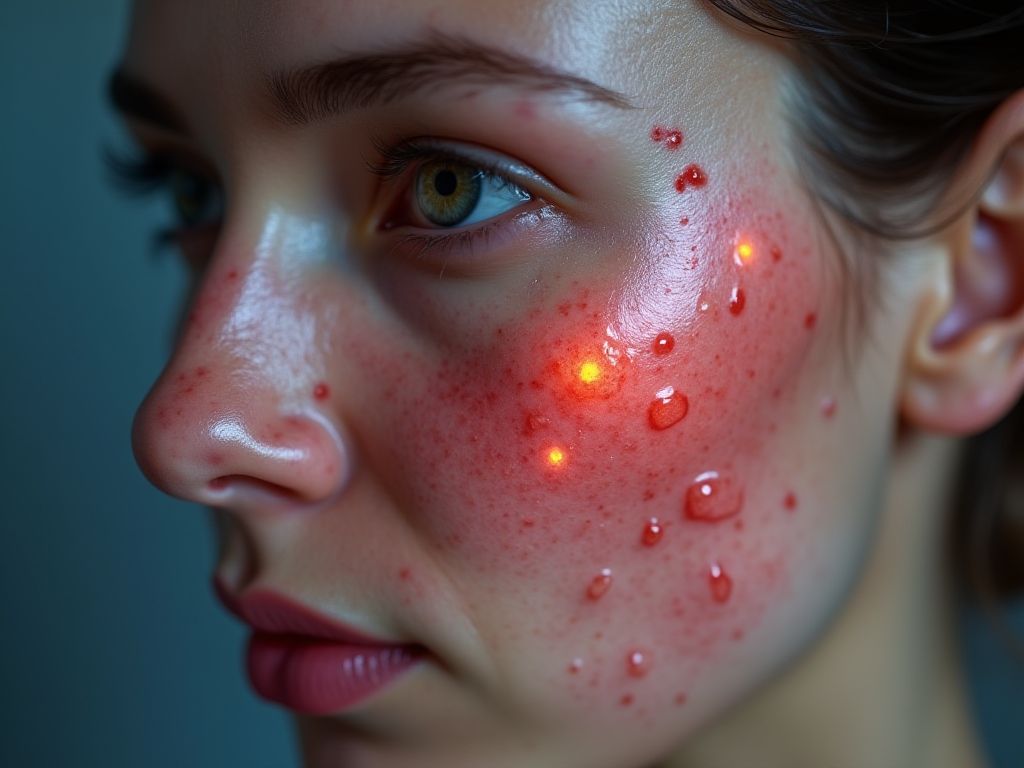
Understanding Early Warning Signs of Hormonal Acne and Environmental Toxins
Hormonal acne and environmental toxins are two often-overlooked culprits behind persistent skin issues. While occasional breakouts are common, recurring or severe acne may signal deeper imbalances. This article explores the science behind hormonal triggers and environmental toxins, highlighting early warning signs that can help you take proactive steps to protect your skin and overall health.
1. Hormonal Imbalances: A Silent Culprit
Hormonal fluctuations, particularly in androgens (like testosterone) and estrogens, can dramatically increase sebum production. Excess oil clogs pores, creating an ideal environment for acne-causing bacteria. Early signs include:
- Unexpected breakouts around the jawline, chin, or forehead.
- Deep, painful pimples that appear suddenly.
- Irregular menstrual cycles or mood swings (for women).
2. Environmental Toxins: The Hidden Aggravators
Endocrine disruptors—chemicals like BPA, phthalates, and parabens—mimic hormones and interfere with skin health. Early signs of exposure include:
- Unexplained dryness or irritation despite proper skincare.
- Increased sensitivity to sun or heat.
- Dark under-eye circles or uneven pigmentation.
3. Increased Oil Production: A Red Flag
Excess sebum is a hallmark of hormonal acne. If your skin feels greasy more frequently, especially in areas like the T-zone, it may signal elevated androgen levels or toxin exposure.
4. Changes in Skin Texture
Environmental toxins can damage the skin barrier, leading to:
- Thinning skin or increased visibility of pores.
- Uneven texture with rough patches or dry, flaky areas.
5. Persistent Inflammation
Chronic inflammation from toxins or hormonal imbalances may manifest as:
- Red, swollen pimples that don’t respond to over-the-counter treatments.
- Acne scars forming quickly after breakouts.
6. Hormonal Fluctuations and Stress
Chronic stress raises cortisol levels, which can worsen acne. Early signs include:
- Breakouts around the mouth or cheeks.
- Fatigue or irritability alongside skin issues.
7. Emotional Symptoms: Beyond the Skin
Environmental toxins and hormonal imbalances can impact mental health, with early signs like:
- Depression or anxiety without an obvious cause.
- Difficulty concentrating or memory lapses.
8. The Role of Diet and Gut Health
Processed foods, sugar, and gut dysbiosis can exacerbate hormonal acne. Early signs include:
- Bloating or digestive issues after eating certain foods.
- Acne flares after consuming dairy or high-glycemic foods.
9. Skincare Product Reactions
Some skincare ingredients, like sulfates or synthetic fragrances, can trigger acne. Watch for:
- Breakouts after using new products.
- Itching or burning on the skin.
10. Lifestyle Factors: A Holistic Perspective
Lack of sleep, poor hygiene, and exposure to pollution can compound acne issues. Early signs include:
- Acne clusters on the back or chest.
- Worsening symptoms in polluted environments.
Frequently Asked Questions
Q: How can I differentiate hormonal acne from regular acne?
A: Hormonal acne tends to be deeper, more painful, and concentrated on the jawline or chin. It often worsens during menstrual cycles or stress.
Q: Can environmental toxins cause acne even without visible symptoms?
A: Yes. Toxins may disrupt hormone signaling or damage the skin barrier long before visible signs appear. Regular detoxification and toxin screening can help.
Q: How do I test for environmental toxins?
A: Blood or urine tests for heavy metals, phthalates, or BPA can identify exposure. Consult a healthcare provider for guidance.
Q: Are there effective treatments for toxin-related acne?
A: Yes. Detoxifying skincare (e.g., charcoal masks), dietary changes, and reducing exposure to endocrine disruptors can improve symptoms. Always consult a dermatologist for personalized plans.
Conclusion: Take Control of Your Skin Health
Recognizing early warning signs of hormonal acne and environmental toxins is the first step toward healthier skin. By addressing lifestyle factors, avoiding harmful chemicals, and seeking professional help, you can reduce acne flare-ups and protect your long-term well-being. Your skin is a powerful indicator of your body’s health—listen to its signals and take action today.
Scientific References & Medical Evidence
- "Endocrine Disrupting Chemicals, Hormone Receptors, and Acne Vulgaris: A Connecting Hypothesis." (2021) View study on PubMed.gov →
- "Could endocrine disruptors be a new player for acne pathogenesis? The effect of bisphenol A on the formation and severity of acne vulgaris: A prospective, case-controlled study." (2021) View study on PubMed.gov →
CureCurious verifies facts through peer-reviewed research.
You might also like


Recommended for your journey
We've handpicked this top-rated health tool to help you achieve the results discussed in this article.
Check Price on Amazon*As an Amazon Associate, CureCurious.com earns from qualifying purchases. This helps us keep our research free for everyone.

Written by Dr. Sarah Mitchell
Nutrition Expert & MD
"Dr. Sarah Mitchell is a board-certified nutritionist with over 15 years of experience in clinical dietetics. She specializes in metabolic health and gut microbiome research."