Early Warning Signs Caused By Hormonal Mood Swings And Excessive Caffeine Intake
Published on December 16, 2025
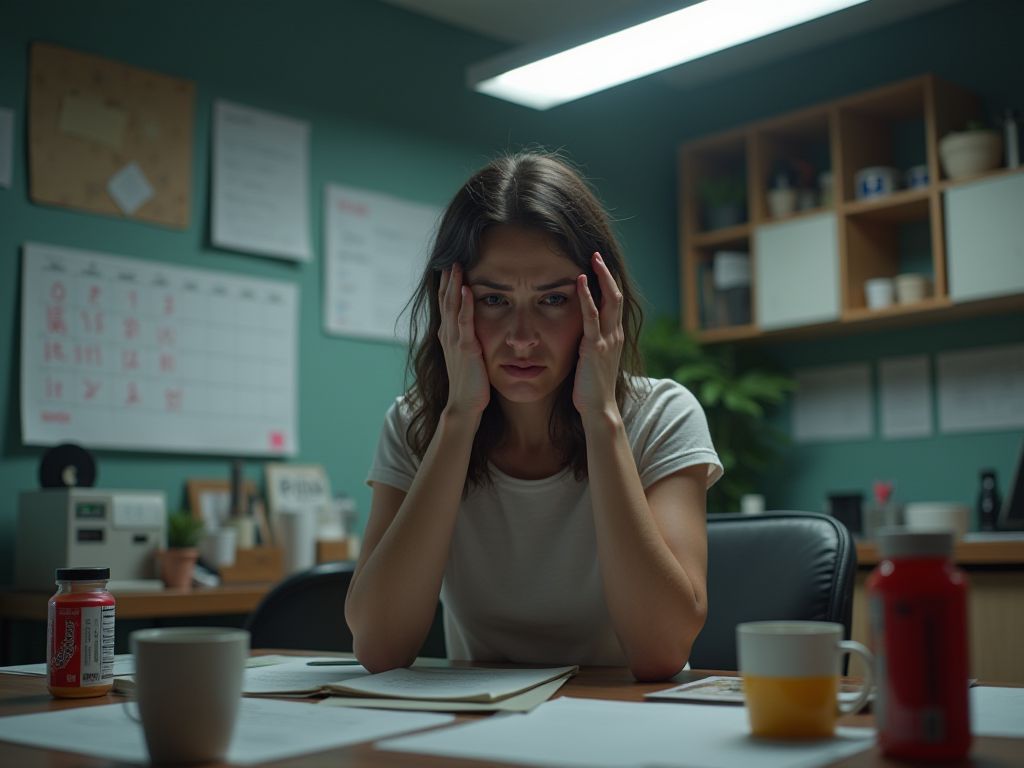
Understanding the Hidden Connection: Hormonal Mood Swings and Caffeine’s Impact
Our bodies are complex systems, and even small imbalances can trigger noticeable changes in mood and behavior. Two common yet often overlooked culprits are hormonal fluctuations and excessive caffeine intake. While these factors may seem unrelated, they frequently interact in ways that can exacerbate emotional instability. Recognizing the early warning signs of this interplay is crucial for maintaining mental and physical well-being. Below, we explore how hormonal mood swings and caffeine consumption intertwine—and what to look for if you’re experiencing unexpected changes in your emotional state.
1. What Are Hormonal Mood Swings?
Hormonal mood swings occur when there are shifts in the levels of key hormones like estrogen, progesterone, testosterone, and cortisol. These fluctuations can be triggered by menstrual cycles, pregnancy, menopause, stress, or even thyroid imbalances. For example, a drop in estrogen during the menstrual cycle can lead to irritability, while elevated cortisol from chronic stress may cause anxiety or fatigue. These changes are not just temporary—they often signal deeper systemic imbalances that require attention.
2. Common Symptoms of Hormonal Mood Swings
- Emotional volatility: Sudden shifts from sadness to anger or euphoria.
- Increased anxiety or depression: Feelings of hopelessness or excessive worry without an obvious cause.
- Difficulty concentrating: Brain fog or trouble making decisions.
- Changes in appetite or sleep: Overeating, insomnia, or excessive sleepiness.
3. The Role of Caffeine in Mood Regulation
Caffeine, a central nervous system stimulant, can temporarily boost alertness and mood by increasing the release of neurotransmitters like dopamine and norepinephrine. However, excessive intake—typically more than 400 mg per day (about 4 cups of coffee)—can disrupt the body’s natural balance. Over time, this may lead to dependency, where the brain becomes reliant on caffeine to function normally, making withdrawal symptoms (like fatigue and irritability) more pronounced.
4. Early Warning Signs of Excessive Caffeine Intake
- Restlessness or jitteriness: A feeling of being “on edge” or unable to relax.
- Heart palpitations or rapid heartbeat: Caffeine can overstimulate the cardiovascular system.
- Insomnia or disrupted sleep: Difficulty falling or staying asleep, even with a regular sleep schedule.
- Increased anxiety or panic attacks: Caffeine may amplify existing anxiety disorders.
5. How Hormones and Caffeine Interact
The interaction between hormones and caffeine is complex. For instance, cortisol (the stress hormone) and caffeine both stimulate the adrenal glands, potentially leading to a “double whammy” of overactivation. This can worsen symptoms like fatigue, irritability, and mood instability. Additionally, caffeine may interfere with the body’s ability to regulate estrogen and progesterone, particularly in women, increasing the risk of premenstrual syndrome (PMS) or menopausal symptoms.
6. The Impact on Sleep and Stress
Both hormonal imbalances and excessive caffeine can disrupt sleep, which in turn exacerbates stress and emotional dysregulation. Poor sleep reduces the brain’s ability to process emotions, making individuals more susceptible to mood swings. Caffeine’s stimulant effects can delay sleep onset and reduce sleep quality, creating a cycle that worsens hormonal fluctuations and stress levels.
7. Recognizing the Combined Effects
When hormonal mood swings and caffeine overuse occur simultaneously, the symptoms can be more severe. For example:
- Women experiencing PMS may find their irritability and anxiety intensified by even moderate caffeine consumption.
- Men with testosterone fluctuations might notice increased aggression or impatience after consuming large amounts of caffeine.
- Individuals with thyroid issues may experience a surge in anxiety or panic attacks due to the combined effects of caffeine and hormonal imbalances.
8. Practical Strategies for Management
Managing hormonal mood swings and caffeine intake requires a holistic approach:
- Monitor caffeine consumption: Track intake using a journal or app, and aim to stay below 400 mg per day.
- Support hormonal balance: Incorporate foods rich in magnesium, omega-3s, and phytoestrogens (like flaxseeds or soy). Regular exercise and stress-reduction techniques like meditation can also help.
- Improve sleep hygiene: Maintain a consistent sleep schedule, avoid screens before bedtime, and create a calming sleep environment.
9. When to Seek Professional Help
If you experience persistent or severe symptoms—such as prolonged depression, panic attacks, or significant changes in behavior—it’s essential to consult a healthcare provider. Hormonal imbalances may require blood tests or hormone therapy, while excessive caffeine use could be addressed through counseling or lifestyle changes. Early intervention can prevent these issues from escalating into more serious health conditions.
10. Conclusion: Taking Control of Your Well-Being
Hormonal mood swings and excessive caffeine intake are not isolated issues—they are interconnected challenges that can significantly impact your quality of life. By recognizing the early warning signs and taking proactive steps to address them, you can restore balance to your body and mind. Remember, small changes—like reducing caffeine, improving sleep, and supporting hormonal health—can lead to profound improvements in mood and overall wellness.
FAQ: Frequently Asked Questions
1. How much caffeine is considered excessive?
Excessive caffeine intake is generally defined as more than 400 mg per day, which is roughly equivalent to 4 cups of brewed coffee. However, sensitivity varies by individual, and some people may experience negative effects at lower doses.
2. Can caffeine worsen hormonal imbalances?
Yes. Caffeine can interfere with the body’s ability to regulate hormones like cortisol and estrogen, potentially worsening conditions like PMS, menopause symptoms, or adrenal fatigue.
3. Are there natural ways to manage hormonal mood swings?
Yes. Diet, exercise, stress management, and adequate sleep are all effective strategies. Certain supplements, like vitamin B6 or magnesium, may also help, but should be used under professional guidance.
4. Can reducing caffeine intake improve mood?
For many people, yes. Cutting back on caffeine can reduce anxiety, improve sleep, and stabilize mood, especially when combined with other lifestyle changes.
5. When should I see a doctor for mood changes?
If your mood changes are persistent, severe, or interfere with daily life, consult a healthcare provider. These symptoms could indicate an underlying condition that requires medical attention.
You might also like


Recommended for your journey
We've handpicked this top-rated health tool to help you achieve the results discussed in this article.
Check Price on Amazon*As an Amazon Associate, CureCurious.com earns from qualifying purchases. This helps us keep our research free for everyone.

Written by Dr. Sarah Mitchell
Nutrition Expert & MD
"Dr. Sarah Mitchell is a board-certified nutritionist with over 15 years of experience in clinical dietetics. She specializes in metabolic health and gut microbiome research."