Easy Turmeric Curcumin Common Mistakes
Published on December 13, 2025
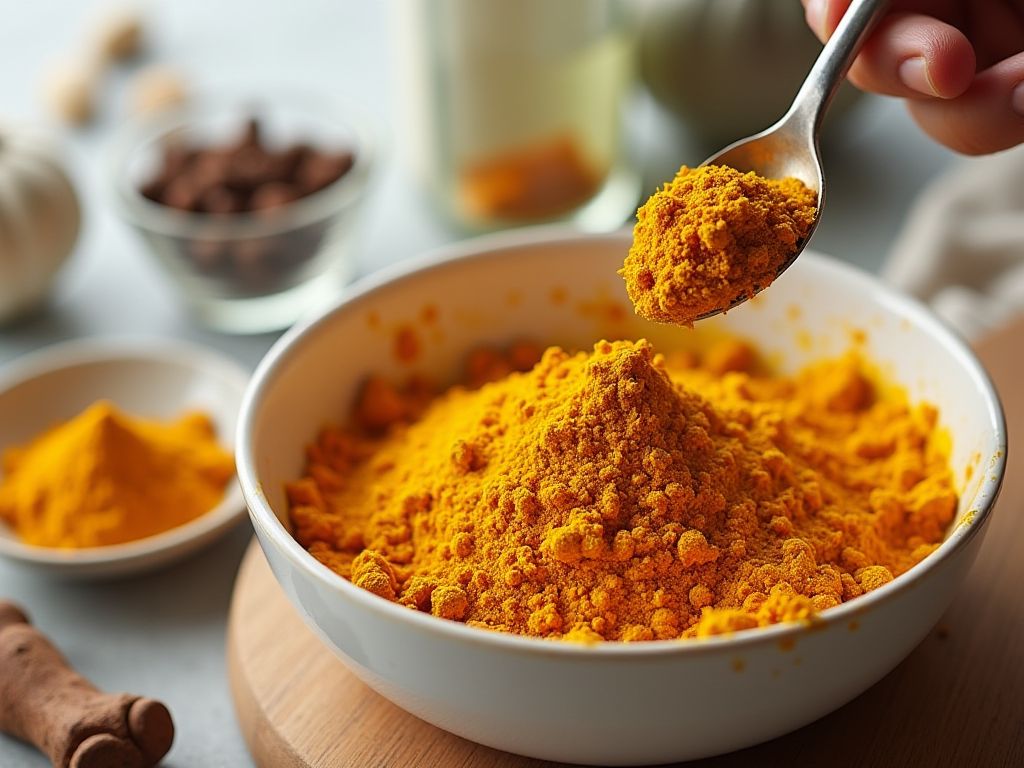
Easy Turmeric & Curcumin Common Mistakes: What You Need to Know
Turmeric and its active compound, curcumin, have gained immense popularity for their anti-inflammatory and antioxidant properties. However, many people struggle to reap their full benefits due to common mistakes. This article explores 10 easy-to-avoid errors and provides science-backed solutions to help you maximize the power of these natural remedies.
1. Not Pairing with Black Pepper
Curcumin has poor bioavailability, meaning your body absorbs only a small amount of it. Piperine, a compound in black pepper, can increase curcumin absorption by up to 2000%. Skipping this pairing significantly reduces effectiveness.
2. Using Low-Quality Supplements
Many commercial turmeric supplements lack standardization or contain fillers. Look for products with 95% curcuminoids and verified third-party testing to ensure potency and purity.
3. Overlooking Dosage Recommendations
While turmeric is safe in moderate amounts, excessive intake can cause gastrointestinal discomfort. Stick to 500–2000 mg of curcumin daily, as advised by healthcare professionals, and adjust based on your health goals.
4. Ignoring the Need for Fat
Curcumin is fat-soluble, so consuming it with a source of healthy fat (e.g., avocado, olive oil) enhances absorption. Skipping this step may render your efforts ineffective.
5. Confusing Turmeric with Curcumin
Turmeric contains ~3% curcumin, but most supplements isolate curcumin for higher potency. Confusing the two can lead to underdosing or relying on ineffective products.
6. Not Considering Medication Interactions
Curcumin may interact with blood thinners, diabetes medications, and antacids. Always consult your doctor before starting supplementation, especially if you’re on medication.
7. Relying Solely on Powder
While turmeric powder is beneficial, it’s less concentrated than curcumin supplements. For targeted benefits, opt for curcumin extracts with enhanced bioavailability.
8. Skipping Long-Term Use
Curcumin’s benefits often require consistent use over weeks or months. Short-term supplementation may yield minimal results, especially for chronic conditions like arthritis.
9. Overlooking Storage Guidelines
Exposure to light, heat, and moisture degrades curcumin. Store supplements in airtight, dark containers and keep them in a cool, dry place.
10. Not Monitoring for Side Effects
Though generally safe, high doses of curcumin can cause upset stomach, diarrhea, or kidney stones in rare cases. Pay attention to your body and discontinue use if adverse effects occur.
Frequently Asked Questions
- Can I take turmeric with food? Yes, consuming it with a meal improves absorption and reduces stomach irritation.
- Is it safe to take curcumin during pregnancy? Limited research exists, so consult your healthcare provider before use during pregnancy or breastfeeding.
- How long does it take for curcumin to work? Results vary, but most people notice improvements in inflammation or digestion within 2–4 weeks of consistent use.
- Can I use turmeric as a cooking ingredient and still benefit? Yes, but cooking reduces curcumin’s potency. Combine it with black pepper and fat for maximum benefit.
Conclusion
Turmeric and curcumin offer remarkable health benefits, but avoiding common mistakes is key to success. By pairing with black pepper, choosing high-quality supplements, and following dosage guidelines, you can unlock their full potential. Always prioritize safety and consult a healthcare professional when needed. With mindful use, these natural compounds can become powerful tools for your wellness journey.
Scientific References & Medical Evidence
- "Bioavailability of curcumin: problems and promises." (2007) View study on PubMed.gov →
- "Curcumin and Cancer." (2019) View study on PubMed.gov →
CureCurious verifies facts through peer-reviewed research.
Recommended for your journey
We've handpicked this top-rated health tool to help you achieve the results discussed in this article.
Check Price on Amazon*As an Amazon Associate, CureCurious.com earns from qualifying purchases. This helps us keep our research free for everyone.

Written by CureCurious Team
Editorial Team
"Our editorial team consists of passionate health researchers dedicated to bringing you the latest science-backed wellness news."