Effective Belly Fat Reduction Meal Plan
Published on December 12, 2025
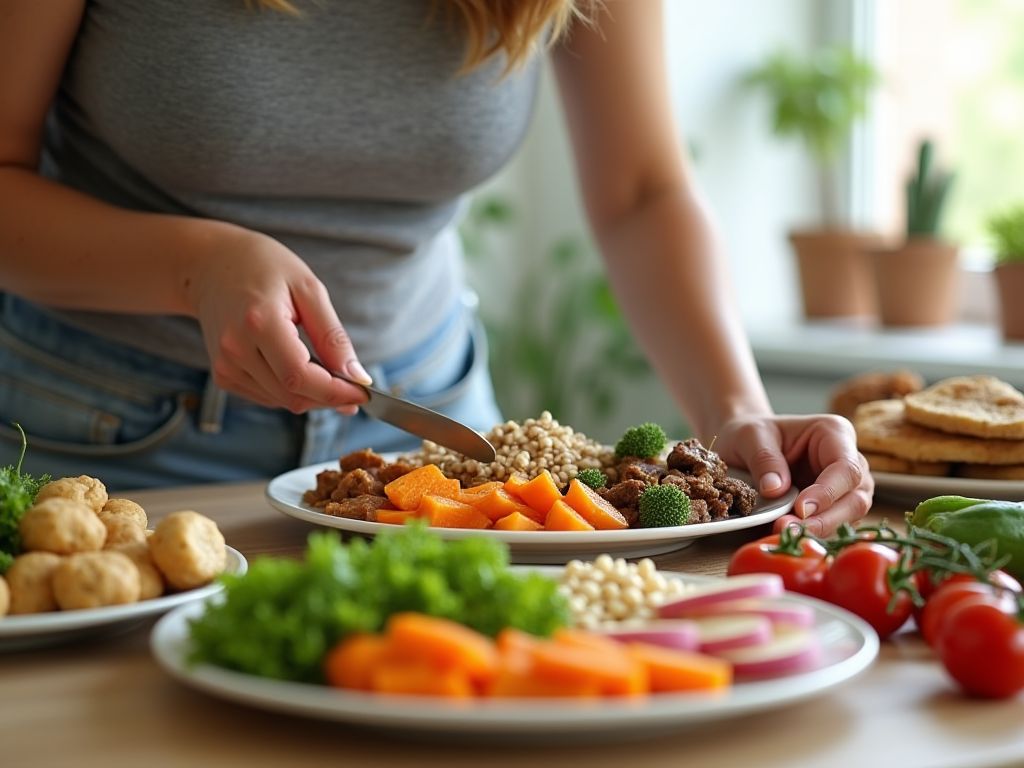
Effective Belly Fat Reduction Meal Plan: A Science-Backed Guide
Belly fat, particularly visceral fat, is a significant health concern linked to chronic diseases like diabetes and heart disease. While exercise plays a crucial role, diet is the cornerstone of effective belly fat reduction. This article provides a detailed, science-backed meal plan to help you achieve a healthier midsection, backed by research and practical strategies.
1. Prioritize Whole, Unprocessed Foods
Whole foods like vegetables, fruits, whole grains, and lean proteins are rich in fiber, vitamins, and minerals that support fat loss. Processed foods, on the other hand, are high in refined sugars, unhealthy fats, and additives that promote inflammation and fat storage.
- Include leafy greens (spinach, kale) for their high fiber and antioxidant content.
- Choose whole grains (quinoa, brown rice) over refined carbs (white bread, pasta).
- Opt for lean proteins (chicken, fish, legumes) to boost satiety and muscle repair.
2. Focus on High-Fiber Foods
Fiber is a powerful tool for reducing belly fat. It improves digestion, regulates blood sugar, and increases feelings of fullness. A 2019 study in BMJ found that higher fiber intake is associated with reduced visceral fat.
- Consume 25–30 grams of fiber daily from sources like oats, beans, and avocados.
- Psyllium husk and chia seeds can be added to smoothies or meals for extra fiber.
3. Incorporate Healthy Fats
Contrary to popular belief, healthy fats like monounsaturated and polyunsaturated fats support fat loss by improving insulin sensitivity and hormone balance. Avoid trans fats and limit saturated fats from processed meats.
- Include sources like avocados, nuts, seeds, and olive oil in meals.
- Omega-3 fatty acids (found in salmon and flaxseeds) reduce inflammation linked to belly fat.
4. Balance Macronutrients in Every Meal
Each meal should contain a balance of protein, healthy fats, and complex carbohydrates to stabilize blood sugar and prevent cravings. A 2018 study in Nutrition Journal showed that balanced meals reduce post-meal hunger and snacking.
- Example: Grilled chicken (protein) + quinoa (carbs) + steamed broccoli (fiber).
- Avoid high-sugar snacks; opt for protein-rich options like Greek yogurt or almonds.
5. Practice Portion Control
Even healthy foods can contribute to weight gain if consumed in excess. Use smaller plates, measure portions, and avoid eating directly from packages. A 2020 review in Obesity Reviews emphasized that portion control is critical for long-term fat loss.
6. Stay Hydrated
Dehydration can slow metabolism and increase hunger. Drinking water before meals can reduce calorie intake by up to 20%, according to a 2015 study in Obesity. Aim for at least 2–3 liters of water daily, and avoid sugary drinks.
7. Limit Added Sugars and Refined Carbs
Sugary foods and refined carbs spike insulin levels, promoting fat storage around the abdomen. Replace sugary snacks with natural sweeteners like berries or dark chocolate (70%+ cocoa).
- Check food labels for hidden sugars (e.g., high-fructose corn syrup, agave nectar).
- Choose whole fruits over fruit juices or dried fruits.
8. Time Your Meals Strategically
Intermittent fasting (e.g., 16:8 method) can enhance fat burning by extending the time your body uses stored fat for energy. A 2021 study in Cell Metabolism found that time-restricted eating (eating within 8–10 hours) reduces visceral fat.
- Fast for 16 hours daily and eat within an 8-hour window (e.g., 10 AM–6 PM).
- Break your fast with protein and healthy fats, not carbs.
9. Include Probiotics and Prebiotics
Gut health is linked to belly fat. Probiotics (found in yogurt, kefir, and fermented foods) and prebiotics (found in onions, garlic, and bananas) support a healthy gut microbiome, which influences fat storage.
10. Combine with Regular Physical Activity
Diet alone isn’t enough. Pair your meal plan with 150 minutes of moderate exercise weekly (e.g., brisk walking, cycling) and strength training to build muscle and boost metabolism. High-intensity interval training (HIIT) is particularly effective for reducing visceral fat.
Frequently Asked Questions (FAQ)
Q: How long does it take to see results with this meal plan?
A: Results vary, but most people see noticeable changes in 4–8 weeks with consistent adherence to the plan and regular exercise.
Q: Are there specific foods I should avoid entirely?
A: Limit processed meats, fried foods, sugary beverages, and refined grains. Avoid alcohol, which increases belly fat storage.
Q: Can supplements help reduce belly fat?
A: While some supplements (e.g., green tea extract, Garcinia Cambogia) may support fat loss, they are not a substitute for a healthy diet and exercise. Always consult a healthcare provider before taking supplements.
Conclusion
Reducing belly fat requires a holistic approach that combines nutrition, hydration, and physical activity. By following a meal plan rich in whole foods, fiber, and healthy fats, while avoiding processed and sugary foods, you can achieve lasting results. Consistency is key, and small, sustainable changes will lead to long-term success. Remember, consult a healthcare professional or registered dietitian to tailor this plan to your specific needs.
Scientific References & Medical Evidence
- "Supplementation with Akkermansia muciniphila in overweight and obese human volunteers: a proof-of-concept exploratory study." (2019) View study on PubMed.gov →
- "Ketogenic Diet Intervention on Metabolic and Psychiatric Health in Bipolar and Schizophrenia: A Pilot Trial." (2024) View study on PubMed.gov →
CureCurious verifies facts through peer-reviewed research.
You might also like


Recommended for your journey
We've handpicked this top-rated health tool to help you achieve the results discussed in this article.
Check Price on Amazon*As an Amazon Associate, CureCurious.com earns from qualifying purchases. This helps us keep our research free for everyone.

Written by Dr. Sarah Mitchell
Nutrition Expert & MD
"Dr. Sarah Mitchell is a board-certified nutritionist with over 15 years of experience in clinical dietetics. She specializes in metabolic health and gut microbiome research."