Effective Burnout Prevention Meal Plan For Over 30
Published on December 14, 2025
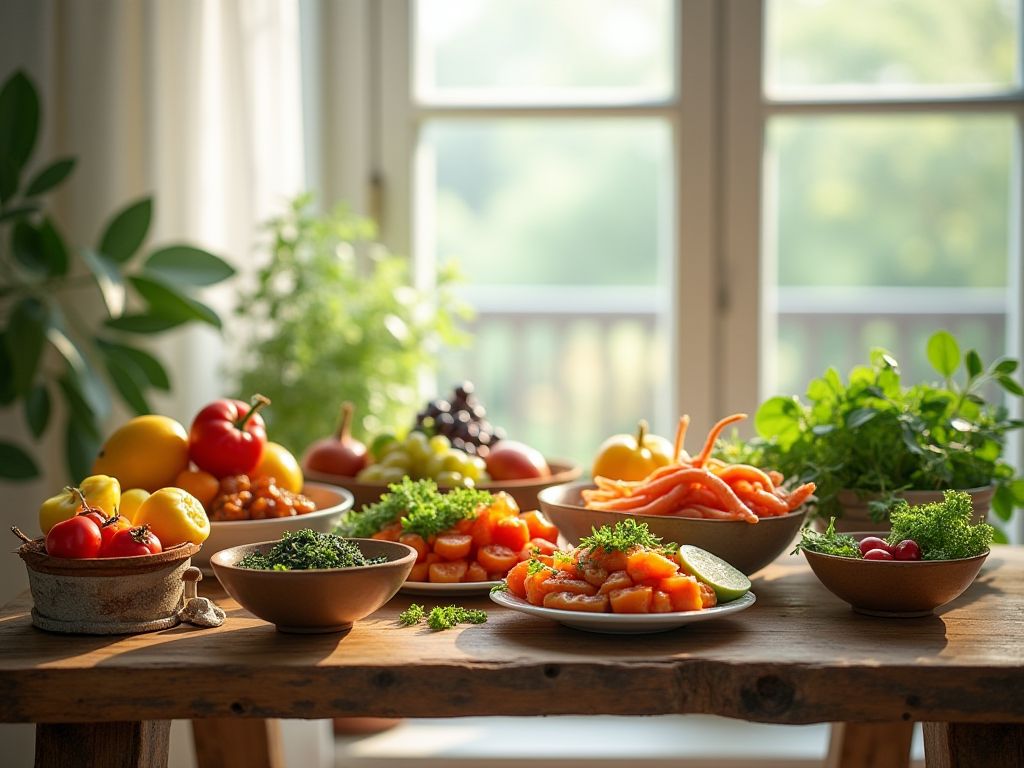
Effective Burnout Prevention Meal Plan for Adults Over 30
Burnout is a growing concern for adults over 30, often fueled by long work hours, family responsibilities, and chronic stress. While self-care strategies like exercise and sleep are crucial, nutrition plays a foundational role in preventing burnout. A well-designed meal plan can boost energy, stabilize mood, and enhance cognitive function. Here’s how to craft a science-backed meal plan tailored to your needs.
1. Prioritize Nutrient-Dense Foods
Focus on whole, unprocessed foods rich in vitamins, minerals, and antioxidants. Key components include:
Partner Content


- Fruits and vegetables: Packed with antioxidants that combat oxidative stress linked to burnout.
- Whole grains: Provide sustained energy and fiber for digestive health.
- Lean proteins: Support muscle repair and neurotransmitter production (e.g., eggs, fish, legumes).
- Healthy fats: Omega-3s from walnuts, chia seeds, and fatty fish reduce inflammation and support brain health.
2. Incorporate Magnesium and B Vitamins
Studies show that magnesium and B vitamins (especially B6, B12, and folate) are critical for managing stress and maintaining energy levels. Include foods like:
- Magnesium-rich foods: Spinach, pumpkin seeds, and dark chocolate.
- B vitamins: Eggs, salmon, fortified cereals, and leafy greens.
3. Balance Macronutrients in Every Meal
Each meal should include a mix of protein, complex carbohydrates, and healthy fats to prevent blood sugar crashes and sustain energy. For example:
- Breakfast: Greek yogurt with berries and almonds (protein + fiber + healthy fats).
- Lunch: Quinoa salad with chickpeas, avocado, and kale (complete protein + omega-3s).
4. Hydration Is Key
Dehydration can mimic fatigue and impair cognitive function. Aim for 8–10 glasses of water daily, and consider herbal teas or electrolyte-rich drinks for busy days.
5. Avoid Refined Sugars and Processed Foods
High-sugar and processed foods cause energy spikes and crashes, worsening stress and fatigue. Replace them with natural sweeteners like dates or cinnamon.
6. Time Your Meals Strategically
Eating regular, balanced meals every 3–4 hours stabilizes blood sugar. For example, skip late-night snacks but include a light evening meal like a vegetable soup or a small portion of whole-grain toast with nut butter.
7. Include Probiotics for Gut Health
The gut-brain connection is vital for mental health. Fermented foods like kimchi, kefir, and sauerkraut support a healthy microbiome, which can reduce anxiety and improve mood.
8. Customize Based on Your Lifestyle
Adapt your meal plan to your schedule. For example:
- Busy professionals: Batch-cook meals on weekends and use meal-prep containers.
- Parents: Involve children in cooking to make it a family activity.
9. Mindful Eating Practices
Eating slowly and without distractions (e.g., phones, TV) enhances digestion and satisfaction. This reduces overeating and promotes better nutrient absorption.
10. Sample Weekly Meal Plan
Monday:
- Breakfast: Oatmeal with banana slices and flaxseeds.
- Lunch: Lentil soup with a side of whole-grain bread.
- Dinner: Grilled chicken with roasted sweet potatoes and broccoli.
- Breakfast: Smoothie with spinach, almond milk, and protein powder.
- Lunch: Chickpea and avocado wrap with a side of carrots.
- Dinner: Baked salmon with quinoa and asparagus.
FAQ: Burnout Prevention Meal Plan
Q: Can I follow this plan if I have dietary restrictions?
A: Yes! Substitute ingredients based on allergies or preferences (e.g., use tofu instead of chicken for a vegan option).
Q: Do I need supplements?
A: A well-balanced diet should cover most needs. However, consult a healthcare provider for deficiencies like vitamin D or iron.
Q: How do I stay consistent with meal planning?
A: Start with simple recipes, use a meal planner app, and keep a stock of staples like canned beans, frozen veggies, and whole grains.
Conclusion
Preventing burnout starts with nurturing your body through intentional nutrition. By prioritizing whole foods, balancing macronutrients, and staying hydrated, you can build resilience against stress. Remember, small, consistent changes—like swapping a sugary snack for a handful of nuts—can make a significant difference. Your health is your greatest asset, and a thoughtful meal plan is a powerful tool in your self-care arsenal.
Scientific References & Medical Evidence
- "The Community Resiliency Model® to promote nurse well-being." (2020) View study on PubMed.gov →
- "Individual-level interventions for reducing occupational stress in healthcare workers." (2023) View study on PubMed.gov →
CureCurious verifies facts through peer-reviewed research.
You might also like


Recommended for your journey
We've handpicked this top-rated health tool to help you achieve the results discussed in this article.
Check Price on Amazon*As an Amazon Associate, CureCurious.com earns from qualifying purchases. This helps us keep our research free for everyone.

Written by Dr. Sarah Mitchell
Nutrition Expert & MD
"Dr. Sarah Mitchell is a board-certified nutritionist with over 15 years of experience in clinical dietetics. She specializes in metabolic health and gut microbiome research."