Effective Home Workout Routine Supplement Stack
Published on December 13, 2025
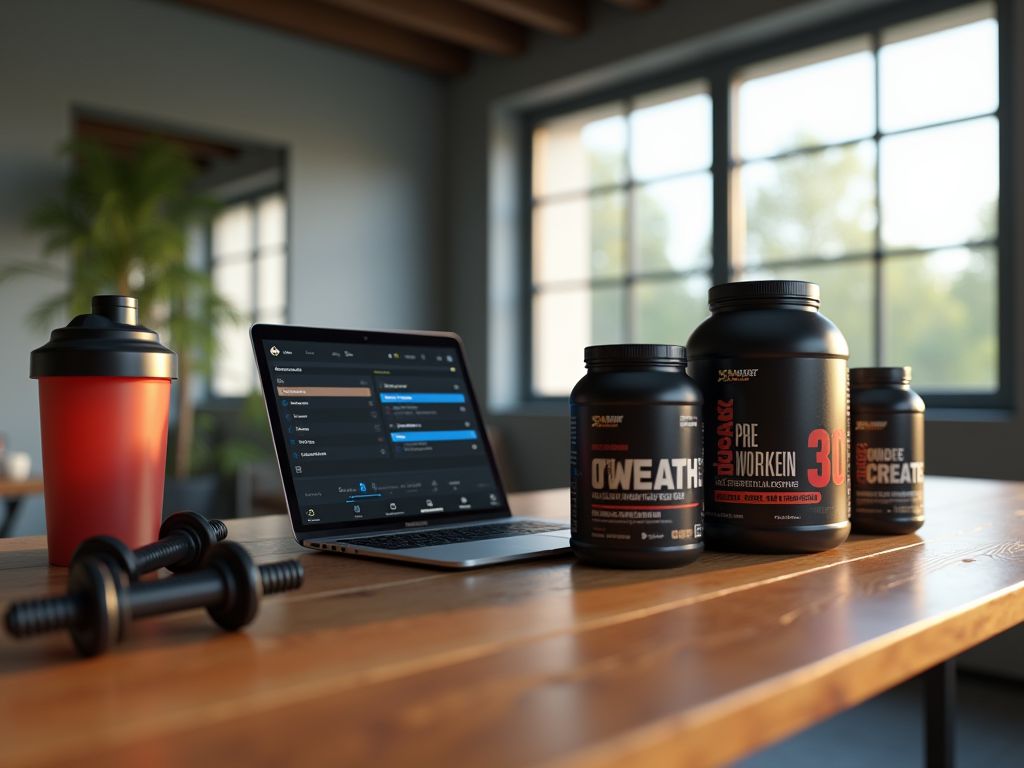
Unlocking Peak Performance: The Science-Backed Home Workout Supplement Stack
Home workouts have become a cornerstone of modern fitness, offering convenience and flexibility for busy individuals. However, to maximize results, many athletes and fitness enthusiasts turn to strategically chosen supplements. This article explores a science-backed supplement stack designed to enhance strength, endurance, recovery, and overall performance during home workouts. Whether you're a beginner or an advanced trainer, understanding the role of these supplements can elevate your routine to new heights.
1. The Foundation: A Balanced Diet
Before diving into supplements, it’s crucial to remember that no stack can replace a well-rounded diet. Prioritize whole foods rich in protein, complex carbohydrates, healthy fats, and micronutrients. A balanced diet ensures your body has the raw materials to build muscle, fuel workouts, and recover effectively. Supplements should complement—not replace—nutrient-dense meals.
Partner Content


2. Pre-Workout: Boost Energy and Focus
Pre-workout supplements are designed to enhance energy, mental clarity, and focus during training. Key ingredients include:
- Caffeine: Enhances endurance and reduces perceived exertion (100–200 mg per dose).
- β-Alanine: Buffers muscle fatigue by increasing carnosine levels.
- NO3 (Nitrate): Improves blood flow and oxygen delivery to muscles.
Look for products with 150–300 mg of caffeine and 2–3 g of β-alanine. Avoid excessive stimulants if you have a sensitive nervous system.
3. Protein: The Building Block of Muscle
Protein is essential for muscle repair and growth. Aim for 1.6–2.2 g of protein per kilogram of body weight daily. High-quality sources include:
- Whey protein: Fast-digesting, ideal post-workout.
- Collagen protein: Supports joint health and connective tissue.
- Plant-based protein: Great for vegans, often blended with pea or hemp.
Consume 20–40 g of protein within 30–60 minutes after training for optimal recovery.
4. Creatine: Enhance Strength and Power
Creatine monohydrate is one of the most researched supplements, proven to increase strength, power output, and muscle mass. Take 3–5 g daily, preferably with carbohydrates or protein to enhance absorption. It’s safe for long-term use and benefits both men and women.
5. Branched-Chain Amino Acids (BCAAs): Combat Fatigue
BCAAs (leucine, isoleucine, valine) help reduce muscle breakdown during intense workouts. While whole protein sources provide BCAAs, supplements can be useful during prolonged exercise or low-calorie diets. Aim for 2–4 g per dose, ideally containing at least 30% leucine.
6. Omega-3 Fatty Acids: Reduce Inflammation
Fish oil or algae-based omega-3s support joint health, reduce inflammation, and improve recovery. Take 1–3 g of combined EPA and DHA daily. These fats also enhance cardiovascular health and cognitive function, which are crucial for long-term fitness.
7. Multivitamins: Fill Nutritional Gaps
Even with a balanced diet, deficiencies in vitamins D, B12, and magnesium are common. A high-quality multivitamin ensures you meet daily requirements, especially if you follow restrictive diets, have limited sun exposure, or train intensely.
8. Electrolytes: Maintain Hydration and Performance
Sweating during workouts depletes electrolytes (sodium, potassium, magnesium). Replenish them with electrolyte powders or drinks containing 500–1,000 mg of sodium, 200–500 mg of potassium, and 100–300 mg of magnesium. This helps prevent cramps, maintain hydration, and support nerve function.
9. Post-Workout Recovery: Accelerate Healing
A post-workout stack should include:
- Protein + Carbohydrates: 3–4 g of protein with 40–60 g of carbs to replenish glycogen stores.
- Creatine: Continue supplementation for sustained benefits.
- Anti-Inflammatories: Turmeric (curcumin) or ginger can reduce post-exercise soreness.
10. Hydration: The Unsung Hero
Proper hydration is critical for performance and recovery. Aim for 2–3 liters of water daily, adjusting based on sweat rate and climate. Add electrolytes to water for long workouts or in hot environments.
Frequently Asked Questions
Q: Are supplements safe for home workouts?
A: Yes, when used responsibly and in conjunction with a balanced diet. Always consult a healthcare provider before starting new supplements, especially if you have medical conditions or are on medication.
Q: Can I stack all these supplements together?
A: Yes, but monitor for side effects. For example, avoid combining multiple stimulants (e.g., pre-workout + caffeine) to prevent overstimulation.
Q: Do I need supplements if I eat well?
A: Supplements are optional but can bridge nutritional gaps or enhance performance. If your diet is already optimal, focus on consistency and recovery.
Q: Are plant-based supplements as effective?
A: Yes. Plant-based protein, creatine, and BCAAs are equally effective when sourced from reputable brands. Ensure they’re free from fillers and additives.
Conclusion: Consistency and Science
A well-structured supplement stack can enhance your home workout routine, but it’s not a magic solution. Success depends on combining science-backed nutrition, proper exercise, and recovery strategies. Tailor your stack to your goals, listen to your body, and prioritize long-term health over quick fixes. With dedication and the right support, your home gym can become a powerhouse of strength and vitality.
Scientific References & Medical Evidence
- "Effectiveness and efficiency of an 11-week exercise intervention for patients with hip or knee osteoarthritis: a protocol for a controlled study in the context of health services research." (2016) View study on PubMed.gov →
- "Speech Perception Training in Children: The Retention of Benefits and Booster Training." (2024) View study on PubMed.gov →
CureCurious verifies facts through peer-reviewed research.
You might also like


Recommended for your journey
We've handpicked this top-rated health tool to help you achieve the results discussed in this article.
Check Price on Amazon*As an Amazon Associate, CureCurious.com earns from qualifying purchases. This helps us keep our research free for everyone.

Written by Mark Davies
Certified Fitness Coach
"Mark is a certified strength and conditioning specialist (CSCS). He helps people build sustainable fitness habits and recover from sports injuries."