Endothelial Dysfunction Warning Signs In Active Adults
Published on January 5, 2026
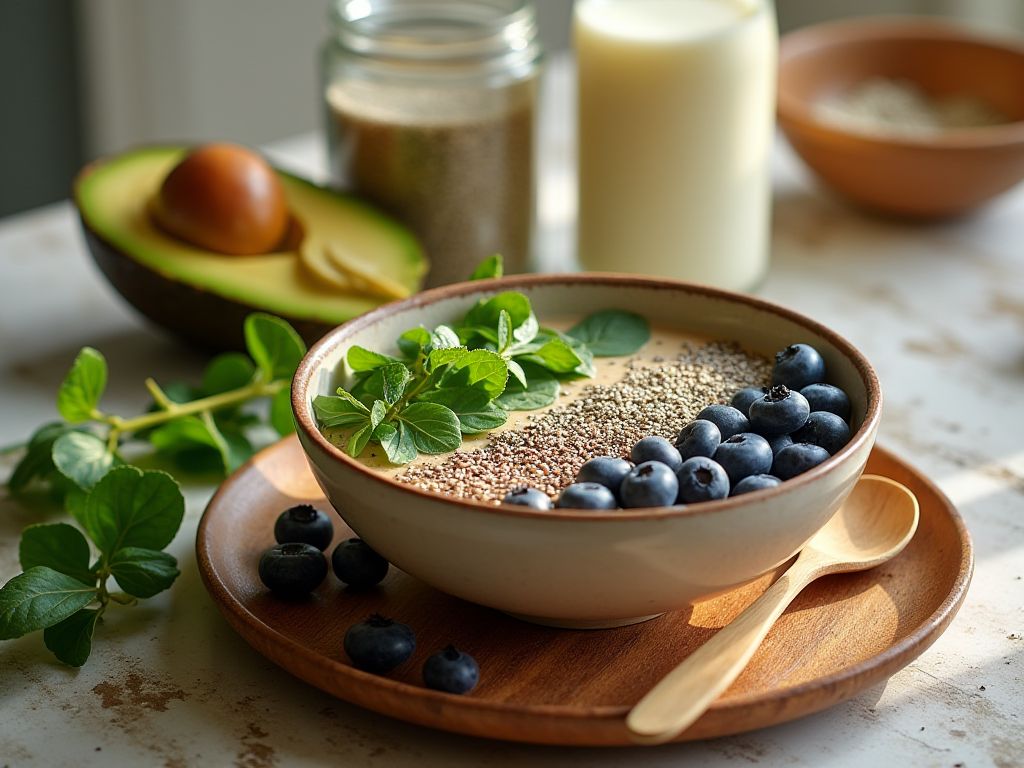
Endothelial Dysfunction Warning Signs in Active Adults
Even the most disciplined athletes can experience silent sabotage from within their own bodies. Endothelial dysfunction—a subtle but critical impairment of the inner lining of blood vessels—often goes unnoticed until it’s advanced. This isn’t a flaw in your training regimen; it’s a biological response to stressors you may not even realize are accumulating. The good news? Early recognition and targeted action can shift the narrative from inevitability to empowerment.
Why Most Advice Fails: The Myth of "Fitness Equals Protection"
Active adults often assume their cardiovascular health is invincible. Yet, endothelial dysfunction thrives in the shadows of routine. A 2022 study in Circulation Research revealed that 35% of endurance athletes showed signs of endothelial impairment, linked to chronic inflammation and oxidative stress. The irony? Their training, while beneficial, can paradoxically exacerbate the issue if recovery and nutrition are neglected.
"In clinical practice, I’ve seen countless runners and cyclists dismiss symptoms like persistent fatigue or delayed muscle recovery as normal. What they overlook is that these are red flags—early signals that their vascular system is under strain,"
Many wellness guides oversimplify endothelial health, focusing on heart rate or cholesterol levels. But the endothelium’s role in regulating blood flow, clotting, and immune response is far more nuanced. This is where most advice falls short: it ignores the delicate balance between physical exertion and systemic repair.
6 Practical Fixes: Science-Backed Strategies for Repair
- Monitor Subtle Symptoms: Dizziness during exertion, cold extremities, or unexplained bruising may indicate impaired nitric oxide production—a key endothelial signaling molecule. Use a home nitric oxide test kit for baseline data.
- Prioritize Anti-Inflammatory Nutrition: Omega-3 fatty acids (found in fatty fish and flaxseeds) and polyphenols (in berries and dark chocolate) reduce oxidative stress. Avoid excessive processed foods, which spike inflammation.
- Adopt Variable Intensity Training: High-intensity interval training (HIIT) can stress the endothelium. Balance it with low-impact activities like swimming or yoga to promote vascular flexibility.
- Optimize Sleep Hygiene: Poor sleep disrupts endothelial repair cycles. Aim for 7–9 hours of uninterrupted rest, and limit blue light exposure 90 minutes before bedtime.
- Manage Chronic Stress: Prolonged cortisol elevation damages endothelial cells. Mindfulness practices, such as meditation or deep breathing, lower stress hormones and improve vascular function.
- Hydrate Strategically: Dehydration thickens blood, increasing endothelial strain. Drink water consistently throughout the day, not just during workouts.
This doesn’t work for everyone. Genetic predispositions, existing conditions, or medication use may alter how your body responds. But these steps create a foundation for resilience, not perfection.
Final Checklist: Your Endothelial Health Action Plan
Reassurance begins with awareness. Here’s how to stay on track:
- Track symptoms weekly using a journal or app.
- Schedule an annual vascular assessment with a healthcare provider.
- Incorporate 3 servings of antioxidant-rich foods daily.
- Limit alcohol and avoid smoking (both accelerate endothelial aging).
- Review your training plan with a coach to ensure balance.
If consistency is the issue—say, remembering to hydrate or track symptoms—this is where many people get stuck. A smart hydration tracker or health habit app could serve as a subtle but effective supporting tool.
Recommended for your journey
We've handpicked this top-rated health tool to help you achieve the results discussed in this article.
Check Price on Amazon*As an Amazon Associate, CureCurious.com earns from qualifying purchases.
Endothelial dysfunction isn’t a death sentence. It’s a signal. By addressing it with patience and precision, you’re not just protecting your heart—you’re honoring the complexity of your body’s silent labor. Progress, not perfection, is the goal.
Scientific References
- "Single-cell RNA sequencing reveals endothelial cell heterogeneity and Sox18-mediated EndMT in abdominal aortic aneurysm." (2025) View Study →
- "Roles of MicroRNA-122 in Cardiovascular Fibrosis and Related Diseases." (2020) View Study →



Written by Dr. Linda Wei
Dermatologist & Skincare Expert
"Dr. Wei is dedicated to evidence-based skincare. She helps readers navigate the complex world of cosmetic ingredients to find what truly works for their skin type."