Exercise For Beginners For Over 30 For Busy Professionals
Published on December 12, 2025
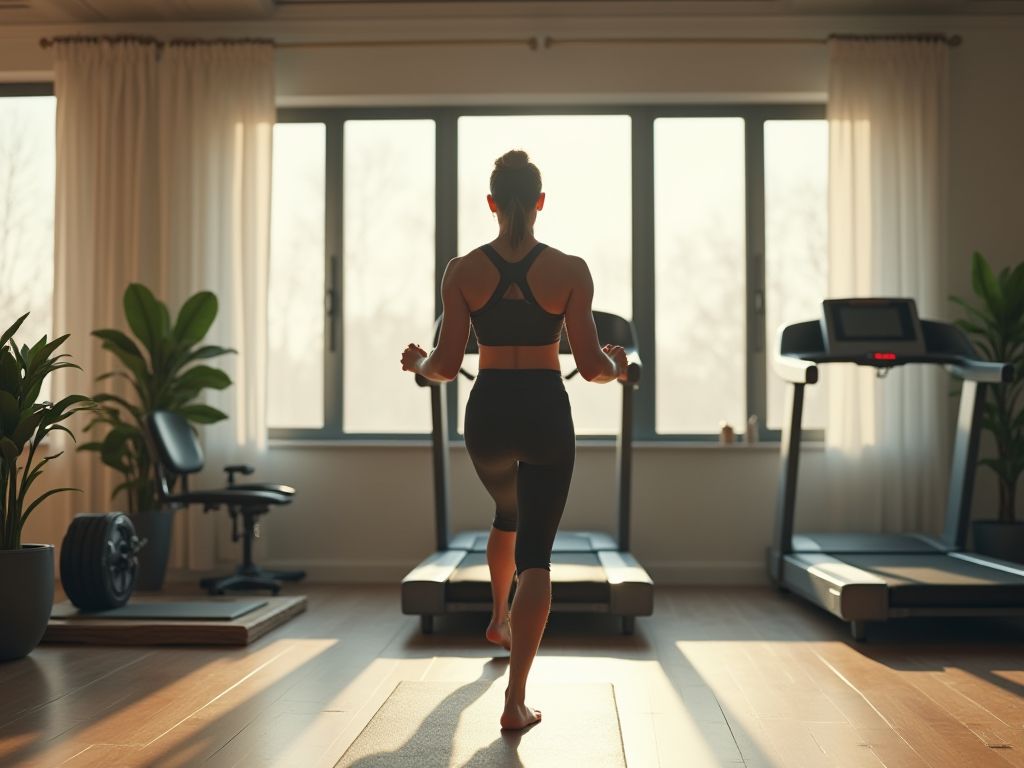
Exercise for Beginners Over 30: A Guide for Busy Professionals
As a busy professional over 30, finding time to exercise can feel like an impossible task. Between work deadlines, family responsibilities, and the endless scroll of social media, it’s easy to let fitness fall to the bottom of your to-do list. But here’s the truth: regular physical activity is one of the most powerful tools you can use to boost energy, reduce stress, and improve longevity. This article is your roadmap to starting a sustainable fitness journey, tailored to your lifestyle and goals.
1. Start with Small, Sustainable Goals
Beginners often feel overwhelmed by the idea of “getting in shape.” Instead, focus on creating habits that are easy to maintain. Start with just 10–15 minutes of movement daily—whether it’s a brisk walk, stretching, or a quick home workout. Small, consistent actions build momentum and set the foundation for long-term success.
Partner Content


2. Prioritize Time Efficiency
Busy professionals need workouts that fit into their schedules. High-intensity interval training (HIIT), bodyweight exercises, and short home routines (like 20-minute YouTube workouts) are perfect for maximizing results in minimal time. These workouts combine strength, cardio, and flexibility training, making them ideal for beginners.
3. Choose Activities You Enjoy
Exercise doesn’t have to be a chore. Whether it’s dancing, swimming, cycling, or yoga, pick activities that bring you joy. Enjoyment increases adherence, making it more likely you’ll stick with your routine long-term. Experiment with different options to find what resonates with you.
4. Focus on Bodyweight and Low-Impact Exercises
As you age, joint health becomes increasingly important. Low-impact exercises like walking, swimming, or cycling are gentler on the body. Bodyweight exercises (squats, push-ups, planks) also build strength without requiring equipment, making them accessible for beginners with limited time or resources.
5. Incorporate Movement Breaks
Sedentary jobs can take a toll on your health. Combat this by taking short movement breaks every hour. Stand up, stretch, or do a few squats. These micro-movements improve circulation, reduce stiffness, and boost focus throughout the day.
6. Set Realistic Expectations
Beginners often compare themselves to others, but progress is personal. Focus on how you feel—more energized, less stressed, or sleeping better—rather than chasing unrealistic fitness benchmarks. Celebrate small wins, like completing a workout or trying a new activity.
7. Use Technology to Stay Motivated
Apps like Nike Training Club, Peloton, or Fitbit offer guided workouts, progress tracking, and community support. These tools can help you stay accountable and make exercise feel less intimidating. Even a 10-minute guided meditation or stretch can be a game-changer on a busy day.
8. Make It a Habit, Not a Task
Consistency is key. Tie exercise to an existing habit, like working out after your morning coffee or before dinner. Over time, this creates a mental association that makes it easier to stick with. Even one workout a week is better than none, so start where you are.
9. Prioritize Recovery and Sleep
As you age, recovery becomes more critical. Ensure you’re getting 7–9 hours of sleep nightly, staying hydrated, and eating nutrient-dense meals. Recovery days are not a sign of weakness—they’re essential for preventing burnout and injury.
10. Seek Support and Accountability
Exercise is more enjoyable with others. Join a local fitness class, find a workout buddy, or participate in online communities. Sharing your goals with someone increases motivation and makes the journey less lonely.
Frequently Asked Questions
- How much time should I spend exercising each week? Aim for at least 150 minutes of moderate-intensity activity (like brisk walking) or 75 minutes of vigorous activity (like running) per week, spread across 3–5 days.
- Can I start exercising if I have no prior experience? Absolutely. Begin with low-impact activities and gradually increase intensity. Consult a healthcare provider if you have existing health concerns.
- How can I avoid injury as a beginner? Warm up before workouts, use proper form, and avoid overtraining. Listen to your body and rest when needed.
- What if I can’t afford a gym membership? Many effective workouts require no equipment. Bodyweight exercises, home yoga, or outdoor activities like walking or cycling are excellent alternatives.
- How do I stay motivated without a gym? Track progress with apps, set small goals, and find activities you genuinely enjoy. Celebrate non-scale victories like increased stamina or better mood.
Conclusion: Your Health Is Worth the Investment
Starting a fitness journey as a busy professional over 30 is not about perfection—it’s about progress. Every step you take, no matter how small, contributes to a healthier, more energetic you. Remember, consistency beats intensity. By integrating movement into your daily routine, you’ll not only improve your physical health but also boost mental clarity, reduce stress, and enhance your overall quality of life. Begin today, and let your health become a priority you can’t ignore.
Scientific References & Medical Evidence
- "Low back pain and its relationship with sitting behaviour among sedentary office workers." (2019) View study on PubMed.gov →
- "The descriptive epidemiology of sitting. A 20-country comparison using the International Physical Activity Questionnaire (IPAQ)." (2011) View study on PubMed.gov →
CureCurious verifies facts through peer-reviewed research.
You might also like
Recommended for your journey
We've handpicked this top-rated health tool to help you achieve the results discussed in this article.
Check Price on Amazon*As an Amazon Associate, CureCurious.com earns from qualifying purchases. This helps us keep our research free for everyone.
Written by Mark Davies
Certified Fitness Coach
"Mark is a certified strength and conditioning specialist (CSCS). He helps people build sustainable fitness habits and recover from sports injuries."