Exercise For Beginners For Vitality For Over 50
Published on December 12, 2025
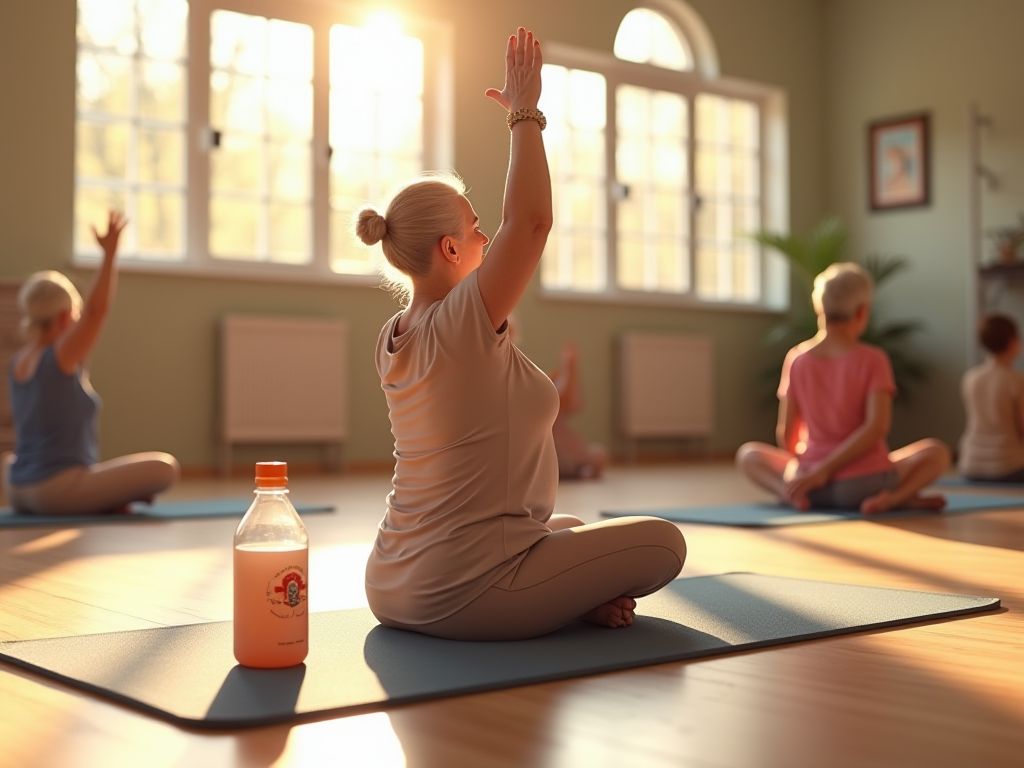
Exercise for Beginners Over 50: A Guide to Vitality and Longevity
As we age, staying active becomes one of the most powerful tools for maintaining vitality, independence, and quality of life. For those over 50, exercise isn’t just about fitness—it’s a cornerstone of health. Whether you’re new to physical activity or returning after a break, the right approach can transform your energy levels, reduce chronic disease risks, and boost mental clarity. This article will guide you through safe, effective, and enjoyable ways to start exercising, tailored to your unique needs and goals.
1. Why Exercise Matters After 50
Research consistently shows that regular physical activity can:
- Improve cardiovascular health and reduce the risk of heart disease.
- Strengthen bones and muscles, preventing falls and fractures.
- Enhance cognitive function and reduce the risk of dementia.
- Boost mood and alleviate symptoms of depression and anxiety.
- Support weight management and metabolic health.
Partner Content


2. Start with Low-Impact, Gentle Movements
Beginners over 50 should prioritize low-impact exercises that minimize joint strain. Options include:
- Walking: A simple, accessible activity that improves circulation and endurance.
- Swimming or Water Aerobics: Gentle on joints while building strength and flexibility.
- Yoga or Tai Chi: Enhances balance, flexibility, and mental focus.
3. The Importance of Strength Training
Muscle mass naturally declines with age, increasing the risk of frailty. Strength training, even 2–3 times per week, can:
- Preserve muscle and bone density.
- Improve posture and reduce back pain.
- Boost metabolism and support weight management.
4. Prioritize Balance and Fall Prevention
Falls are a leading cause of injury in older adults. Exercises that improve balance, such as:
- Single-leg stands (hold for 10–30 seconds per side).
- Heel-to-toe walks (march in place or walk along a straight line).
- Chair yoga (e.g., seated twists, gentle stretches).
5. Set Realistic Goals and Track Progress
Beginners should avoid overwhelming themselves with lofty targets. Instead, focus on:
- Small, achievable milestones (e.g., “Walk 10 minutes daily” or “Do 5 minutes of stretching twice a week”).
- Tracking progress with a journal, app, or calendar.
- Celebrating non-scale victories (e.g., improved sleep, increased energy).
6. Listen to Your Body and Avoid Overtraining
Overexertion can lead to injury or burnout. Pay attention to:
- Signs of fatigue or pain (rest if needed).
- Proper hydration and nutrition before and after workouts.
- Warming up and cooling down to prevent strains.
7. Make Exercise a Social Activity
Exercising with others increases motivation and enjoyment. Consider:
- Joining a senior fitness class or walking group.
- Exercising with family or friends.
- Participating in community events like 5Ks or yoga workshops for older adults.
8. Leverage Technology and Resources
Modern tools can make exercise easier and more engaging:
- Apps: Try “Senior Fitness” or “Zombies, Run!” for guided workouts.
- Streaming platforms: YouTube has free classes for seniors (e.g., “Yoga for Arthritis”).
- Wearables: Track steps, heart rate, or sleep with a Fitbit or Apple Watch.
9. Create a Sustainable Routine
Build a habit by integrating exercise into your daily life:
- Schedule workouts like any other appointment.
- Choose activities you genuinely enjoy (e.g., dancing, gardening, or hiking).
- Adapt routines as your fitness level improves.
10. Embrace the Journey: Exercise as a Lifelong Practice
Exercise isn’t a race; it’s a lifelong journey of self-care. Over 50, it’s never too late to start, and every step counts. Focus on progress, not perfection, and remember that even small efforts yield profound benefits over time. Your body and mind will thank you.
Frequently Asked Questions (FAQ)
Q1: How often should I exercise if I’m over 50?
A: The World Health Organization recommends at least 150 minutes of moderate-intensity aerobic activity (e.g., brisk walking) per week, plus muscle-strengthening activities on 2 or more days. Start with shorter sessions and gradually increase duration.
Q2: Can I exercise if I have a chronic condition like arthritis?
A: Yes, but consult your doctor first. Low-impact exercises like swimming, cycling, or chair yoga are often safe and beneficial. Modify movements to avoid pain.
Q3: How do I stay motivated as a beginner?
A: Set small goals, track progress, and celebrate milestones. Use social support, try new activities, and remind yourself of the long-term benefits (e.g., independence, energy, mood).
Q4: What should I do if I feel sore after exercising?
A: Soreness is normal, but pain is not. Rest, apply ice, and consider gentle stretching. If discomfort persists, adjust your routine or consult a healthcare professional.
Q5: Is it too late to start exercising for the first time after 50?
A: No. Research shows that even late-onset exercise can improve health, mobility, and longevity. Start slowly, stay consistent, and enjoy the journey.
Conclusion: Your Vitality Starts Today
Exercise is a gift you can give yourself at any age. For those over 50, it’s a powerful way to reclaim energy, protect health, and embrace life fully. By choosing activities that align with your interests, listening to your body, and staying consistent, you’ll discover a new level of vitality. Remember: It’s not about being perfect—it’s about showing up, one step at a time. Your future self will be grateful.
Scientific References & Medical Evidence
- "Key Factors Associated with Adherence to Physical Exercise in Patients with Chronic Diseases and Older Adults: An Umbrella Review." (2021) View study on PubMed.gov →
- "Effects of three home-based exercise programmes regarding falls, quality of life and exercise-adherence in older adults at risk of falling: protocol for a randomized controlled trial." (2019) View study on PubMed.gov →
CureCurious verifies facts through peer-reviewed research.
You might also like
Recommended for your journey
We've handpicked this top-rated health tool to help you achieve the results discussed in this article.
Check Price on Amazon*As an Amazon Associate, CureCurious.com earns from qualifying purchases. This helps us keep our research free for everyone.
Written by Mark Davies
Certified Fitness Coach
"Mark is a certified strength and conditioning specialist (CSCS). He helps people build sustainable fitness habits and recover from sports injuries."