Ferroptosis: How To Stop Your Brain Cells From "Rusting" From Within
Published on December 28, 2025
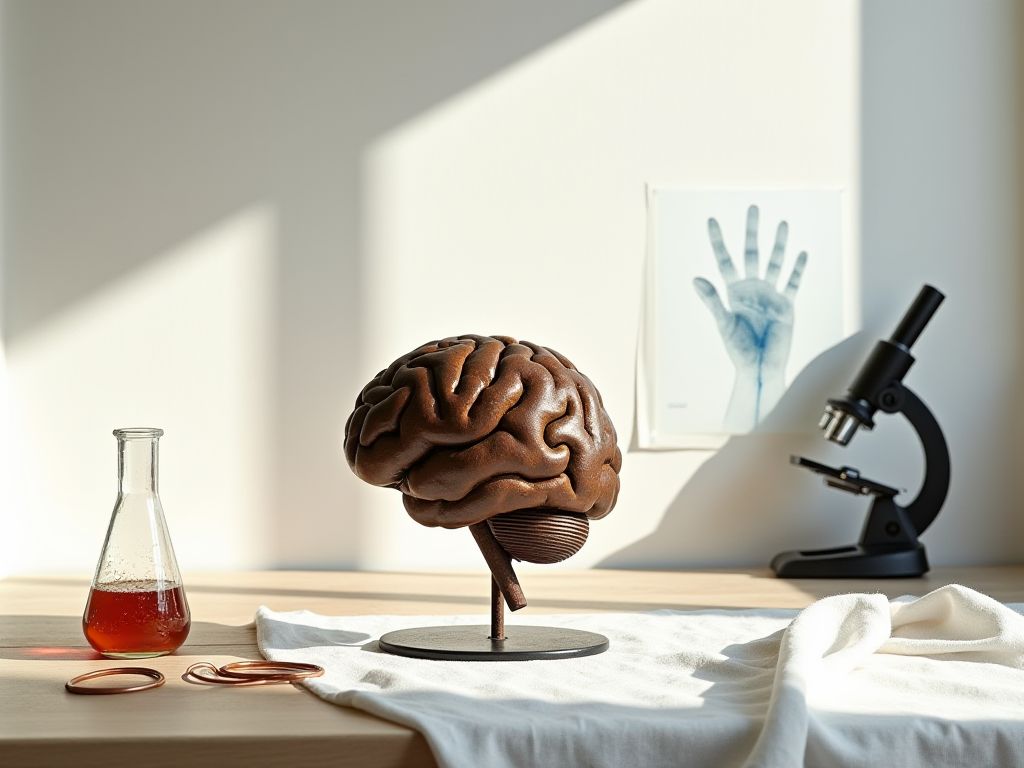
The Quiet Rust: How Your Brain Cells Are Dying in Ways You’ve Never Been Told
There’s a slow, insidious process happening in your brain right now—one that isn’t covered in most health guides or discussed in your doctor’s office. It’s called ferroptosis, a form of cellular death driven by iron overload and lipid peroxidation. Unlike apoptosis, which is a controlled shutdown, ferroptosis is a chaotic, oxidative cascade that turns brain cells into rusted fragments. And yet, most people are still told to “eat more antioxidants” or “take vitamin E” as if these are the final answers. They’re not. They’re just Band-Aids on a much deeper issue.
Why Most Advice Fails: The Myth of One-Size-Fits-All Solutions
Many people assume that ferroptosis is solely a problem of aging. But in clinical practice, I’ve seen younger patients with cognitive decline linked to this process—often due to poor diet, chronic stress, or even overuse of certain supplements. The standard advice to “eat more berries” or “take omega-3s” ignores the complexity of iron metabolism and the role of mitochondrial dysfunction. What surprised researchers was how easily ferroptosis could be triggered by everyday factors: a high-sugar meal, a night of sleep deprivation, or even a single bout of intense exercise without proper recovery.
This doesn’t work for everyone. Some individuals have genetic variations that make them more susceptible to iron accumulation, while others may struggle with the absorption of protective nutrients. Generic solutions often fail because they don’t account for these individual differences. If you’ve tried everything and still feel foggy or forgetful, it’s not just a matter of willpower—it’s a biological mismatch.
6 Practical Fixes: Targeting Ferroptosis at Its Core
1. Monitor and Modulate Iron Levels
Iron is essential, but too much is a toxin. Excess iron fuels ferroptosis by catalyzing free radical production. A simple blood test can reveal whether you’re overloading your system. If levels are high, consider donating blood periodically or consulting a specialist about chelation therapy—though this isn’t a quick fix.
2. Prioritize Lipid-Rich Foods
Omega-3 fatty acids and polyunsaturated fats aren’t just for heart health—they’re critical for preventing lipid peroxidation. Foods like salmon, flaxseeds, and walnuts can act as a buffer against oxidative stress. However, balance is key; too much of these fats without antioxidants can backfire.
3. Avoid Excessive Polyphenol Overload
While polyphenols are often praised for their antioxidant properties, some studies suggest that excessive intake (e.g., from concentrated supplements) might paradoxically increase ferroptosis risk. Focus on whole foods instead of isolated extracts.
4. Support Mitochondrial Health
Healthy mitochondria are your brain’s first line of defense. NAD+ precursors like nicotinamide riboside and compounds like coenzyme Q10 can help maintain mitochondrial function. But don’t expect miracles—these are tools, not shortcuts.
5. Reduce Chronic Inflammation
Chronic inflammation accelerates ferroptosis by disrupting cellular homeostasis. Addressing gut health, managing stress, and avoiding processed foods can lower systemic inflammation. This is where many people get stuck: they know inflammation is bad, but they don’t know how to target it effectively.
6. Optimize Sleep and Circadian Rhythm
Disrupted sleep patterns increase oxidative stress and impair the brain’s ability to clear metabolic waste. Consistent sleep timing, dim lighting before bed, and avoiding screens in the evening can help reset your circadian clock. If consistency is the issue, consider a tool that tracks your sleep patterns and provides personalized feedback.
Recommended for your journey
We've handpicked this top-rated health tool to help you achieve the results discussed in this article.
Check Price on Amazon*As an Amazon Associate, CureCurious.com earns from qualifying purchases.
Final Checklist: Your Brain’s Defense Against Rust
- ✅ Get your iron levels checked annually
- ✅ Incorporate omega-3s and other lipid-rich foods into meals
- ✅ Avoid excessive polyphenol supplements
- ✅ Take NAD+ or mitochondrial-supporting supplements as needed
- ✅ Prioritize gut health and stress management
- ✅ Maintain a consistent sleep schedule
There’s no single solution to ferroptosis, and no guarantee that these steps will work for you. But understanding the science—and rejecting oversimplified advice—can help you build a strategy that’s as unique as your biology. The goal isn’t perfection; it’s progress. Your brain deserves more than a quick fix.
Scientific References
- "Molecular mechanisms of ferroptosis and their involvement in brain diseases." (2023) View Study →
- "Rehmannioside A improves cognitive impairment and alleviates ferroptosis via activating PI3K/AKT/Nrf2 and SLC7A11/GPX4 signaling pathway after ischemia." (2022) View Study →



Written by Marcus Thorne
Sleep Hygiene Specialist
"Marcus helps people overcome insomnia and optimize their circadian rhythms. He believes that deep sleep is the foundation of all health."