Functional Fitness For Over 30
Published on December 13, 2025
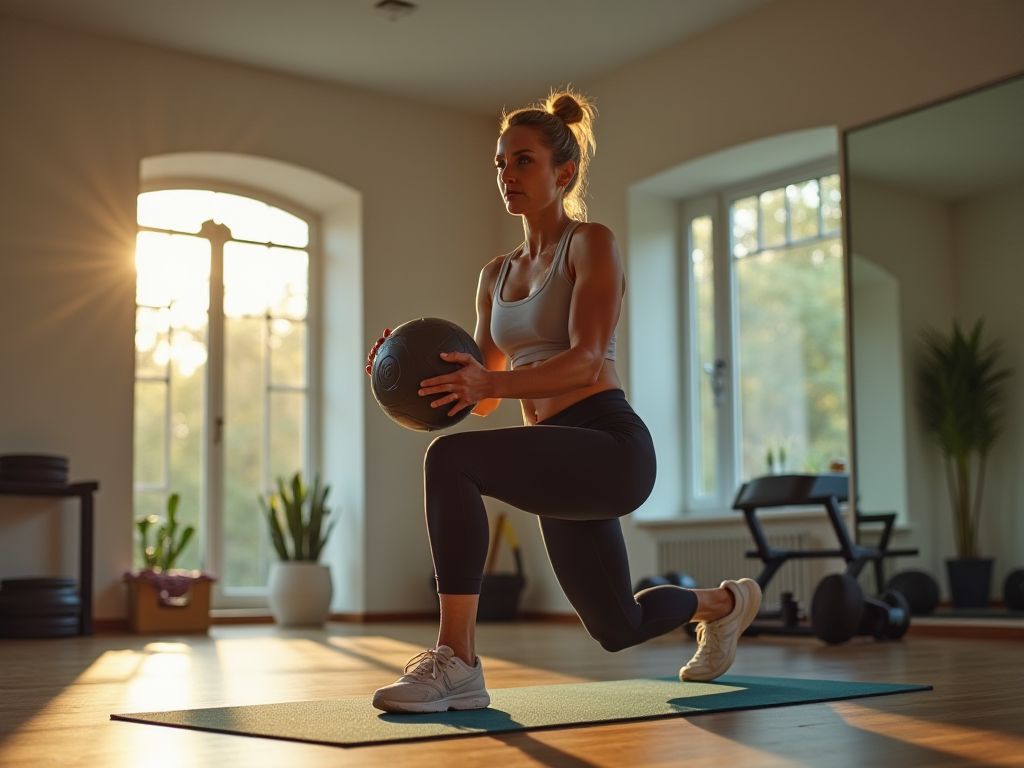
Functional Fitness for Over 30: A Science-Backed Guide to Stay Strong, Mobile, and Healthy
As we age, our bodies undergo natural changes that can affect strength, balance, and flexibility. For individuals over 30, maintaining functional fitness becomes a cornerstone of overall health. Functional fitness refers to exercises that mimic everyday movements, such as lifting, bending, and balancing. It’s not just about looking good—it’s about staying independent, preventing injuries, and enhancing quality of life. This article explores how functional fitness can benefit adults over 30, along with practical strategies to integrate it into daily routines.
1. Why Functional Fitness Matters After 30
After age 30, muscle mass naturally declines (a process called sarcopenia), and joint flexibility decreases. Functional fitness counteracts these changes by training the body to perform daily tasks with ease. Studies show that adults who engage in functional training experience fewer falls, improved posture, and better metabolic health compared to sedentary peers.
Partner Content


2. Key Components of Functional Fitness
Functional fitness focuses on four core elements:
- Balance and Stability: Enhances coordination and reduces fall risk.
- Strength and Endurance: Builds muscle to support joints and improve energy levels.
- Flexibility and Mobility: Keeps joints supple and reduces stiffness.
- Core Strength: Supports posture and protects the spine.
3. Top Functional Exercises for Adults Over 30
Here are science-backed exercises to try:
- Squats: Strengthen legs and glutes, mimicking sitting and standing motions.
- Push-Ups: Improve upper body strength and shoulder stability.
- Planks: Build core endurance and protect the lower back.
- Lunges: Enhance balance and leg strength for activities like climbing stairs.
- Yoga or Pilates: Boost flexibility, balance, and mental focus.
4. How to Integrate Functional Fitness Into Daily Life
No need for a gym. Incorporate movement into your routine:
- Walk or bike for errands instead of driving.
- Climb stairs instead of taking elevators.
- Do bodyweight exercises during commercial breaks while watching TV.
- Use resistance bands or household items (e.g., water bottles) as weights.
5. The Role of Nutrition in Functional Fitness
Proper nutrition fuels workouts and recovery. Prioritize:
- Protein: Supports muscle repair (aim for 1.2–2.2 grams per kilogram of body weight daily).
- Omega-3 Fatty Acids: Reduces inflammation and supports joint health.
- Hydration: Stays important for muscle function and cognitive performance.
6. Sleep and Recovery: The Hidden Pillar of Functional Fitness
Adults over 30 need 7–9 hours of sleep nightly. During sleep, the body repairs muscle tissue and consolidates learning. Poor sleep can hinder performance and increase injury risk, according to the National Sleep Foundation.
7. Injury Prevention Through Proper Technique
Functional fitness reduces injury risk when done correctly. Focus on:
- Engaging your core during exercises.
- Keeping movements slow and controlled.
- Listening to your body and avoiding overexertion.
8. Functional Fitness and Mental Health
Physical activity releases endorphins, which combat stress and depression. A 2021 study in Frontiers in Psychology found that adults who engaged in regular functional training reported higher self-esteem and lower anxiety levels.
9. Tracking Progress and Staying Motivated
Set measurable goals, such as improving your squat depth or increasing the number of push-ups. Use apps or journals to track workouts, and celebrate small wins to stay consistent.
10. The Importance of Consistency
Functional fitness is not a quick fix. Aim for at least 150 minutes of moderate-intensity activity weekly, as recommended by the World Health Organization. Consistency, not intensity, is the key to long-term benefits.
Frequently Asked Questions
Q1: Can I start functional fitness if I haven’t exercised in years?
Absolutely. Functional training is adaptable for all fitness levels. Start with low-impact exercises like walking or chair yoga and gradually increase intensity.
Q2: Do I need equipment for functional fitness?
No. Bodyweight exercises like squats and planks are effective. However, resistance bands or dumbbells can add variety and challenge.
Q3: How long until I see results?
Results vary, but most people notice improved energy and mobility within 4–6 weeks of consistent training.
Conclusion
Functional fitness is a powerful tool for adults over 30 to maintain independence, prevent age-related decline, and enjoy a vibrant life. By prioritizing balance, strength, and mobility through targeted exercises, nutrition, and lifestyle habits, you can stay active and healthy for decades to come. Remember: it’s never too late to start—but the sooner you begin, the more benefits you’ll reap.
Scientific References & Medical Evidence
- "Core Stability and Hip Exercises Improve Physical Function and Activity in Patients with Non-Specific Low Back Pain: A Randomized Controlled Trial." (2020) View study on PubMed.gov →
- "The Effect of Exercise on Life Quality and Depression Levels of Breast Cancer Patients." (2021) View study on PubMed.gov →
CureCurious verifies facts through peer-reviewed research.
You might also like
Recommended for your journey
We've handpicked this top-rated health tool to help you achieve the results discussed in this article.
Check Price on Amazon*As an Amazon Associate, CureCurious.com earns from qualifying purchases. This helps us keep our research free for everyone.

Written by Mark Davies
Certified Fitness Coach
"Mark is a certified strength and conditioning specialist (CSCS). He helps people build sustainable fitness habits and recover from sports injuries."