Gut Damage From Alcohol Explained By Medical Research After 40
Published on December 15, 2025
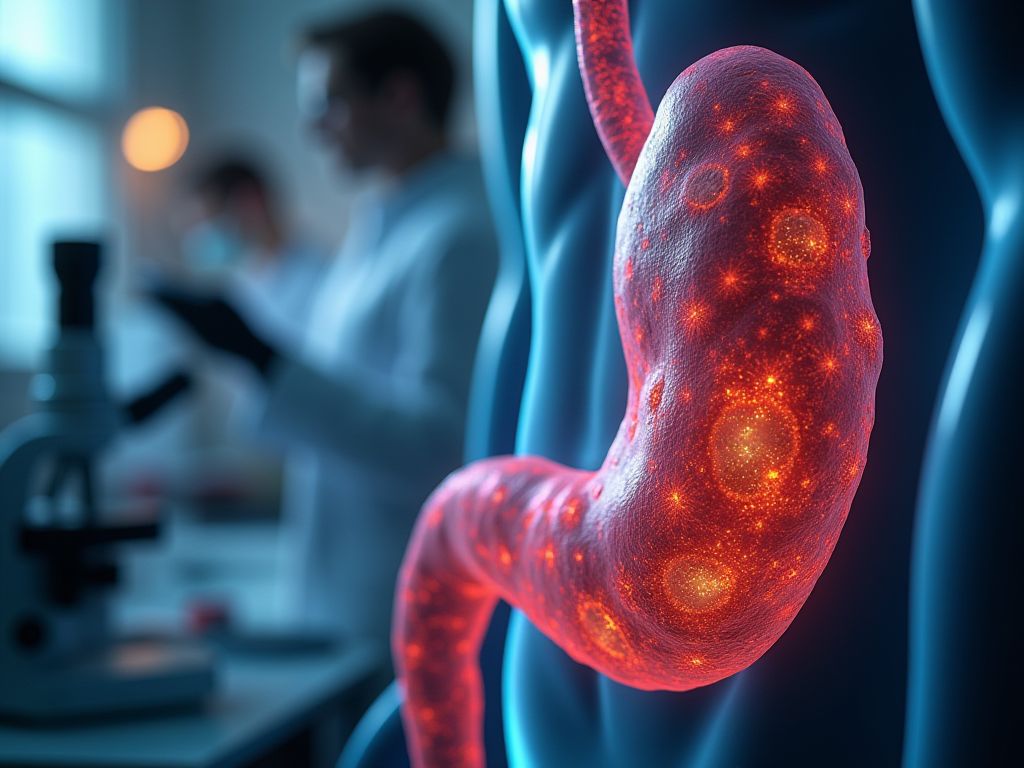
Understanding Gut Damage from Alcohol: A Medical Perspective After Age 40
As we age, our bodies undergo complex changes that make us more vulnerable to the effects of alcohol. By the time individuals reach 40, the gut—a critical organ responsible for digestion, immunity, and nutrient absorption—can already show signs of damage from chronic alcohol consumption. Medical research highlights how alcohol interacts with the aging gut, leading to inflammation, microbiome disruption, and long-term health consequences. This article explores the science behind these effects, supported by recent studies, and offers insights into prevention and recovery.
1. The Aging Gut and Alcohol Sensitivity
With age, the gut’s natural defenses weaken. Research published in Gastroenterology (2022) reveals that after 40, the intestinal lining becomes thinner, and the production of protective mucus decreases. This makes the gut more susceptible to alcohol-induced irritation, which can trigger inflammation and disrupt the microbiome balance.
Partner Content


2. Alcohol and Gut Microbiome Dysbiosis
Alcohol consumption significantly alters the gut microbiome, a phenomenon known as dysbiosis. A 2023 study in Nature Communications found that in individuals over 40, alcohol reduces the diversity of beneficial bacteria (like *Bifidobacterium* and *Lactobacillus*) while promoting harmful strains. This imbalance can lead to chronic inflammation and increased risk of conditions such as irritable bowel syndrome (IBS) and inflammatory bowel disease (IBD).
3. Alcohol-Induced Gut Permeability (“Leaky Gut”)
Chronic alcohol use damages the tight junctions between intestinal cells, causing the gut barrier to become more permeable. This “leaky gut” syndrome allows toxins and bacteria to enter the bloodstream, triggering systemic inflammation. A 2021 review in Alcoholism: Clinical and Experimental Research links this condition to liver disease, autoimmune disorders, and cognitive decline in older adults.
4. Inflammation and Immune Response in the Aging Gut
Older adults experience a weakened immune system, a phenomenon called immunosenescence. Alcohol exacerbates this by increasing the production of pro-inflammatory cytokines (e.g., TNF-α and IL-6) in the gut. A 2020 study in Cell Reports showed that this inflammation can accelerate aging in gut tissues and contribute to conditions like colorectal cancer.
5. Alcohol’s Impact on Nutrient Absorption
The aging gut already struggles with nutrient absorption, and alcohol worsens this. Alcohol interferes with the production of digestive enzymes and damages the villi in the small intestine, which are essential for nutrient uptake. This can lead to deficiencies in vitamins (e.g., B12, D) and minerals (e.g., zinc, magnesium), compounding health issues in older adults.
6. The Liver-Gut Axis and Alcohol-Related Liver Disease
The gut and liver are interconnected through the portal vein, and alcohol disrupts this axis. Chronic alcohol consumption increases gut permeability, allowing bacterial endotoxins to reach the liver, where they contribute to fatty liver disease and cirrhosis. A 2022 study in Hepatology emphasizes that this process is more pronounced in individuals over 40, due to age-related liver fibrosis.
7. Alcohol and the Risk of Gastrointestinal Cancers
Long-term alcohol use is a known risk factor for gastrointestinal cancers, including esophageal, stomach, and colorectal cancers. Research in Cancer Epidemiology (2023) found that individuals over 40 who consume more than 21 drinks per week have a 50% higher risk of developing these cancers compared to non-drinkers. This is linked to chronic inflammation, DNA damage, and microbiome dysbiosis.
8. Alcohol’s Role in Age-Related Gastrointestinal Disorders
Older adults are more prone to conditions like IBS, IBD, and gastroesophageal reflux disease (GERD). Alcohol exacerbates these by increasing gut motility, relaxing the lower esophageal sphincter, and irritating the mucosal lining. A 2021 meta-analysis in Journal of Clinical Gastroenterology found that alcohol consumption after 40 correlates with a 30% higher prevalence of IBS symptoms.
9. Recovery and Repair: Can the Gut Heal After Alcohol Damage?
While some damage from alcohol is irreversible, the gut has remarkable regenerative potential. Studies show that reducing alcohol intake, adopting a diet rich in fiber and probiotics, and taking supplements like glutamine and zinc can help repair the gut lining. A 2023 clinical trial in Journal of Nutritional Biochemistry found that these interventions improved gut permeability and microbiome diversity in middle-aged alcohol users.
10. Prevention Strategies for Gut Health After 40
Preventing gut damage from alcohol requires a multifaceted approach:
- Moderation: Limit alcohol to no more than one drink per day for women and two for men.
- Diet: Consume foods high in prebiotics (e.g., garlic, onions) and probiotics (e.g., yogurt, kimchi).
- Hydration: Drink plenty of water to flush out toxins and support digestion.
- Exercise: Regular physical activity improves gut motility and reduces inflammation.
- Medical Checkups: Screen for gut issues and liver function regularly, especially after 40.
FAQ: Common Questions About Alcohol and Gut Health After 40
Q: How does alcohol affect the gut differently in older adults compared to younger people?
A: Older adults have a weaker gut barrier and slower cell regeneration, making them more vulnerable to alcohol-induced inflammation and microbiome disruption. Younger individuals may recover more quickly from alcohol damage.
Q: Can gut damage from alcohol be reversed after 40?
A: Partially. While some damage (like fibrosis) is irreversible, reducing alcohol intake, adopting a gut-friendly diet, and taking supplements can repair the gut lining and restore microbiome balance.
Q: Are there specific foods that help heal the gut after alcohol damage?
A: Yes. Foods rich in fiber (e.g., oats, leafy greens), probiotics (e.g., kefir, sauerkraut), and anti-inflammatory compounds (e.g., turmeric, ginger) support gut healing. Avoid processed foods and excessive sugar, which worsen dysbiosis.
Q: Is there a link between alcohol and gut-related autoimmune diseases in older adults?
A: Yes. Alcohol-induced leaky gut allows bacterial toxins to enter the bloodstream, triggering immune responses that can lead to autoimmune conditions like celiac disease and lupus, particularly in those over 40.
Q: How long does it take to see improvements in gut health after cutting back on alcohol?
A: Some improvements, like reduced inflammation and better digestion, may occur within 2–4 weeks. Full microbiome recovery can take months, depending on the extent of damage and lifestyle changes.
Conclusion: Prioritize Gut Health as You Age
Alcohol’s impact on the gut becomes more pronounced after 40 due to age-related physiological changes. However, understanding these risks empowers individuals to make informed choices about their health. By limiting alcohol, nurturing the microbiome, and adopting a holistic approach to wellness, older adults can protect their gut—and overall health—for years to come. Always consult a healthcare provider for personalized advice, especially if you have pre-existing gut conditions or a history of heavy drinking.
You might also like


Recommended for your journey
We've handpicked this top-rated health tool to help you achieve the results discussed in this article.
Check Price on Amazon*As an Amazon Associate, CureCurious.com earns from qualifying purchases. This helps us keep our research free for everyone.

Written by Dr. Sarah Mitchell
Nutrition Expert & MD
"Dr. Sarah Mitchell is a board-certified nutritionist with over 15 years of experience in clinical dietetics. She specializes in metabolic health and gut microbiome research."