Gut Healing Diet For Over 30 For Athletes
Published on December 12, 2025
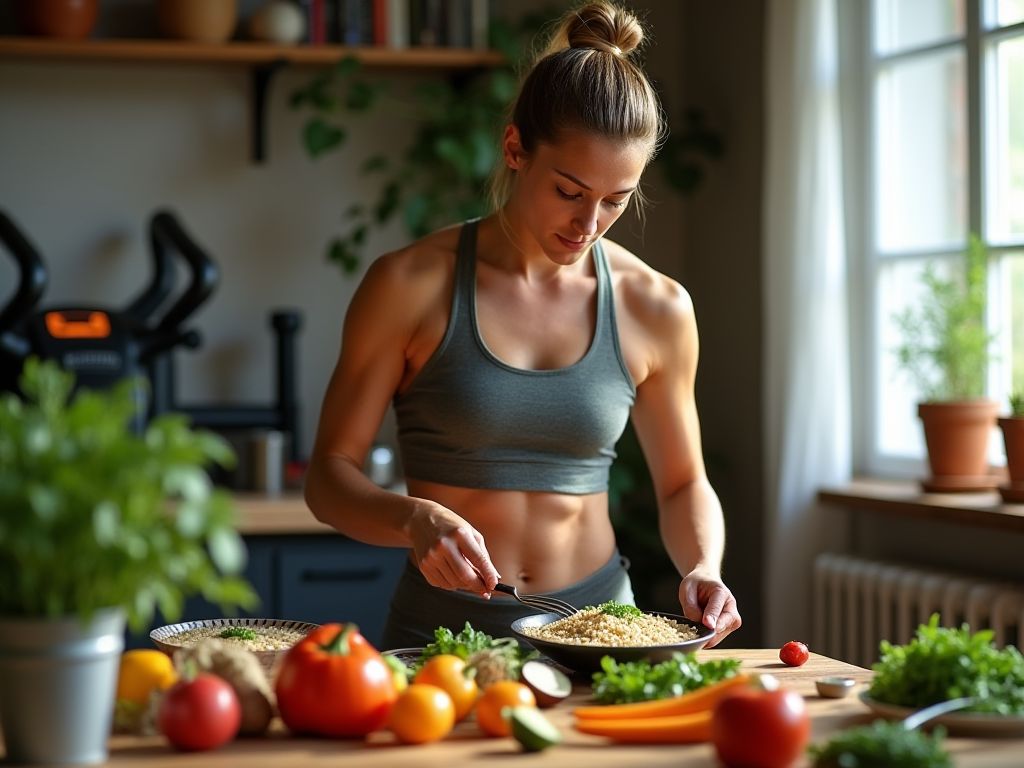
Unlocking Peak Performance: A Gut-Healing Diet for Athletes Over 30
As athletes age, their bodies undergo profound changes that impact digestion, immunity, and recovery. For those over 30, a gut-healing diet becomes a cornerstone of performance, helping to combat age-related gut issues, enhance nutrient absorption, and reduce inflammation. This article explores science-backed strategies to rebuild gut health, optimize athletic performance, and sustain longevity in sports.
1. Why Gut Health Matters for Aging Athletes
As we age, the gut microbiome shifts, often leading to reduced diversity and impaired digestion. For athletes over 30, this can manifest as slower recovery, increased inflammation, and suboptimal nutrient utilization. A healthy gut ensures efficient absorption of protein, vitamins, and minerals—critical for muscle repair and energy production. Studies show that athletes with imbalanced gut flora are more prone to injuries, fatigue, and immune dysfunction.
2. Key Principles of a Gut-Healing Diet
A gut-healing diet for athletes should prioritize:
- High-fiber foods to feed beneficial gut bacteria.
- Probiotic-rich foods to restore microbial balance.
- Anti-inflammatory ingredients to reduce gut irritation.
- Hydration to support digestion and nutrient transport.
- Limiting gut irritants like processed foods and artificial additives.
3. The Power of Fiber: Soluble vs. Insoluble
Fiber is a non-negotiable component of a gut-healing diet. Soluble fiber (found in oats, apples, and flaxseeds) helps regulate blood sugar and cholesterol, while insoluble fiber (found in whole grains and vegetables) promotes regular bowel movements. Athletes over 30 should aim for 25–30 grams of fiber daily, but increase gradually to avoid bloating.
4. Anti-Inflammatory Foods for Gut Repair
Chronic inflammation is a silent enemy of gut health. Incorporate these foods:
- Berries (blueberries, strawberries) rich in antioxidants.
- Fatty fish (salmon, mackerel) for omega-3 fatty acids.
- Spices like turmeric and ginger to reduce gut inflammation.
- Leafy greens (spinach, kale) packed with phytonutrients.
5. Probiotics: The Good Bacteria Boost
Probiotics reintroduce beneficial bacteria to the gut. Athletes should consume:
- Fermented foods: Yogurt, kefir, kimchi, and sauerkraut.
- Supplements: Strains like Lactobacillus and Bifidobacterium.
6. Hydration: The Often Overlooked Gut Ally
Dehydration thickens mucus and impairs digestion. Athletes over 30 should drink 3–4 liters of water daily, including electrolyte-rich fluids (coconut water, sports drinks) to maintain gut motility and prevent constipation.
7. Avoiding Gut Irritants: What to Cut Out
Processed foods, artificial sweeteners, excessive alcohol, and NSAIDs (like ibuprofen) can damage the gut lining. Replace these with whole, nutrient-dense alternatives to reduce inflammation and promote healing.
8. Personalized Nutrition: Tailoring the Diet to Your Gut
Each athlete’s gut is unique. Consider:
- Food sensitivity testing to identify triggers.
- Consulting a dietitian for customized meal plans.
- Monitoring symptoms like bloating or fatigue to adjust intake.
9. The Role of Sleep and Stress in Gut Health
Chronic stress and poor sleep disrupt gut motility and microbiome balance. Prioritize 7–9 hours of sleep and stress-reduction practices like meditation or yoga to support gut healing.
10. Tracking Progress: How to Know If Your Gut Is Healing
Signs of improvement include:
- Improved digestion (no bloating or constipation).
- Increased energy and faster recovery.
- Better sleep and reduced inflammation.
Frequently Asked Questions
Q: How long does it take to heal the gut?
A: Healing timelines vary, but consistent dietary changes often show improvement in 4–8 weeks.
Q: Are supplements necessary?
A: Supplements can help, but prioritize whole foods first. Consult a healthcare provider before starting.
Q: Can this diet work for plant-based athletes?
A: Yes! Focus on legumes, nuts, seeds, and fermented plant-based foods (like kimchi) for protein and probiotics.
Conclusion: Fuel Your Body, Transform Your Performance
A gut-healing diet is not just about digestion—it’s about unlocking your full athletic potential. By nurturing your gut, athletes over 30 can enhance recovery, reduce inflammation, and sustain peak performance for years to come. Start small, stay consistent, and consult professionals to tailor your approach. Your gut—and your athletic career—will thank you.
Scientific References & Medical Evidence
- "The Connection Between Physical Exercise and Gut Microbiota: Implications for Competitive Sports Athletes." (2022) View study on PubMed.gov →
- "The human gut microbiota: Metabolism and perspective in obesity." (2018) View study on PubMed.gov →
CureCurious verifies facts through peer-reviewed research.
You might also like


Recommended for your journey
We've handpicked this top-rated health tool to help you achieve the results discussed in this article.
Check Price on Amazon*As an Amazon Associate, CureCurious.com earns from qualifying purchases. This helps us keep our research free for everyone.

Written by Dr. Sarah Mitchell
Nutrition Expert & MD
"Dr. Sarah Mitchell is a board-certified nutritionist with over 15 years of experience in clinical dietetics. She specializes in metabolic health and gut microbiome research."