Gut Healing Diet For Vitality
Published on December 13, 2025
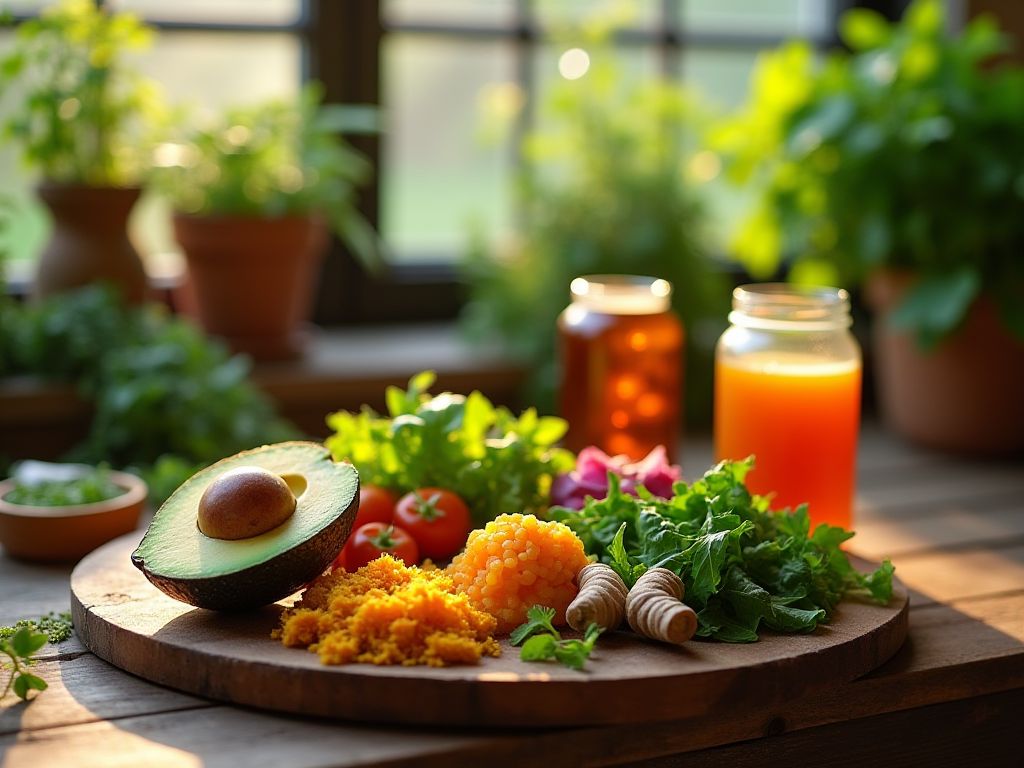
Unlocking Vitality Through a Gut-Healing Diet: A Science-Backed Guide
The gut is often referred to as the "second brain," but its role extends far beyond digestion. A healthy gut is the cornerstone of overall vitality, influencing immunity, mental health, and even longevity. In this article, we’ll explore the science behind gut healing diets, practical strategies to restore gut health, and how these changes can transform your energy, mood, and quality of life. Let’s dive into the essentials of nourishing your gut for long-term well-being.
1. Understanding the Gut Microbiome
The gut microbiome is a complex ecosystem of trillions of microorganisms that live in the digestive tract. These microbes play a critical role in digestion, nutrient absorption, and immune function. Imbalances—known as dysbiosis—can lead to inflammation, fatigue, and even chronic diseases. A gut-healing diet focuses on restoring this balance through whole, nutrient-dense foods.
Partner Content


2. The Role of Fiber in Gut Health
Fiber is a foundational element of a gut-healing diet. It acts as a prebiotic, feeding beneficial gut bacteria and promoting the production of short-chain fatty acids (SCFAs), which reduce inflammation. Soluble and insoluble fiber sources include:
- Vegetables (e.g., broccoli, carrots)
- Fruits (e.g., apples, berries)
- Whole grains (e.g., oats, quinoa)
- Nuts and seeds (e.g., chia seeds, flaxseeds)
3. Fermented Foods: Nature’s Probiotic Powerhouses
Probiotics are live beneficial bacteria that can help repopulate the gut. Fermented foods like yogurt, kefir, kimchi, sauerkraut, and kombucha are rich sources. These foods not only introduce beneficial microbes but also enhance digestion and immunity. Incorporate at least one serving of fermented foods daily for optimal gut health.
4. Avoiding Processed and Inflammatory Foods
Processed foods, refined sugars, and trans fats can disrupt gut flora and increase inflammation. These foods are linked to leaky gut syndrome and autoimmune conditions. Replace them with whole, unprocessed foods to reduce gut stress and promote healing. For example, swap sugary snacks for nuts or dark chocolate (70% cocoa or higher).
5. The Importance of Hydration for Gut Function
Water is essential for maintaining the mucosal lining of the gut and facilitating digestion. Dehydration can lead to constipation, bloating, and impaired nutrient absorption. Aim to drink at least 8 glasses of water daily, and consider herbal teas like ginger or peppermint to soothe the digestive tract.
6. Healing the Gut with Anti-Inflammatory Nutrients
Chronic inflammation is a root cause of many gut issues. Anti-inflammatory nutrients like omega-3 fatty acids, polyphenols, and antioxidants can reduce gut inflammation. Include foods such as:
- Fatty fish (e.g., salmon, mackerel)
- Olive oil and avocados
- Dark leafy greens (e.g., spinach, kale)
- Dark berries (e.g., blueberries, acai)
7. The Gut-Brain Connection: Stress and Mental Health
The gut and brain communicate via the vagus nerve, and chronic stress can disrupt gut function. Stress management techniques like meditation, yoga, and deep breathing can reduce cortisol levels and improve gut health. Prioritizing mental well-being is an integral part of a gut-healing journey.
8. Sleep: The Overlooked Gut Healing Tool
Quality sleep is crucial for gut repair and regeneration. During sleep, the gut produces melatonin, a hormone that supports digestion and immune function. Aim for 7–9 hours of uninterrupted sleep each night, and avoid screens before bedtime to enhance melatonin production.
9. Healing Leaky Gut: A Step-by-Step Approach
Leaky gut occurs when the intestinal barrier becomes permeable, allowing toxins to enter the bloodstream. Healing it involves:
- Eliminating gluten and dairy (temporary removal for 4–6 weeks)
- Increasing intake of L-glutamine, an amino acid that repairs the gut lining
- Reducing alcohol and caffeine consumption
- Using gut-healing supplements like zinc and omega-3s
10. Tracking Progress: Signs of a Healing Gut
Improvements in gut health may include:
- Reduced bloating and gas
- More regular and comfortable bowel movements
- Increased energy and mental clarity
- Improved skin health and digestion
Frequently Asked Questions (FAQ)
Q1: How long does it take to heal the gut? A: Healing time varies, but most people see improvements within 4–8 weeks with consistent dietary and lifestyle changes. Patience and consistency are key.
Q2: Can I eat dairy if I have a leaky gut? A: During the healing phase, it’s often recommended to eliminate dairy temporarily. Reintroduce it gradually after 6–8 weeks to assess tolerance.
Q3: Are supplements necessary for gut healing? A: Supplements like probiotics, prebiotics, and digestive enzymes can support gut healing but should complement—not replace—a nutrient-dense diet.
Q4: What if I don’t see results? A: Gut healing is highly individual. Consult a healthcare provider to rule out underlying conditions and adjust your plan accordingly.
Conclusion: Embrace a Life of Vitality Through Gut Health
A gut-healing diet is more than a short-term fix—it’s a lifelong commitment to nourishing your body and mind. By prioritizing whole foods, managing stress, and listening to your body’s signals, you can unlock a new level of vitality. Remember, the journey to gut health is personal, and small, consistent changes yield powerful results. Start today, and experience the transformative power of a healed gut for a healthier, more energetic you.
Scientific References & Medical Evidence
- "Food Components and Dietary Habits: Keys for a Healthy Gut Microbiota Composition." (2019) View study on PubMed.gov →
- "The brain-gut-microbiota interplay in depression: A key to design innovative therapeutic approaches." (2023) View study on PubMed.gov →
CureCurious verifies facts through peer-reviewed research.
You might also like


Recommended for your journey
We've handpicked this top-rated health tool to help you achieve the results discussed in this article.
Check Price on Amazon*As an Amazon Associate, CureCurious.com earns from qualifying purchases. This helps us keep our research free for everyone.

Written by Dr. Sarah Mitchell
Nutrition Expert & MD
"Dr. Sarah Mitchell is a board-certified nutritionist with over 15 years of experience in clinical dietetics. She specializes in metabolic health and gut microbiome research."