Gut Immune Connection For Over 40 For Busy Professionals
Published on December 12, 2025
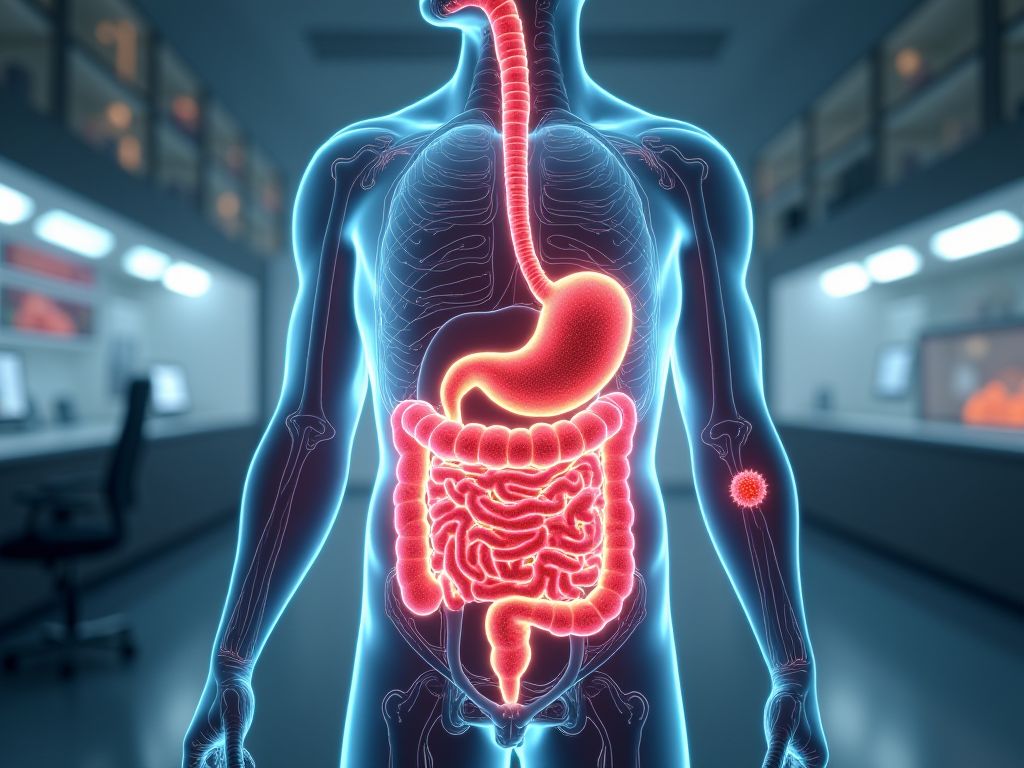
The Gut-Immune Connection: A Lifeline for Over-40 Professionals
As you navigate the demands of a busy career, your health often takes a backseat. Yet, your gut—home to 70% of your immune system—plays a critical role in keeping you resilient against illness, stress, and aging. For professionals over 40, understanding the gut-immune connection isn’t just about digestion; it’s about longevity, energy, and mental clarity. This article explores how to optimize your gut health to support your immune system, even with a packed schedule.
1. The Gut-Immune Connection: An Overview
Your gut is a hub of activity, hosting trillions of microorganisms that influence immunity, digestion, and even brain function. The gut-associated lymphoid tissue (GALT) is the largest component of your immune system, constantly monitoring pathogens and maintaining balance. When your gut is unhealthy, your immune system suffers—leading to chronic inflammation, frequent infections, and even autoimmune disorders.
Partner Content


2. The Role of the Gut Microbiome
Your gut microbiome—the community of bacteria, fungi, and viruses in your digestive tract—acts as a gatekeeper for your immune system. A diverse microbiome strengthens immunity by producing short-chain fatty acids, regulating inflammation, and training immune cells. Conversely, an imbalanced microbiome (dysbiosis) can trigger immune overactivity or underactivity, increasing susceptibility to disease.
3. How Aging Affects the Gut and Immune System
Aging naturally reduces gut microbiome diversity and weakens the gut barrier, making it easier for toxins and pathogens to enter the bloodstream. This “leaky gut” can trigger systemic inflammation, a key driver of age-related diseases like heart disease, diabetes, and cognitive decline. For professionals over 40, addressing these changes is essential to staying healthy and productive.
4. Diet: Fueling Gut and Immune Health
Your diet is the most powerful tool for shaping your gut microbiome. Prioritize:
- Fiber-rich foods (e.g., vegetables, legumes, whole grains) to feed beneficial bacteria.
- Fermented foods (e.g., yogurt, kimchi, sauerkraut) to introduce probiotics.
- Healthy fats (e.g., olive oil, nuts, avocados) to reduce inflammation.
- Limit processed foods and artificial sweeteners, which disrupt microbiome balance.
5. Stress and the Gut-Immune Axis
Chronic stress from work and life can wreak havoc on your gut. Stress hormones like cortisol weaken the gut barrier and alter microbiome composition, increasing inflammation and immune dysfunction. For professionals, stress management is non-negotiable. Techniques like mindfulness, deep breathing, and even short walks can help restore gut-immune harmony.
6. Sleep: The Overlooked Immune Booster
Poor sleep disrupts gut motility, increases inflammation, and weakens immunity. Adults over 40 need 7–9 hours of quality sleep nightly. Establishing a bedtime routine, limiting screen time before bed, and avoiding late meals can improve sleep and, in turn, gut health. A well-rested immune system is your best defense against illness.
7. Probiotics: Allies in Gut Health
Probiotics—beneficial bacteria—can restore gut balance and boost immunity. Look for supplements or foods containing strains like Lactobacillus and Bifidobacterium. However, not all probiotics are equal; choose products with live cultures and a high CFU count. Consult a healthcare provider to determine the right strain for your needs.
8. Prebiotics: Nourishing Your Gut Microbiome
Prebiotics are non-digestible fibers that feed probiotics and promote their growth. Foods like garlic, onions, bananas, and Jerusalem artichokes are rich in prebiotics. Incorporating these into your meals supports a thriving microbiome, which in turn strengthens immunity. For busy professionals, adding prebiotic-rich snacks to your routine is a small effort with big rewards.
9. Exercise and Gut Immune Health
Regular physical activity boosts gut motility, reduces inflammation, and enhances microbiome diversity. Even 30 minutes of moderate exercise (e.g., brisk walking, yoga, cycling) five times a week can improve gut health. For professionals, finding ways to move—like taking the stairs or stretching during work breaks—can make a significant impact.
10. Hydration: A Simple Yet Powerful Tool
Staying hydrated is crucial for gut and immune function. Water helps digest food, absorb nutrients, and flush out toxins. Dehydration can lead to constipation, which disrupts gut health. Aim for 8–10 glasses of water daily, and consider adding electrolytes if you’re physically active or in hot climates.
Frequently Asked Questions (FAQ)
Q1: What are the best probiotic foods for busy professionals?
A: Fermented foods like kefir, kimchi, sauerkraut, and kombucha are excellent. They’re portable, easy to prepare, and packed with beneficial bacteria.
Q2: Can stress really harm my gut immune system?
A: Yes. Chronic stress increases gut permeability and inflammation, weakening immunity. Stress management is key to maintaining gut health.
Q3: Are supplements necessary for gut immunity?
A: Not always. A balanced diet can support gut health. However, supplements like probiotics or prebiotics may be helpful if you have specific deficiencies or health goals.
Q4: How does sleep affect gut immunity?
A: Poor sleep disrupts gut motility and increases inflammation. Prioritizing quality sleep helps maintain a healthy gut and strong immune system.
Q5: Can I improve gut immunity without major lifestyle changes?
A: Yes. Small steps like drinking more water, eating more fiber, and taking short walks can make a difference over time.
Conclusion: Prioritize Your Gut, Empower Your Immune System
For professionals over 40, the gut-immune connection is a lifeline to health, energy, and longevity. While life is busy, small, consistent changes—like eating more whole foods, managing stress, and staying hydrated—can transform your gut and immune function. By investing in your gut health, you’re not just improving digestion; you’re building a stronger, more resilient body and mind. Start today—your future self will thank you.
Scientific References & Medical Evidence
- "The correlation between gut microbiome and atrial fibrillation: pathophysiology and therapeutic perspectives." (2023) View study on PubMed.gov →
- "Osteoporosis in postmenopausal women is associated with disturbances in gut microbiota and migration of peripheral immune cells." (2024) View study on PubMed.gov →
CureCurious verifies facts through peer-reviewed research.
You might also like


Recommended for your journey
We've handpicked this top-rated health tool to help you achieve the results discussed in this article.
Check Price on Amazon*As an Amazon Associate, CureCurious.com earns from qualifying purchases. This helps us keep our research free for everyone.

Written by CureCurious Team
Editorial Team
"Our editorial team consists of passionate health researchers dedicated to bringing you the latest science-backed wellness news."