Gut Immune Connection For Women
Published on December 13, 2025
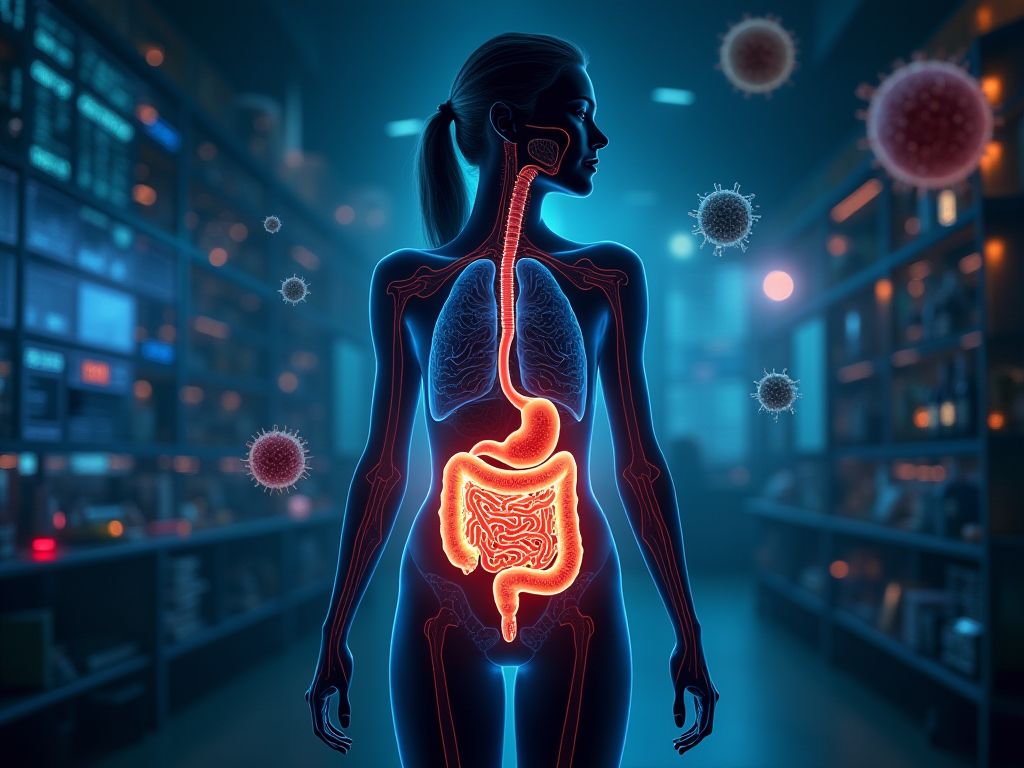
The Gut-Immune Connection: A Guide for Women
Did you know that over 70% of your immune system is located in your gut? This intricate relationship between your digestive tract and immunity is even more critical for women, whose unique hormonal, reproductive, and physiological needs shape how the gut and immune system interact. From hormonal fluctuations to autoimmune disease risks, understanding this connection can empower women to take proactive steps toward better health. Let’s dive into the science behind the gut-immune link and explore how women can harness this knowledge for lifelong wellness.
1. The Gut Microbiome: Your Body’s First Line of Defense
Your gut is home to trillions of microorganisms, collectively known as the gut microbiome. These microbes play a pivotal role in training your immune system to distinguish between harmful pathogens and harmless substances. A balanced microbiome produces short-chain fatty acids (SCFAs) like butyrate, which reduce inflammation and enhance immune function. Disruptions in this balance—such as from poor diet, stress, or antibiotics—can weaken immunity and increase susceptibility to infections and chronic diseases.
Partner Content


2. Hormonal Fluctuations and Gut Health
Estrogen and progesterone influence gut motility, microbiome composition, and immune response. For example, estrogen can increase gut permeability (leaky gut), while progesterone may slow digestion. These hormonal shifts during the menstrual cycle, pregnancy, or menopause can affect immune function and contribute to conditions like irritable bowel syndrome (IBS) or increased infection risks. Managing hormonal balance through diet and lifestyle is key to maintaining gut-immune harmony.
3. The Gut-Brain Axis: How Stress Impacts Immunity
The gut and brain communicate via the vagus nerve, forming the gut-brain axis. Chronic stress, anxiety, or depression can alter gut microbiome diversity and increase inflammation, weakening immune defenses. Women, who are more likely to experience stress-related disorders, may benefit from stress-reduction practices like mindfulness, yoga, or meditation to support both gut and immune health.
4. Diet: Fueling a Healthy Gut and Immune System
What you eat directly shapes your gut microbiome. A diet rich in fiber (from fruits, vegetables, and whole grains), fermented foods (like yogurt and kimchi), and polyphenols (found in berries and dark chocolate) promotes beneficial bacteria. Conversely, processed foods, sugar, and excessive alcohol can disrupt microbiome balance and impair immunity. Prioritizing nutrient-dense foods is essential for women’s long-term health.
5. Gut Health and Reproductive Wellness
A healthy gut supports reproductive health by regulating hormones and reducing inflammation. For instance, a balanced microbiome can improve fertility by optimizing estrogen metabolism and reducing endometriosis risk. During pregnancy, gut health is linked to lower rates of gestational diabetes, preterm birth, and allergies in offspring. Probiotics and prebiotics may also alleviate common pregnancy symptoms like constipation and nausea.
6. Menstrual Cycle and Gut-Immune Interactions
Hormonal changes during the menstrual cycle can cause gut dysbiosis, leading to symptoms like bloating, cramps, and fatigue. Progesterone dominance in the luteal phase may slow digestion, while estrogen fluctuations can alter immune cell activity. Tracking menstrual cycles and adjusting diet (e.g., increasing magnesium and omega-3s) can help mitigate these effects and support immunity.
7. Autoimmune Diseases: A Gut-Immune Link for Women
Women are disproportionately affected by autoimmune diseases like lupus, rheumatoid arthritis, and Hashimoto’s thyroiditis. Research suggests that gut dysbiosis and leaky gut contribute to immune system overactivity. Healing the gut through anti-inflammatory diets, probiotics, and reducing gluten or dairy intake may help manage autoimmune symptoms and reduce flare-ups.
8. Gut Health and Mental Health in Women
The gut-brain axis is particularly relevant for women, who are more prone to anxiety and depression. A healthy gut microbiome produces neurotransmitters like serotonin (which regulates mood) and GABA (which reduces anxiety). Dysbiosis, however, can increase inflammation and disrupt these processes. Supporting gut health through diet and probiotics may improve mental well-being and reduce stress-related immune issues.
9. Infections and Immune Response: A Woman’s Perspective
Women are more susceptible to certain infections, such as yeast infections and urinary tract infections (UTIs), due to anatomical differences and hormonal factors. A strong gut microbiome can enhance immunity by producing antimicrobial peptides and competing with harmful pathogens. Probiotics and fermented foods may reduce infection risks and support faster recovery.
10. Practical Tips for Women: Building a Strong Gut-Immune Connection
- Consume prebiotic-rich foods: Garlic, onions, and bananas feed beneficial gut bacteria.
- Take probiotics: Choose strains like Lactobacillus or Bifidobacterium for immune support.
- Manage stress: Practice deep breathing, meditation, or journaling to reduce gut inflammation.
- Limit processed foods: Avoid refined sugars and artificial additives that disrupt microbiome balance.
- Stay hydrated: Water helps maintain gut motility and prevents constipation.
Frequently Asked Questions
Q: Can probiotics help with autoimmune diseases?
A: Some studies suggest that specific probiotic strains may reduce inflammation and modulate immune responses in autoimmune conditions, but results vary. Consult a healthcare provider for personalized advice.
Q: How does the gut affect menstrual health?
A: Gut dysbiosis can disrupt hormone metabolism and increase inflammation, worsening PMS or irregular cycles. A fiber-rich, anti-inflammatory diet may help regulate hormones and reduce symptoms.
Q: Are there foods to avoid for a healthy gut?
A: Limit processed foods, excessive sugar, and artificial sweeteners, which can feed harmful gut bacteria and increase inflammation.
Conclusion
The gut-immune connection is a cornerstone of women’s health, influencing everything from reproductive wellness to mental resilience. By nurturing a balanced gut microbiome through diet, stress management, and targeted supplementation, women can strengthen their immune systems and reduce the risk of chronic diseases. Remember, your gut is not just a digestive organ—it’s a powerful ally in your journey to holistic well-being. Start today, and invest in your health for a lifetime of vitality.
Scientific References & Medical Evidence
- "Aberrant gut-microbiota-immune-brain axis development in premature neonates with brain damage." (2021) View study on PubMed.gov →
- "Irritable Bowel Syndrome, Depression, and Neurodegeneration: A Bidirectional Communication from Gut to Brain." (2021) View study on PubMed.gov →
CureCurious verifies facts through peer-reviewed research.
You might also like


Recommended for your journey
We've handpicked this top-rated health tool to help you achieve the results discussed in this article.
Check Price on Amazon*As an Amazon Associate, CureCurious.com earns from qualifying purchases. This helps us keep our research free for everyone.

Written by CureCurious Team
Editorial Team
"Our editorial team consists of passionate health researchers dedicated to bringing you the latest science-backed wellness news."