Healthy Meal Prep For Over 30 With Exercise Routine
Published on December 13, 2025
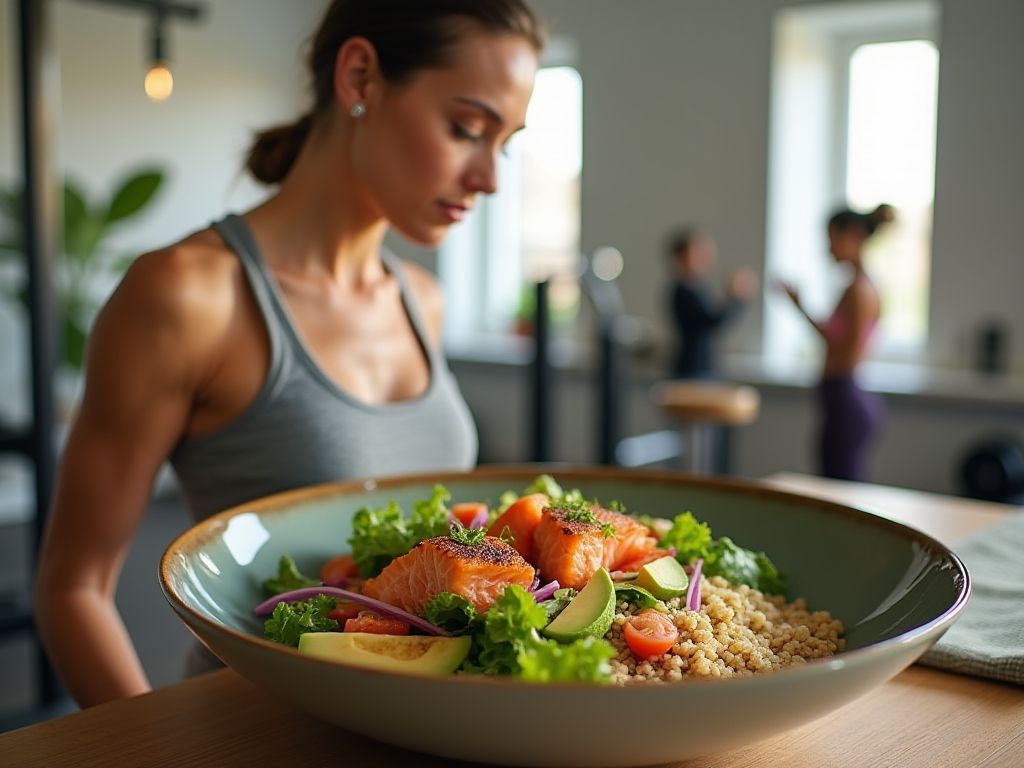
Healthy Meal Prep for Over 30: Fueling Your Body and Fitness Goals
As we age, our bodies undergo subtle but significant changes that affect metabolism, muscle preservation, and recovery. For those over 30 with an active lifestyle, meal prep becomes a powerful tool to sustain energy, support muscle growth, and optimize workout performance. This article breaks down science-backed strategies to create balanced, nutrient-dense meals that align with your fitness goals and lifestyle. Whether you’re training for a marathon, building strength, or simply maintaining health, the right meal prep approach can make all the difference.
1. Understand Your Unique Nutritional Needs
Metabolism naturally slows with age, and muscle mass decreases, making protein intake more critical for over 30s. Aim for 1.2–2.2 grams of protein per kilogram of body weight daily to preserve lean muscle and aid recovery. Prioritize sources like eggs, lean meats, legumes, and plant-based proteins. Additionally, focus on omega-3 fatty acids (found in salmon, walnuts, and flaxseeds) to reduce inflammation and support joint health, especially if you’re engaging in high-impact workouts.
Partner Content


2. Set Realistic Goals and Track Progress
Meal prep should align with your fitness objectives—whether weight loss, muscle gain, or general well-being. Use apps like MyFitnessPal or a simple journal to log meals and track macronutrient ratios. Set achievable weekly goals, such as preparing 5–6 meals ahead of time, and adjust based on how your body responds. Remember: consistency beats perfection.
3. Plan Meals Around Your Exercise Schedule
Coordinate meal timing with your workouts. For example:
- Pre-workout: A light snack 1–2 hours before exercising (e.g., a banana with almond butter).
- Post-workout: A high-protein, moderate-carb meal within 30–60 minutes (e.g., grilled chicken with sweet potatoes).
- Recovery: Include anti-inflammatory foods like turmeric, leafy greens, and berries to speed up muscle repair.
4. Batch Cooking: Time-Saving and Nutrient-Rich
Batch cooking allows you to prepare large quantities of healthy meals in one session, reducing time spent on daily cooking. Focus on versatile ingredients like:
- Grilled chicken or tofu
- Steamed vegetables
- Quinoa or brown rice
- Hard-boiled eggs
5. Prioritize Whole, Minimally Processed Foods
Whole foods like fruits, vegetables, whole grains, and lean proteins are packed with essential nutrients and fiber. Avoid highly processed items that are high in added sugars, sodium, and unhealthy fats. For example, opt for homemade hummus instead of store-bought versions, and choose frozen vegetables (which are often flash-frozen at peak ripeness) over canned alternatives with added preservatives.
6. Incorporate Healthy Fats for Sustained Energy
Healthy fats from sources like avocados, nuts, seeds, and olive oil are crucial for hormone production, brain function, and long-term energy. Include them in meals to stay full longer and support workout performance. A simple rule: aim for 20–35% of daily calories from fats, focusing on unsaturated fats over saturated ones.
7. Hydration: The Often-Overlooked Component
Staying hydrated is vital for joint health, muscle function, and workout endurance. Dehydration can lead to fatigue, cramps, and reduced performance. Aim for 2.5–3 liters of water daily, adjusting based on activity level and climate. Add electrolytes (like magnesium and potassium) through foods like coconut water, bananas, or a pinch of sea salt in water to enhance hydration.
8. Balance Macronutrients in Every Meal
Aim for a balanced plate with:
- 30% protein (e.g., grilled salmon, lentils)
- 40% complex carbohydrates (e.g., oats, brown rice)
- 30% healthy fats (e.g., olive oil, nuts)
9. Use Smart Storage and Labeling Techniques
Label and date all prepped meals to avoid confusion and ensure you eat the freshest options first. Use clear containers for easy visibility, and portion meals into individual servings to avoid overeating. For example, a single serving of roasted vegetables might be 1 cup, while a chicken protein portion could be 4–6 ounces.
10. Stay Flexible and Adapt to Life’s Changes
Life is unpredictable, so build flexibility into your meal prep plan. Keep a few quick, healthy snacks on hand (e.g., hard-boiled eggs, nuts, or Greek yogurt) for unexpected days. If you miss a meal, don’t stress—refocus on the next day and adjust your prep accordingly. The goal is to create sustainable habits, not perfection.
Frequently Asked Questions (FAQ)
Q: How can I make meal prep faster without sacrificing nutrition?
A: Invest in time-saving tools like a slow cooker, air fryer, or Instant Pot. Chop vegetables in bulk and store them in prepped containers. Use pre-washed greens and frozen veggies to cut down on prep time.
Q: What if I have a busy work schedule and can’t cook daily?
A: Plan ahead by dedicating one day a week to batch cooking. Freeze meals in portioned containers for easy reheating. Opt for simple recipes that require minimal ingredients and cooking time, like sheet pan meals or grain bowls.
Q: How do I avoid boredom with repetitive meals?
A: Rotate proteins, vegetables, and spices regularly. Experiment with new recipes each week, and use apps like Yummly or AllRecipes for inspiration. Try global cuisines (e.g., Thai, Mediterranean) to keep meals exciting.
Q: Can I still enjoy treats while meal prepping?
A: Absolutely! Incorporate small portions of indulgent foods (like dark chocolate or a slice of cake) into your weekly plan. Moderation is key—treats can be part of a balanced lifestyle without derailing your goals.
Q: How do I handle cravings during meal prep?
A: Cravings often signal nutrient gaps. Ensure your meals include enough protein, healthy fats, and fiber. If cravings persist, allow yourself a small portion of a craving item (e.g., a square of dark chocolate) to satisfy it without overdoing it.
Conclusion: Take Control of Your Health and Fitness
Healthy meal prep is more than a time-saving strategy—it’s a foundation for long-term wellness. By understanding your body’s needs, planning strategically, and staying flexible, you can create meals that fuel your workouts, support recovery, and enhance overall health. Start small, stay consistent, and remember: every step you take toward better nutrition is a step toward a stronger, more energized version of yourself. Your future self will thank you!
Scientific References & Medical Evidence
- "ESPEN guidelines on nutrition in cancer patients." (2017) View study on PubMed.gov →
- "2020 WHO guidelines on physical activity and sedentary behaviour for children and adolescents aged 5-17 years: summary of the evidence." (2020) View study on PubMed.gov →
CureCurious verifies facts through peer-reviewed research.
You might also like


Recommended for your journey
We've handpicked this top-rated health tool to help you achieve the results discussed in this article.
Check Price on Amazon*As an Amazon Associate, CureCurious.com earns from qualifying purchases. This helps us keep our research free for everyone.

Written by Dr. Sarah Mitchell
Nutrition Expert & MD
"Dr. Sarah Mitchell is a board-certified nutritionist with over 15 years of experience in clinical dietetics. She specializes in metabolic health and gut microbiome research."