Healthy Meal Prep: Supplement Stack
Published on December 12, 2025
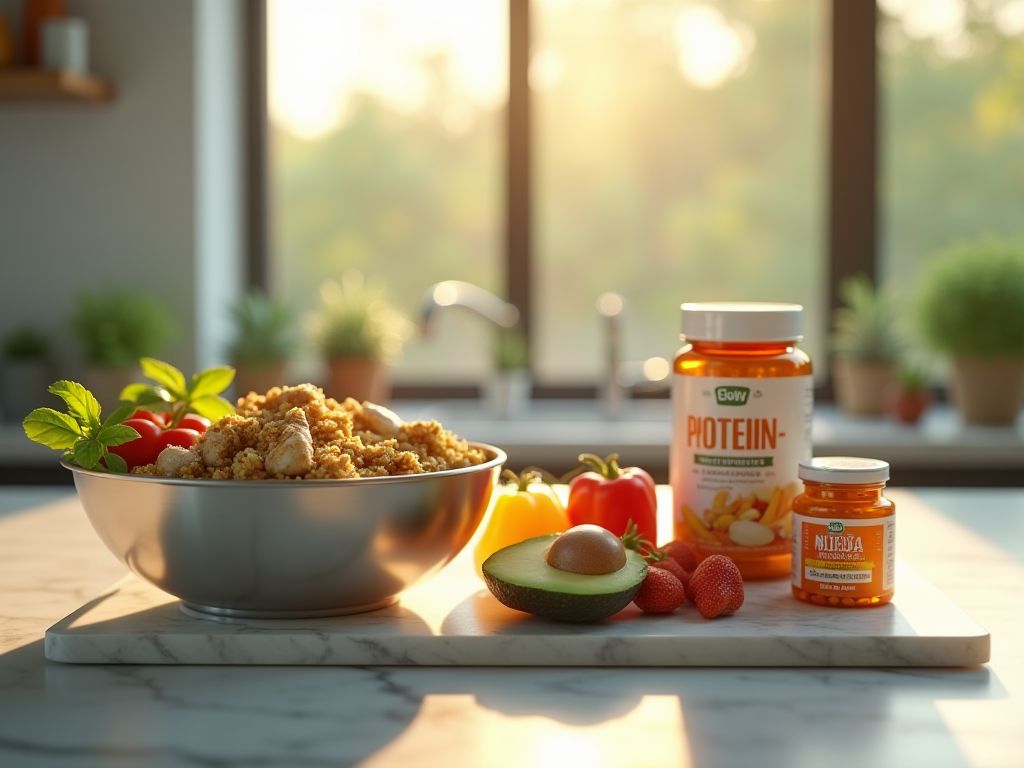
Healthy Meal Prep: The Science-Backed Guide to a Supplement Stack
Meal prepping is a cornerstone of healthy living, offering convenience, portion control, and a roadmap to consistent nutrition. However, many overlook the power of a well-designed supplement stack—a strategic combination of nutrients that can amplify the benefits of your prepped meals. Whether you're fueling for fitness, managing a chronic condition, or simply aiming for optimal wellness, the right supplements can bridge nutritional gaps and support your goals. In this article, we’ll explore the science behind a healthy meal prep supplement stack, how to tailor it to your needs, and practical tips for integrating it seamlessly into your routine.
1. Understanding the Role of a Supplement Stack in Meal Prep
A supplement stack is a curated blend of vitamins, minerals, and functional ingredients designed to complement whole foods. When paired with nutrient-dense meal preps, it ensures you’re meeting your daily requirements for macronutrients and micronutrients. For example, if your meals are low in omega-3s, adding a fish oil supplement can enhance heart and brain health.
2. Key Components of a Healthy Meal Prep Supplement Stack
- Protein Powders or BCAAs: Essential for muscle repair and satiety, especially if your meals are plant-based or low in protein.
- Vitamins and Minerals: Focus on fat-soluble vitamins (A, D, E, K) and B-complex, which are often under-consumed in modern diets.
- Electrolytes: Sodium, potassium, and magnesium are critical for hydration and muscle function, especially during intense workouts.
- Prebiotics and Probiotics: Support gut health, which is vital for nutrient absorption and immunity.
3. How to Align Your Supplement Stack with Your Meal Prep Goals
Your supplement choices should reflect your specific goals. For weight loss, prioritize fiber-rich supplements like psyllium husk. For athletic performance, consider creatine or branched-chain amino acids (BCAAs). Always align your stack with the nutritional profile of your prepped meals to avoid redundancy or imbalances.
4. Timing Matters: When to Take Your Supplements
The timing of supplements can influence their efficacy. For example:
- Caffeine: Best in the morning for energy and focus.
- Protein: Ideal post-workout to aid muscle recovery.
- Melatonin: Take 30 minutes before bedtime for better sleep.
5. The Importance of Whole Foods: Supplements Shouldn’t Replace Them
While supplements are valuable, they’re not a substitute for whole foods. Meal prepping with colorful vegetables, lean proteins, and healthy fats ensures you’re getting fiber, antioxidants, and phytonutrients that supplements can’t replicate. Think of your supplement stack as a "nutrition insurance policy."
6. Customizing Your Stack Based on Your Diet
Your supplement needs depend on your dietary preferences:
- Vegan/Vegetarian: Consider B12, iron, and vitamin D supplements.
- Keto/Low-Carb: Focus on electrolytes, magnesium, and omega-3s.
- Gluten-Free: Ensure supplements are free from cross-contamination.
7. The Science Behind Popular Supplements for Meal Prep
Research-backed supplements include:
- Collagen: Supports joint and skin health when added to soups or smoothies.
- Curcumin: Enhances anti-inflammatory effects when paired with black pepper (piperine).
- Vitamin C: Boosts iron absorption from plant-based meals.
8. Avoiding Common Pitfalls in Supplement Stacking
Be cautious of:
- Overlapping Nutrients: Taking excessive vitamin A or D can be toxic.
- Drug Interactions: Consult a healthcare provider if on medications.
- Low-Quality Products: Choose third-party tested supplements for safety.
9. Integrating Supplements into Your Meal Prep Routine
Here’s how to make it work:
- Keep supplements in your kitchen or pantry for easy access.
- Add protein powder to oatmeal or smoothies for a quick boost.
- Use probiotics in fermented foods like kimchi or kombucha.
10. Tracking Progress: How to Measure the Impact
Track your energy levels, digestion, and biomarkers (e.g., blood work) to see how your stack and meal prep are working. Apps like MyFitnessPal can help log both meals and supplements for a holistic view.
Frequently Asked Questions
Q: Can I take multiple supplements at once?
A: Yes, but avoid taking large doses of fat-soluble vitamins (A, D, E, K) together, as they may compete for absorption.
Q: Are supplements safe during pregnancy?
A: Always consult a healthcare provider before starting any supplement, especially during pregnancy or breastfeeding.
Q: How do I know if I need a supplement?
A: A blood test or consultation with a dietitian can identify deficiencies.
Conclusion: A Holistic Approach to Wellness
Healthy meal prep and a well-structured supplement stack work hand-in-hand to support your body’s needs. By combining nutrient-dense meals with science-backed supplements, you can unlock energy, resilience, and longevity. Remember, consistency is key—start small, track your progress, and adjust your stack as your goals evolve. Your body will thank you!
Scientific References & Medical Evidence
- "Utilization of Isoflavones in Soybeans for Women with Menopausal Syndrome: An Overview." (2021) View study on PubMed.gov →
- "Complementary feeding of infants and young children 6 to 23 months of age." (2021) View study on PubMed.gov →
CureCurious verifies facts through peer-reviewed research.
You might also like


Recommended for your journey
We've handpicked this top-rated health tool to help you achieve the results discussed in this article.
Check Price on Amazon*As an Amazon Associate, CureCurious.com earns from qualifying purchases. This helps us keep our research free for everyone.

Written by Dr. Sarah Mitchell
Nutrition Expert & MD
"Dr. Sarah Mitchell is a board-certified nutritionist with over 15 years of experience in clinical dietetics. She specializes in metabolic health and gut microbiome research."