Hidden Health Risks Of Dopamine Dysregulation And Smoking
Published on December 16, 2025
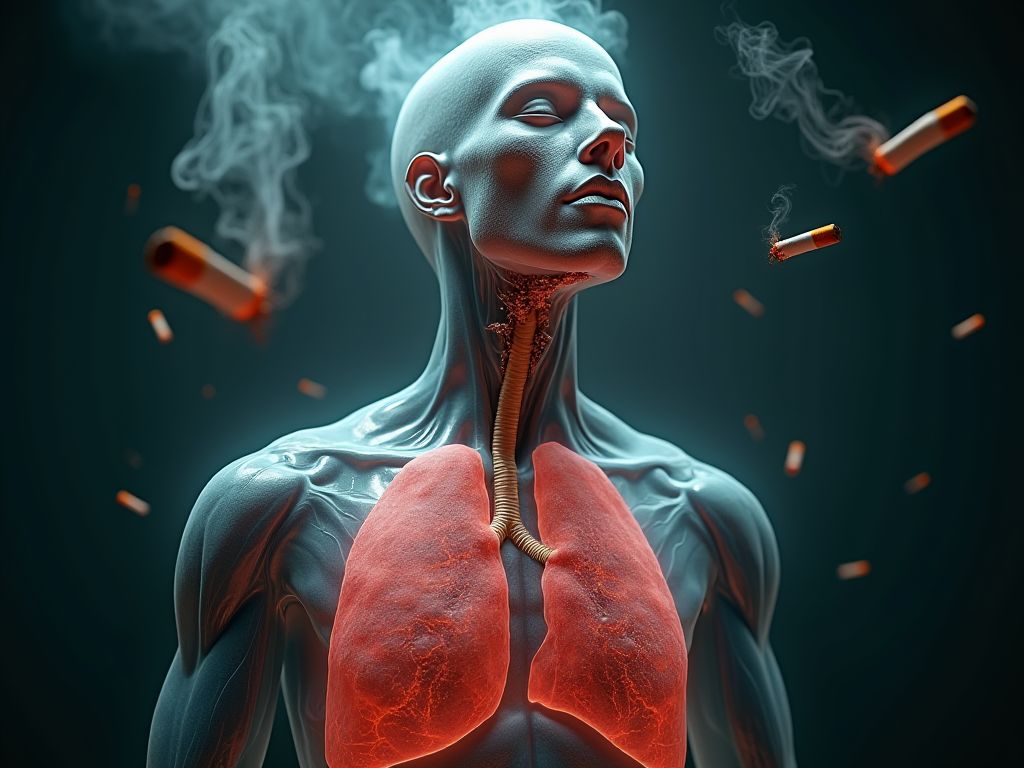
Introduction: The Hidden Connection Between Dopamine Dysregulation and Smoking
Smoking is often viewed as a personal choice, but its health risks extend far beyond the well-known dangers of lung cancer and respiratory disease. Emerging research reveals a complex interplay between smoking and dopamine dysregulation—a disruption in the brain’s reward system that can lead to addiction, mental health challenges, and long-term physiological damage. This article explores the hidden health risks of this connection, shedding light on how smoking exacerbates dopamine imbalances and vice versa, with implications for both physical and mental well-being.
1. Understanding Dopamine and Its Role in the Brain
Dopamine is a neurotransmitter critical for regulating motivation, pleasure, and reward. It is released during activities that promote survival, such as eating or socializing, but is also heavily involved in addiction. Smoking tobacco triggers a surge of dopamine, creating a temporary sense of euphoria that reinforces the habit.
2. How Smoking Disrupts Dopamine Regulation
Nicotine, the addictive component of tobacco, binds to nicotinic acetylcholine receptors in the brain, leading to increased dopamine release. Over time, this repeated stimulation causes the brain to reduce its natural dopamine production, creating a dependency on external sources (like nicotine) to feel “normal.” This dysregulation can persist even after quitting smoking.
3. The Vicious Cycle: Dopamine Dysregulation and Smoking Addiction
Individuals with pre-existing dopamine dysregulation (e.g., due to genetic factors, trauma, or mental health conditions) are more susceptible to nicotine addiction. Smoking becomes a coping mechanism for low dopamine levels, deepening the cycle of dependence and worsening brain chemistry over time.
4. Hidden Cardiovascular Risks Linked to Dopamine Dysregulation
Chronic nicotine use alters vascular function and increases inflammation, contributing to hypertension and atherosclerosis. Dopamine dysregulation may also impair the body’s ability to regulate heart rate and blood pressure, compounding these risks and elevating the likelihood of heart attacks and strokes.
5. Respiratory Health and the Brain’s Reward System
While smoking is famously linked to lung damage, dopamine dysregulation may worsen respiratory outcomes. Studies suggest that altered dopamine signaling can reduce the brain’s sensitivity to the harmful effects of smoke, making it harder for individuals to quit and increasing the risk of chronic obstructive pulmonary disease (COPD).
6. Mental Health Consequences: Depression, Anxiety, and Beyond
Dopamine dysregulation is a known contributor to depression and anxiety. Smoking exacerbates these conditions by further destabilizing neurotransmitter balance. Long-term smokers are at higher risk for mood disorders, with nicotine withdrawal symptoms often mimicking depressive episodes.
7. The Impact on Cognitive Function and Neurodegeneration
Chronic nicotine use and dopamine dysregulation are associated with accelerated cognitive decline. Research indicates that smoking increases the risk of Alzheimer’s disease and other dementias by promoting oxidative stress and reducing brain-derived neurotrophic factor (BDNF), a protein crucial for neuronal health.
8. Hidden Risks for Women and Adolescents
Women and adolescents are particularly vulnerable to the combined effects of dopamine dysregulation and smoking. Hormonal fluctuations in women can amplify nicotine’s impact on dopamine, while adolescent brains are still developing their reward systems, making them more susceptible to addiction and long-term mental health issues.
9. The Role of Genetics and Environment
Genetic predispositions, such as variations in the DRD2 gene (which codes for dopamine receptors), can increase susceptibility to both smoking addiction and dopamine dysregulation. Environmental factors like stress, trauma, and socioeconomic status further compound these risks, creating a complex web of vulnerability.
10. Strategies for Breaking the Cycle
Addressing dopamine dysregulation and smoking requires a multifaceted approach:
- **Behavioral therapies** (e.g., CBT) to retrain the brain’s reward system.
- **Medications** like varenicline or bupropion to reduce nicotine cravings.
- **Exercise** to naturally boost dopamine levels and improve mental health.
- **Dietary changes** to support neurotransmitter balance (e.g., omega-3 fatty acids, antioxidants).
- **Support groups** to combat isolation and reinforce quitting efforts.
Frequently Asked Questions
Q1: Can dopamine dysregulation be reversed?
A: While complete reversal is rare, targeted interventions like therapy, lifestyle changes, and medication can significantly improve dopamine function over time.
Q2: How does smoking affect dopamine levels in the long term?
A: Chronic smoking reduces the brain’s natural dopamine production, leading to dependency and a diminished ability to experience pleasure from non-nicotine sources.
Q3: Are e-cigarettes a safer alternative for dopamine dysregulation?
A: E-cigarettes still deliver nicotine, which can perpetuate dopamine dysregulation. However, they may be less harmful than traditional cigarettes in terms of respiratory damage, though more research is needed.
Q4: What are the signs of dopamine dysregulation?
A: Common signs include difficulty experiencing pleasure, increased cravings for stimulants, mood swings, and impaired decision-making.
Q5: Can quitting smoking improve dopamine function?
A: Yes. Studies show that quitting smoking can lead to partial recovery of dopamine receptor sensitivity over months to years, though the process varies by individual.
Conclusion: A Call for Awareness and Action
The hidden health risks of dopamine dysregulation and smoking are profound and far-reaching, affecting everything from cardiovascular health to mental well-being. Breaking this cycle requires understanding the science, recognizing personal risks, and seeking comprehensive care. By addressing both the neurological and physiological aspects of this issue, individuals can reclaim their health and reduce the long-term burden of addiction and disease. The journey is challenging, but with the right tools and support, recovery is possible—starting with a single, informed step forward.
Scientific References & Medical Evidence
- "Reward and inhibition in obesity and cigarette smoking: Neurobiological overlaps and clinical implications." (2023) View study on PubMed.gov →
- "ADHD and smoking: from genes to brain to behavior." (2008) View study on PubMed.gov →
CureCurious verifies facts through peer-reviewed research.
You might also like


Recommended for your journey
We've handpicked this top-rated health tool to help you achieve the results discussed in this article.
Check Price on Amazon*As an Amazon Associate, CureCurious.com earns from qualifying purchases. This helps us keep our research free for everyone.

Written by Dr. Sarah Mitchell
Nutrition Expert & MD
"Dr. Sarah Mitchell is a board-certified nutritionist with over 15 years of experience in clinical dietetics. She specializes in metabolic health and gut microbiome research."