Hidden Health Risks Of Drug Induced Mood Instability And Processed Food Addiction
Published on December 15, 2025
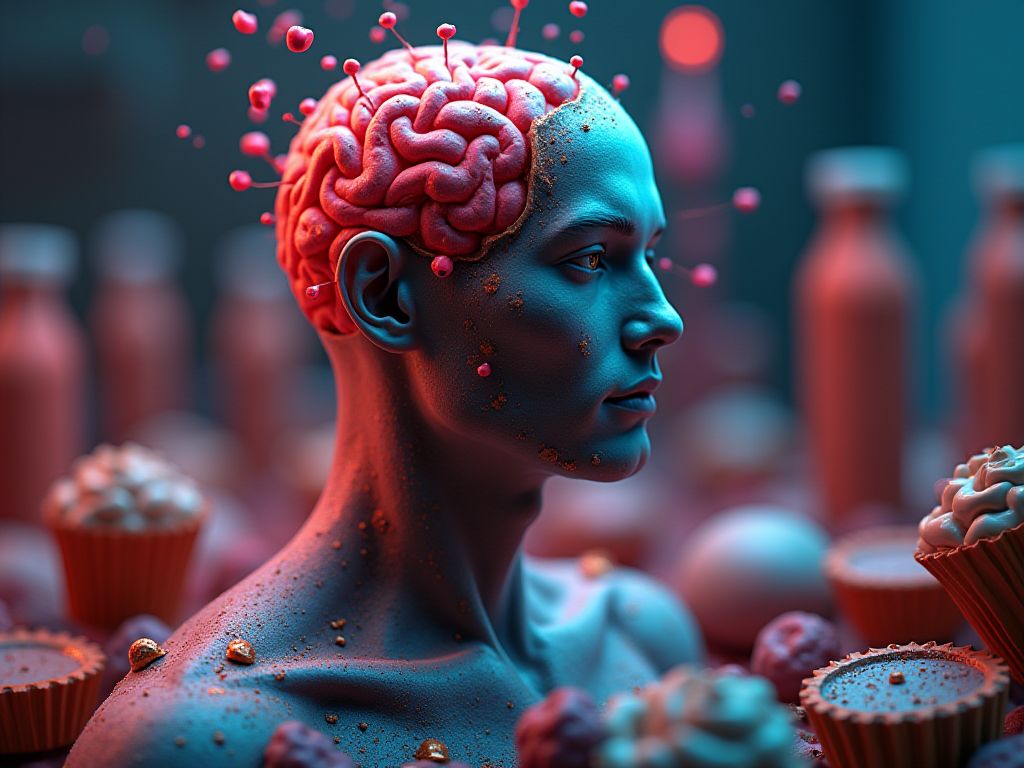
Hidden Health Risks of Drug-Induced Mood Instability and Processed Food Addiction
Modern lifestyles often expose individuals to two seemingly unrelated yet deeply interconnected health challenges: drug-induced mood instability and processed food addiction. While these issues are frequently discussed in isolation, their combined impact on physical and mental health can be devastating. This article explores the science behind these risks, their overlapping mechanisms, and the hidden dangers they pose to long-term well-being.
1. Understanding Drug-Induced Mood Instability
Drug-induced mood instability refers to the unpredictable emotional fluctuations caused by substance use, whether from prescription medications, illicit drugs, or even over-the-counter stimulants. Common culprits include:
- Stimulants: Cocaine, amphetamines, and even caffeine can trigger manic episodes or severe anxiety.
- Depressants: Alcohol, benzodiazepines, and opioids often lead to depression, apathy, or mood swings.
- Antidepressants: Paradoxically, some medications (e.g., SSRIs) may initially cause emotional numbness or agitation.
These substances disrupt neurotransmitter balance, particularly serotonin, dopamine, and GABA, leading to erratic emotional states and long-term brain changes.
2. The Neurochemistry of Processed Food Addiction
Processed foods—loaded with refined sugars, unhealthy fats, and artificial additives—can hijack the brain’s reward system similarly to drugs. Key mechanisms include:
- Dopamine Surges: High sugar and fat content trigger rapid dopamine release, mimicking the effects of addictive drugs.
- Craving Loops: Artificial flavorings and preservatives (e.g., MSG) enhance palatability, making overeating compulsive.
- Insulin Resistance: Frequent consumption of refined carbs impairs glucose metabolism, worsening mood and energy levels.
Over time, this creates a cycle of dependency that mirrors substance abuse, even though the "drug" is food.
3. How These Two Issues Interact
Drug use and processed food addiction often co-occur, amplifying each other’s risks. For example:
- Substance users may turn to junk food to self-medicate cravings or withdrawal symptoms.
- Processed food addiction can lower impulse control, increasing the likelihood of drug relapse.
- Both conditions damage gut health, which in turn affects brain function and mood regulation.
This synergy creates a "double whammy" of physical and mental health deterioration.
4. Long-Term Physical Health Risks
Both issues contribute to chronic diseases, including:
- Cardiovascular Disease: Stimulants increase heart rate; processed foods raise cholesterol and blood pressure.
- Obesity and Diabetes: Poor dietary choices and drug-induced metabolic disruptions compound weight gain.
- Gastrointestinal Disorders: Alcohol, drugs, and processed foods all damage the gut microbiome.
These risks are often underestimated but are critical to address for long-term survival.
5. Mental Health Consequences
The psychological toll is profound:
- Depression and Anxiety: Both drug use and processed food addiction disrupt neurotransmitter systems.
- Impulse Control Disorders: Brain regions like the prefrontal cortex are weakened in both cases.
- Psychotic Symptoms: High-dose stimulant use and extreme malnutrition can trigger hallucinations or paranoia.
These conditions often lead to social isolation, job loss, and strained relationships.
6. Hidden Risks in Vulnerable Populations
Certain groups face unique dangers:
- Adolescents: Developing brains are especially susceptible to both drug and food addiction.
- Pregnant Women: Substance use and poor nutrition increase risks for fetal development and birth complications.
- Elderly Individuals: Polypharmacy (multiple medications) and reduced metabolism heighten vulnerability to mood instability.
These populations require tailored interventions to mitigate harm.
7. The Role of the Gut-Brain Axis
Emerging research highlights the gut-brain connection:
- Processed foods and drugs alter gut microbiota, which influences serotonin production (90% of it is made in the gut).
- Leaky gut syndrome from poor diet or drug use can trigger systemic inflammation, worsening mental health.
- Probiotics and anti-inflammatory diets may help repair this damage, offering a dual benefit.
This connection underscores the importance of holistic approaches to treatment.
8. Prevention Strategies
Preventing these risks requires proactive measures:
- Education: Teaching about the dangers of substance use and ultra-processed foods in schools and workplaces.
- Healthy Habits: Encouraging balanced diets, regular exercise, and stress-management techniques.
- Policy Changes: Regulating food additives and improving access to mental health care.
Community and individual efforts are both essential.
9. Effective Treatment Approaches
Treatment must address both the physical and psychological aspects:
- Medical Detox: For drug addiction, supervised withdrawal is critical to avoid severe mood crashes.
- Nutritional Therapy: Replacing processed foods with whole, nutrient-dense options to restore brain function.
- Cognitive Behavioral Therapy (CBT): Helps reframe addictive behaviors and build resilience.
Integrated care models that combine these approaches show the highest success rates.
Frequently Asked Questions
Q: Can processed food addiction be as harmful as drug addiction?
A: Yes. Both conditions alter the brain’s reward system and can lead to similar levels of dependency, though the mechanisms differ.
Q: How do I know if my mood swings are drug-induced or a mental health issue?
A: A healthcare provider can assess your history, conduct blood tests, and rule out underlying conditions like bipolar disorder.
Q: Are there natural ways to manage cravings for both drugs and processed foods?
A: Yes. Practices like mindfulness, adequate sleep, and a diet rich in omega-3s and antioxidants can help regulate cravings.
Conclusion
The hidden health risks of drug-induced mood instability and processed food addiction are complex but not insurmountable. By understanding the science behind these issues and adopting proactive strategies, individuals can reclaim their health and break the cycle of dependency. Remember: healing is possible, but it begins with awareness and the courage to seek help. Prioritize your well-being—your mind and body deserve it.
You might also like


Recommended for your journey
We've handpicked this top-rated health tool to help you achieve the results discussed in this article.
Check Price on Amazon*As an Amazon Associate, CureCurious.com earns from qualifying purchases. This helps us keep our research free for everyone.

Written by Dr. Sarah Mitchell
Nutrition Expert & MD
"Dr. Sarah Mitchell is a board-certified nutritionist with over 15 years of experience in clinical dietetics. She specializes in metabolic health and gut microbiome research."