Hidden Health Risks Of Fat Loss Resistance From Toxins
Published on December 15, 2025
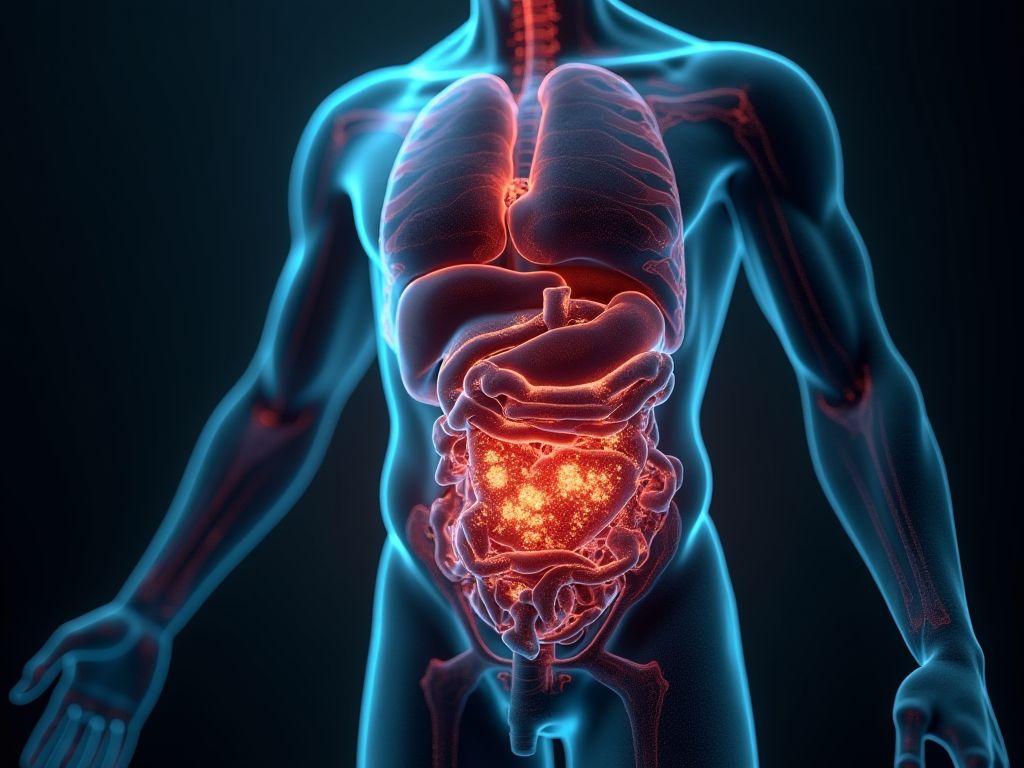
Hidden Health Risks of Fat Loss Resistance: The Role of Toxins
Fat loss resistance—the stubborn difficulty in shedding body fat despite diet and exercise—is often attributed to genetics, metabolism, or lifestyle. However, a growing body of research highlights a less-discussed culprit: environmental toxins. These invisible aggressors, from endocrine disruptors to heavy metals, can silently sabotage weight loss efforts and pose serious long-term health risks. This article explores how toxins contribute to fat loss resistance and the hidden dangers they pose to your body.
1. Endocrine Disruptors: Hormonal Hijackers
Endocrine disruptors, such as bisphenol A (BPA) and phthalates, mimic or interfere with hormones that regulate metabolism, appetite, and fat storage. These chemicals, found in plastics, food packaging, and personal care products, can increase insulin resistance, reduce fat-burning efficiency, and promote fat accumulation. Studies show that exposure to these toxins is linked to higher body mass index (BMI) and increased risk of metabolic disorders.
2. Heavy Metals and Mitochondrial Dysfunction
Heavy metals like lead, mercury, and cadmium impair mitochondrial function, the energy-producing factories within cells. This disruption reduces the body’s ability to burn calories and store fat efficiently. Chronic exposure to these metals, often from contaminated food, water, or occupational hazards, can lead to fatigue, weight gain, and metabolic slowdown.
3. Persistent Organic Pollutants (POPs): The Fat-Soluble Threat
POPs, including polychlorinated biphenyls (PCBs) and dioxins, are fat-soluble toxins that accumulate in adipose tissue. These chemicals not only increase fat storage but also interfere with thyroid hormone function, which is critical for metabolic rate. POPs are found in contaminated fish, meat, and even breast milk, making them a pervasive threat to long-term health.
4. Mycotoxins: Fungal Toxins and Chronic Inflammation
Mycotoxins from mold, such as aflatoxins and ochratoxins, are linked to chronic inflammation and insulin resistance. This inflammation can damage the hypothalamus, the brain region that regulates hunger and satiety, leading to overeating and fat retention. Exposure often occurs through moldy foods or damp living environments.
5. Phthalates: The Hidden Plasticizers
Phthalates, used in plastics, cosmetics, and food packaging, are associated with increased waist circumference and visceral fat. These chemicals interfere with leptin, the hormone that signals fullness, and can disrupt the body’s ability to regulate energy balance. Reducing exposure to phthalate-containing products is a critical step in overcoming fat loss resistance.
6. Bisphenol A (BPA): A Metabolic Saboteur
BPA, commonly found in canned food linings and plastic containers, disrupts estrogen signaling, which plays a role in fat cell development. It also increases abdominal fat and impairs glucose metabolism. Eliminating BPA-containing products and opting for glass or stainless steel alternatives can mitigate these risks.
7. Flame Retardants: Link to Obesity
Flame retardants, such as polybrominated diphenyl ethers (PBDEs), are linked to obesity and metabolic syndrome. These chemicals interfere with thyroid hormones and increase fat cell differentiation. Exposure occurs through furniture, electronics, and even indoor dust, making avoidance challenging but essential.
8. Gut Microbiome Disruption
Toxins like glyphosate (a herbicide) and artificial sweeteners can alter the gut microbiome, reducing the diversity of beneficial bacteria. This imbalance impairs nutrient absorption, promotes inflammation, and increases fat storage. A healthy gut microbiome is crucial for effective fat loss and overall metabolic health.
9. Impaired Detoxification Pathways
Chronic toxin exposure can overwhelm the liver’s detoxification systems, leading to the accumulation of harmful substances in the body. This backlog of toxins further disrupts hormonal balance, increases inflammation, and hinders fat metabolism. Supporting liver function through diet and lifestyle is key to overcoming this hidden barrier.
10. Psychological and Behavioral Impact
Toxins like lead and mercury can affect the brain, leading to mood disorders, anxiety, and depression. These mental health challenges often contribute to poor dietary choices, lack of motivation, and sedentary behavior, creating a vicious cycle that exacerbates fat loss resistance.
Frequently Asked Questions
- What are the most common toxins linked to fat loss resistance?
Common culprits include endocrine disruptors (BPA, phthalates), heavy metals (lead, mercury), persistent organic pollutants (PCBs), and mycotoxins from mold.
- How can I test for toxin exposure?
Comprehensive toxin panels, such as heavy metal tests, hormone panels, and organic acid tests, can identify exposure. Consult a functional medicine practitioner for guidance.
- Are natural detox methods effective?
Supporting the body’s natural detoxification pathways through a nutrient-rich diet, hydration, and supplements like glutathione and milk thistle can aid in toxin elimination.
- Is fat loss resistance reversible with toxin removal?
Yes, reducing toxin exposure can improve metabolic function, hormone balance, and fat-burning capacity over time. However, it requires consistent effort and lifestyle changes.
- How can I prevent toxin exposure in daily life?
Use glass containers, avoid plastic food storage, choose organic produce, filter water, and minimize exposure to mold and industrial chemicals.
Conclusion: Take Control of Your Health
Fat loss resistance is not just a metabolic challenge—it’s a complex interplay of environmental, hormonal, and physiological factors. By addressing toxin exposure through informed lifestyle choices, you can unlock your body’s natural ability to burn fat and improve overall health. Remember, small, consistent changes can lead to significant long-term benefits. Prioritize detoxification, support your body’s systems, and reclaim your health today.
Scientific References & Medical Evidence
- "The Role of Endocrine Disruptors Bisphenols and Phthalates in Obesity: Current Evidence, Perspectives and Controversies." (2024) View study on PubMed.gov →
- "Role of arsenic exposure in adipose tissue dysfunction and its possible implication in diabetes pathophysiology." (2018) View study on PubMed.gov →
CureCurious verifies facts through peer-reviewed research.
You might also like


Recommended for your journey
We've handpicked this top-rated health tool to help you achieve the results discussed in this article.
Check Price on Amazon*As an Amazon Associate, CureCurious.com earns from qualifying purchases. This helps us keep our research free for everyone.

Written by Dr. Sarah Mitchell
Nutrition Expert & MD
"Dr. Sarah Mitchell is a board-certified nutritionist with over 15 years of experience in clinical dietetics. She specializes in metabolic health and gut microbiome research."