Hidden Health Risks Of Neuroinflammation In Modern Diets
Published on December 15, 2025
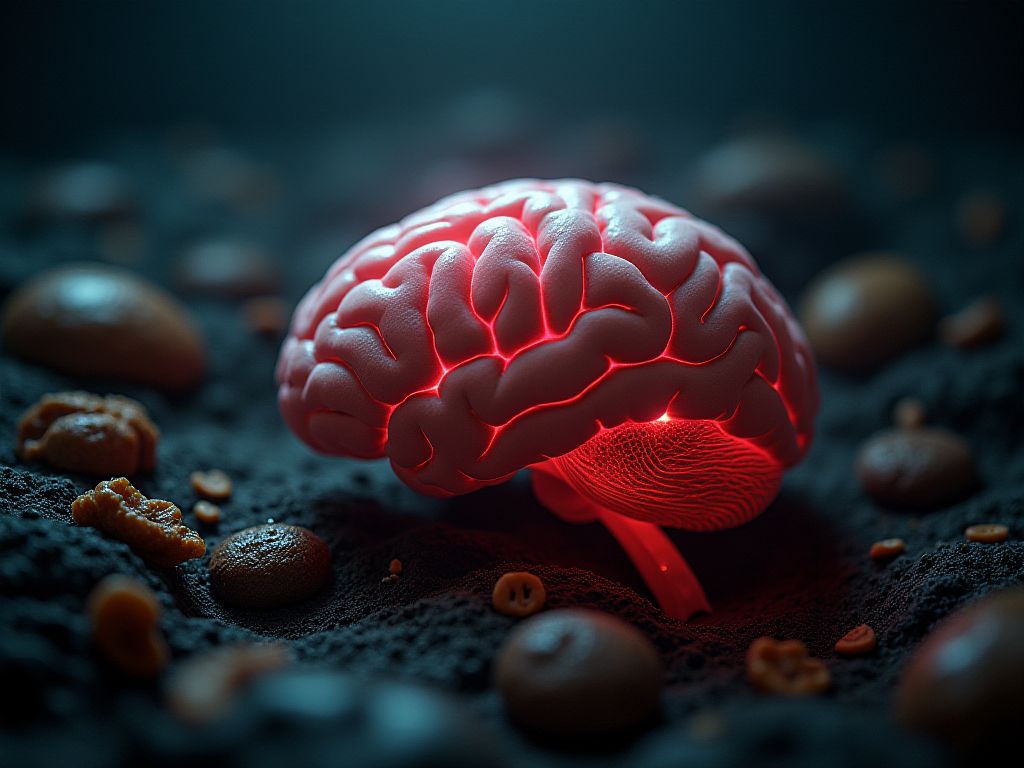
The Hidden Health Risks of Neuroinflammation in Modern Diets
In an era where processed foods dominate supermarket shelves and ultra-processed diets are the norm, a silent but pervasive threat lurks beneath the surface: neuroinflammation. While the term may sound clinical, its implications are deeply personal, linking everything from brain fog to chronic disease. Modern diets—rich in refined sugars, trans fats, and artificial additives—are increasingly recognized as catalysts for systemic inflammation, with the brain being one of the most vulnerable targets. This article delves into the science behind neuroinflammation, its connection to contemporary eating habits, and the hidden health risks that may be silently eroding your well-being.
1. What Is Neuroinflammation?
Neuroinflammation refers to the inflammatory response within the central nervous system, primarily involving microglia and astrocytes—immune cells in the brain. While acute inflammation is a protective mechanism, chronic, low-grade neuroinflammation can disrupt neural communication, damage brain cells, and contribute to neurodegenerative diseases like Alzheimer’s, Parkinson’s, and multiple sclerosis.
2. The Role of Modern Diets in Fueling Neuroinflammation
Modern diets are characterized by high intake of ultra-processed foods, which are engineered to be hyper-palatable and addictive. These foods often contain pro-inflammatory compounds such as advanced glycation end products (AGEs), oxidized lipids, and excessive refined carbohydrates. Studies suggest that such diets promote systemic inflammation, which can cross the blood-brain barrier and trigger neuroinflammatory responses.
3. Processed Foods: A Double-Edged Sword
Ultra-processed foods—think packaged snacks, sugary beverages, and ready-to-eat meals—are laden with additives like emulsifiers, preservatives, and artificial sweeteners. Research published in Cell Metabolism links these additives to gut microbiome disruption, which in turn can exacerbate neuroinflammation. The gut-brain axis, a bidirectional communication network, plays a critical role in this process.
4. The Sugar Connection
Excessive sugar consumption is a major contributor to neuroinflammation. High fructose corn syrup, prevalent in modern diets, has been shown to increase oxidative stress and activate inflammatory pathways in the brain. A 2021 study in Nature Neuroscience found that chronic high-sugar diets correlate with impaired cognitive function and increased amyloid-beta accumulation—a hallmark of Alzheimer’s disease.
5. Trans Fats: The Silent Culprits
Trans fats, commonly found in fried foods and margarine, are notorious for their pro-inflammatory effects. These fats alter cell membrane composition, increase levels of pro-inflammatory cytokines, and impair the brain’s ability to clear toxic proteins. The World Health Organization has classified trans fats as a major public health hazard.
6. Artificial Additives and Neuroinflammation
Additives like monosodium glutamate (MSG), artificial colors, and flavor enhancers are increasingly scrutinized for their role in neuroinflammation. Some studies suggest that these compounds can trigger immune responses in the brain, leading to chronic inflammation. For example, a 2020 study in Environmental Health Perspectives linked artificial food dyes to increased neuroinflammation in animal models.
7. The Gut-Brain Axis: A Vulnerable Link
The gut and brain are in constant dialogue via the gut-brain axis. Modern diets high in processed foods and low in fiber disrupt the gut microbiome, leading to dysbiosis—a state of microbial imbalance. Dysbiosis can increase intestinal permeability ("leaky gut"), allowing inflammatory molecules to enter the bloodstream and reach the brain, fueling neuroinflammation.
8. Hidden Inflammation Markers in Modern Diets
Modern diets often contain hidden inflammation triggers, such as AGEs formed during high-temperature cooking of meats and processed foods. These compounds promote oxidative stress and inflammation. Additionally, diets low in omega-3 fatty acids—a natural anti-inflammatory—exacerbate the problem, as omega-3s are crucial for maintaining brain health.
9. Long-Term Consequences of Chronic Neuroinflammation
Prolonged neuroinflammation is linked to a host of neurological and psychiatric disorders. These include depression, anxiety, autism spectrum disorders, and neurodegenerative diseases. A 2022 review in Frontiers in Immunology highlighted that chronic inflammation is a common denominator in these conditions, underscoring the need for dietary interventions to mitigate risk.
10. Strategies to Combat Neuroinflammation Through Diet
The good news is that dietary changes can significantly reduce neuroinflammation. Emphasizing whole foods, such as leafy greens, berries, fatty fish, and nuts, can provide anti-inflammatory compounds like curcumin, resveratrol, and omega-3s. Limiting processed foods, reducing sugar intake, and incorporating probiotics to support gut health are also critical steps.
Frequently Asked Questions
Q: Can a plant-based diet reduce neuroinflammation?
A: Yes. Plant-based diets rich in antioxidants, polyphenols, and fiber have been shown to reduce systemic and neuroinflammation. However, it’s important to ensure adequate intake of omega-3s, which may require supplementation or consumption of algae-based sources.
Q: Are there specific foods to avoid for brain health?
A: Yes. Foods high in refined sugars, trans fats, and artificial additives should be minimized. Processed meats, fried foods, and sugary beverages are particularly problematic due to their pro-inflammatory properties.
Q: How does sleep affect neuroinflammation?
A: Poor sleep exacerbates neuroinflammation by impairing the brain’s ability to clear waste products like amyloid-beta. Prioritizing 7-9 hours of quality sleep is essential for reducing inflammation and supporting cognitive health.
Q: Can supplements help reduce neuroinflammation?
A: Certain supplements, such as curcumin, omega-3 fatty acids, and vitamin D, have anti-inflammatory properties. However, they should complement—not replace—a balanced diet and healthy lifestyle habits.
Conclusion: Reclaiming Brain Health Through Dietary Awareness
The hidden health risks of neuroinflammation in modern diets are a pressing concern, but they are not insurmountable. By understanding the science and making informed dietary choices, we can take proactive steps to protect our brains and overall health. Prioritizing whole, nutrient-dense foods, reducing reliance on ultra-processed items, and nurturing the gut-brain axis are powerful strategies to combat inflammation and foster long-term well-being. The journey to a healthier brain begins with the choices we make on our plates—today, and every day forward.
Scientific References & Medical Evidence
- "Western diet as a trigger of Alzheimer's disease: From metabolic syndrome and systemic inflammation to neuroinflammation and neurodegeneration." (2021) View study on PubMed.gov →
- "Diet's Role in Modifying Risk of Alzheimer's Disease: History and Present Understanding." (2023) View study on PubMed.gov →
CureCurious verifies facts through peer-reviewed research.
You might also like


Recommended for your journey
We've handpicked this top-rated health tool to help you achieve the results discussed in this article.
Check Price on Amazon*As an Amazon Associate, CureCurious.com earns from qualifying purchases. This helps us keep our research free for everyone.

Written by Dr. Sarah Mitchell
Nutrition Expert & MD
"Dr. Sarah Mitchell is a board-certified nutritionist with over 15 years of experience in clinical dietetics. She specializes in metabolic health and gut microbiome research."