Hidden Health Risks Of Sleep Fragmentation And Binge Drinking In Modern Diets
Published on December 17, 2025
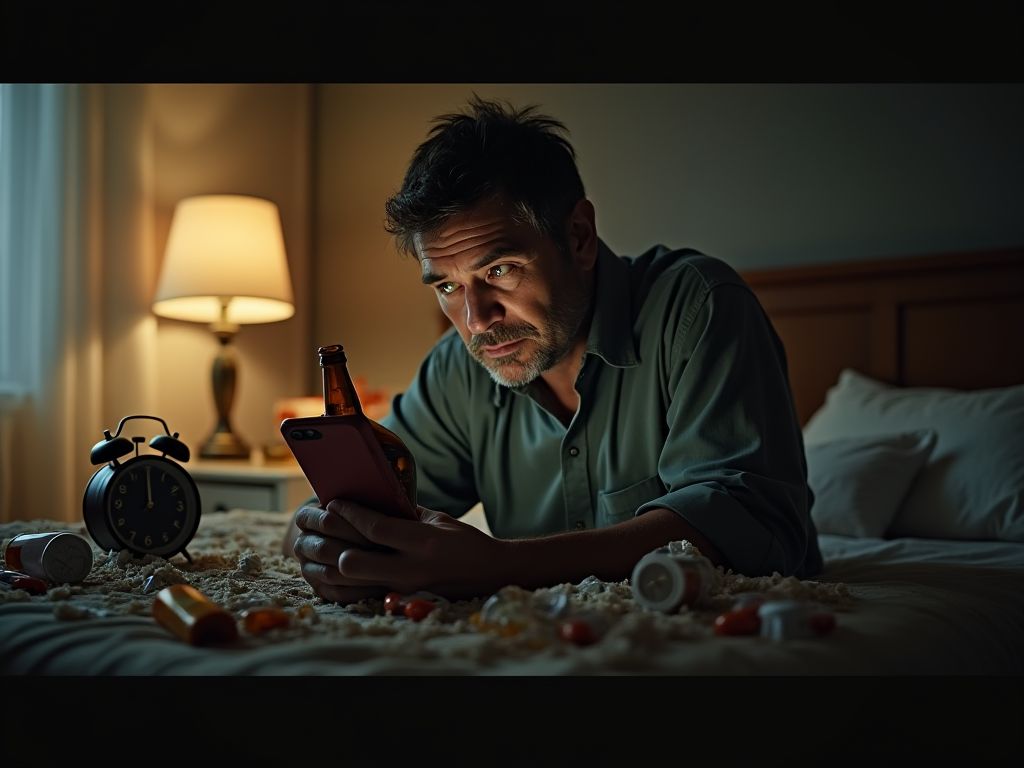
The Silent Disruptors: Sleep Fragmentation and Binge Drinking in Modern Life
Imagine your body as a symphony, each note a heartbeat, a breath, a moment of rest. Now picture this harmony shattered by two unseen forces: sleep fragmentation and binge drinking. These modern culprits, often dismissed as minor inconveniences, quietly unravel the intricate dance of your circadian rhythms, leaving behind a trail of hidden health risks. Let us explore the science beneath the surface.
The Sleep Cycle: A Delicate Balance
Your sleep is not a single event but a series of cycles, each consisting of four stages: light sleep, deep sleep, and two phases of rapid eye movement (REM) sleep. Deep sleep, the body’s repair mode, is where tissues mend, immune cells activate, and memories consolidate. REM sleep, the realm of dreams, is crucial for emotional regulation and cognitive function. When these cycles are fragmented—interrupted by noise, stress, or substances like alcohol—the body’s ability to restore itself falters.
Binge drinking, defined as consuming large amounts of alcohol in a short period, exacerbates this disruption. Alcohol initially induces drowsiness but later suppresses REM sleep and increases the likelihood of waking during the night. Over time, this creates a vicious cycle: poor sleep fuels cravings for alcohol, and alcohol deepens sleep fragmentation, eroding both physical and mental health.
Why We Lose Sleep: The Modern Alchemy of Stress and Excess
Modern life is a pressure cooker of stimuli. Blue light from screens, relentless work demands, and the omnipresence of stress hormones like cortisol all conspire to delay sleep onset and reduce total sleep time. But when combined with binge drinking, the damage is compounded. Alcohol’s depressant effects slow breathing and reduce the body’s ability to regulate temperature, increasing the risk of sleep apnea and shallow breathing.
Studies reveal that even a single episode of binge drinking can alter the brain’s neurotransmitter systems, making it harder to fall asleep and stay asleep. The result? A fragmented sleep architecture that leaves you feeling exhausted, irritable, and prone to chronic conditions like diabetes, cardiovascular disease, and cognitive decline.
“Sleep is the body’s way of saying, ‘I need to heal.’ Binge drinking and fragmentation are the two loudest voices drowning it out.” – Dr. Elena Marquez, Neuroscientist
Environment Setup: Crafting a Sanctuary for Rest
Your bedroom should be a temple of tranquility, not a battleground for sleep. Begin by optimizing light exposure: during the day, let natural light flood your space to reinforce circadian rhythms; at night, eliminate blue light from screens and use warm, dim lighting. Invest in a mattress and pillows that support your body’s natural curves, and maintain a cool temperature (around 65°F or 18°C), as cooler environments promote deeper sleep.
For those who struggle with alcohol’s effects, consider creating a “sleep-first” environment. Store alcohol out of sight and out of reach, and designate your bedroom as a zone for rest only. This simple act can train your brain to associate the space with relaxation, countering the confusion caused by fragmented sleep and substance use.
Bedtime Ritual: The Art of Unwinding
A consistent bedtime ritual is the cornerstone of quality sleep. Begin 90 minutes before bed by dimming lights, sipping herbal tea, and engaging in a calming activity like reading or gentle stretching. Avoid stimulants, including alcohol, which may seem relaxing but ultimately hijacks your brain’s sleep-wake cycle.
Incorporate mindfulness practices such as deep breathing or guided meditation to lower cortisol levels and signal to your body that it’s time to rest. Pair this with a sleep-conducive routine: no screens, no heavy meals, and no caffeine after 6 p.m. By aligning your habits with your circadian clock, you create a buffer against the chaos of modern life—and the hidden dangers it brings.
True rest is not a luxury; it is a biological necessity. By understanding the science of sleep fragmentation and the corrosive effects of binge drinking, you take the first step toward reclaiming your health. The path to restful nights begins with a single, deliberate choice: to prioritize sleep, not as a passive act, but as an active act of self-care.
Scientific References & Medical Evidence
- "Disruption of adolescents' circadian clock: The vicious circle of media use, exposure to light at night, sleep loss and risk behaviors." (2016) View study on PubMed.gov →
- "Alcohol disrupts sleep homeostasis." (2015) View study on PubMed.gov →
CureCurious verifies facts through peer-reviewed research.
You might also like


Recommended for your journey
We've handpicked this top-rated health tool to help you achieve the results discussed in this article.
Check Price on Amazon*As an Amazon Associate, CureCurious.com earns from qualifying purchases. This helps us keep our research free for everyone.

Written by Marcus Thorne
Sleep Hygiene Specialist
"Marcus helps people overcome insomnia and optimize their circadian rhythms. He believes that deep sleep is the foundation of all health."